Time Travel

Overview

The prospect of revisiting the past or jumping to the future has captured people's imaginations for centuries. Our contemporary understanding of time travel is a marriage of theoretical physics and science fiction.

1440 Findings

Hours of research by our editors, distilled into minutes of clarity.

  • The earliest mention of time travel

    Time travel has fascinated humans for centuries. It appears in myths, literature, and science fiction. One of the earliest examples comes from the 400 BCE Hindu epic Mahabharata, describing time dilation long before Einstein’s Theory of Relativity. By the 19th century, stories introduced machines enabling time travel—setting the stage for modern sci-fi.

    Video 1440 Original

    The earliest mention of time travel

  • Is time travel really possible?

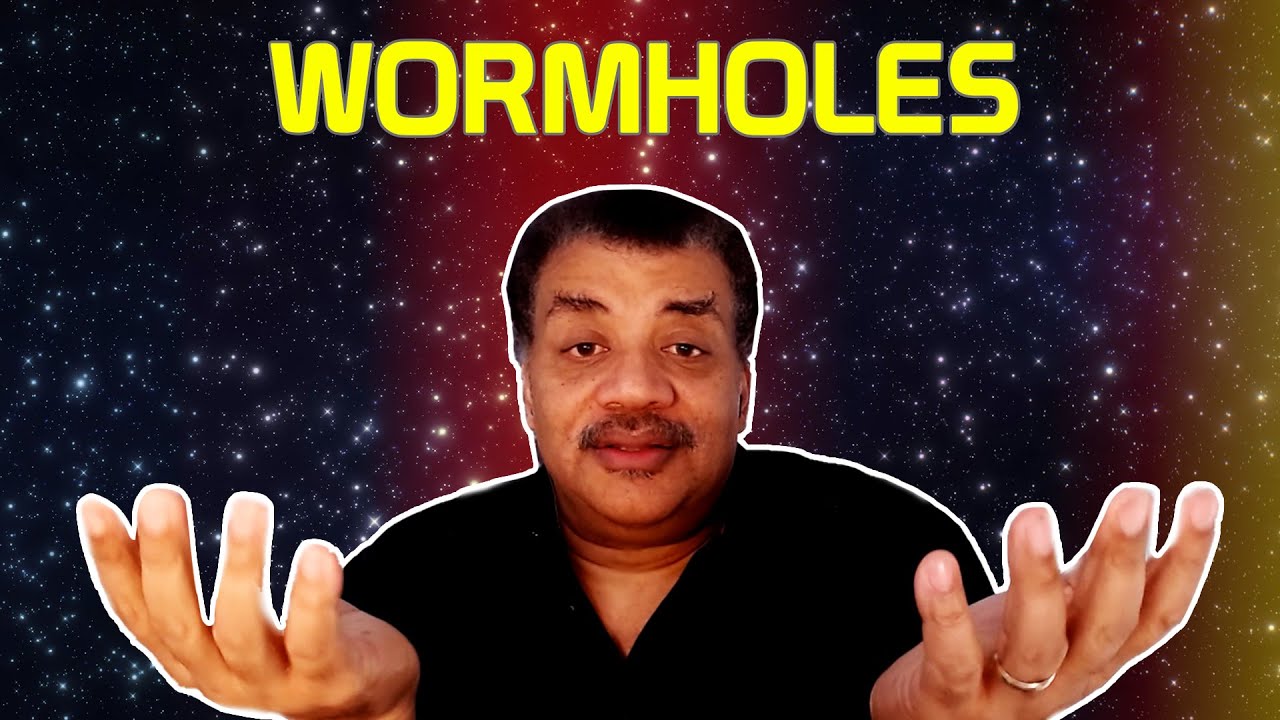
    The laws of physics, as currently understood, don’t categorically reject the possibility of time travel. But, scientists are skeptical, especially when it comes to traveling to the past. Hopping between past, present and future would require the world to have some wacky yet-to-be-discovered physical properties like negative mass, negative energy, and infinite density. Time travel also introduces philosophical questions about free will, causality, and chronology.

  • The James Webb Space Telescope is like a time machine

    When you look up at a constellation with your naked eye, you’re looking thousands of years into the past. The stars are so far away that it takes their light that long to reach us. Today’s most powerful telescopes, such as the James Webb Space Telescope, can see billions of years into the past. So, as this article suggests, looking through a telescope (or even up at the stars with your own eye) could be considered a form of time travel.

  • Five potential ways to achieve time travel

    While the author discounts the possibility of traveling to the past, it lays out five hypothetical modes of catapulting into the future: speed, gravity, suspended animation, wormholes, and light. Each has some scientific basis, but none are realistic for humans. Read the article to learn where they offer promise and where they fall short.

  • A scientific analysis of famous time travel stories

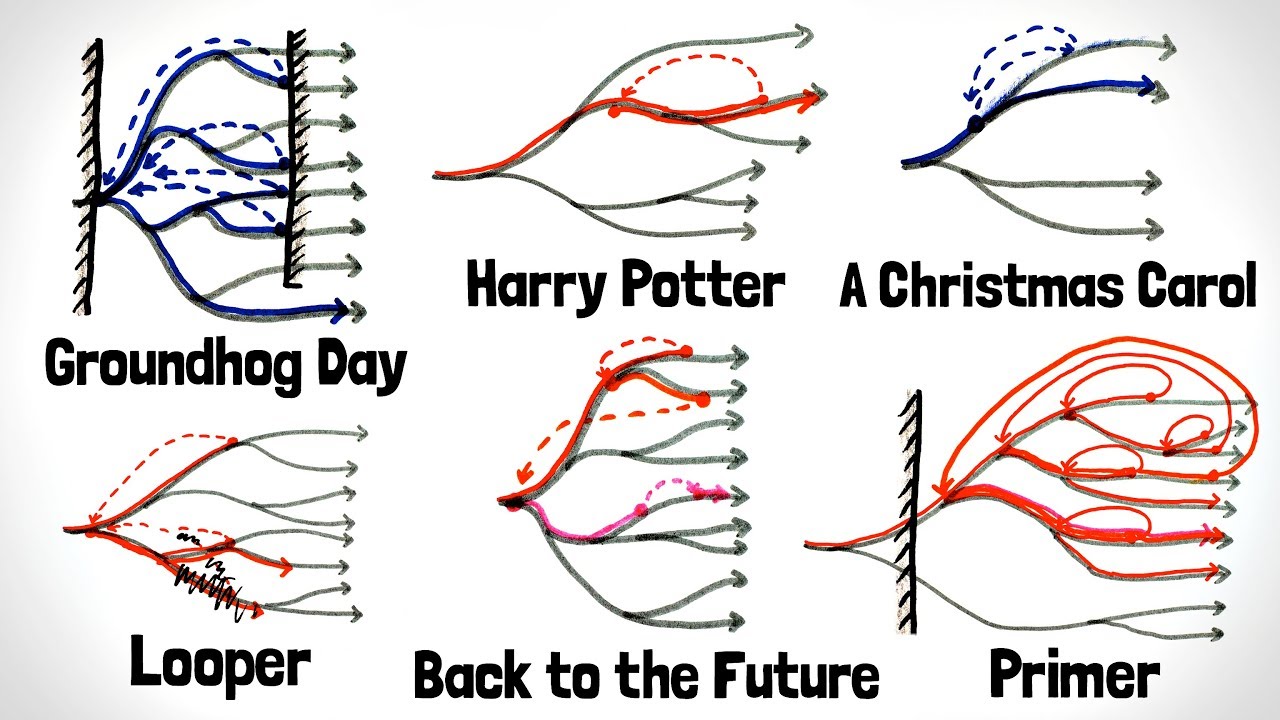
    This 8-minute video explores how time travel influences the narrative arc of several movies, books and video games, from Harry Potter to A Christmas Carol. (Warning: it contains spoilers!) J.K. Rowling and Charles Dickens set myriad parameters as they’re worldbuilding to avoid paradoxes and create quasi-logical timelines. By drawing diagrams as he’s speaking, the video breaks down how time works in some of popular culture’s most beloved fictional universes.

    Video

    A scientific analysis of famous time travel stories

  • Potential solutions to the grandfather paradox

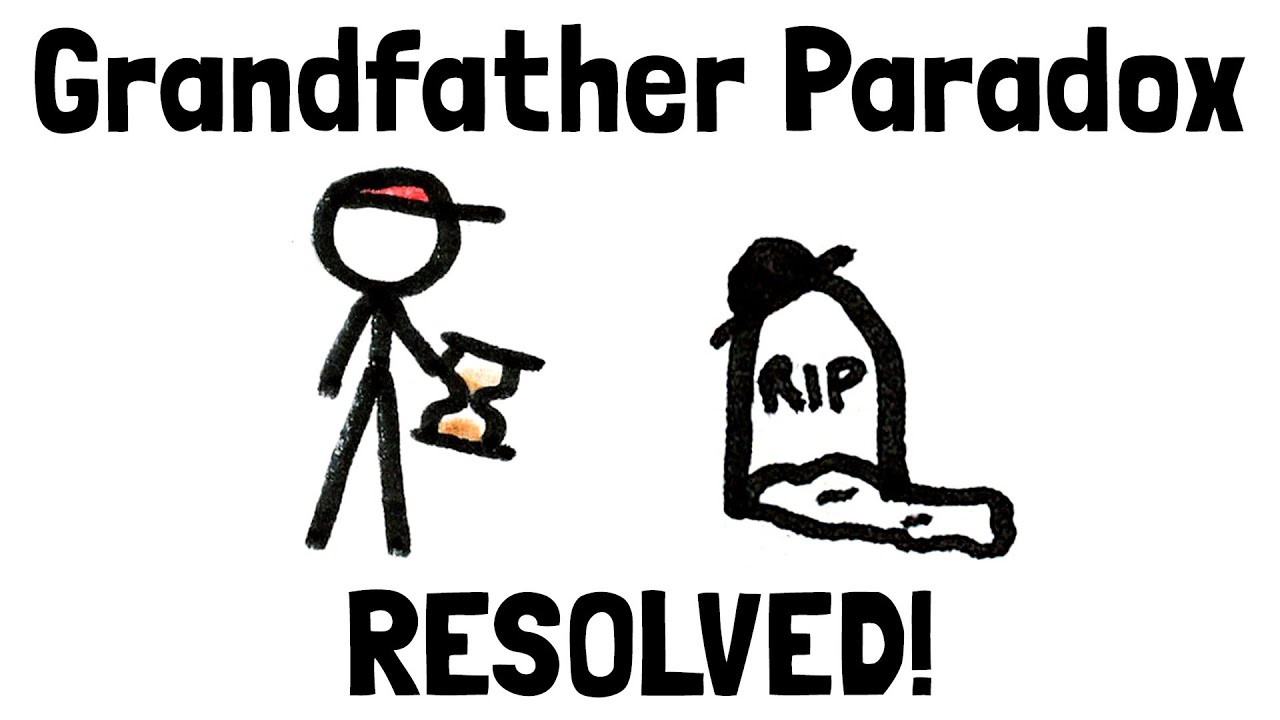
    This grandfather paradox – the notion that changing the past may alter the present conditions that motivated the time traveler in the first place – instills doubt in time travel. But, as this video explains, subatomic particles regularly do different things in parallel. So, what if the universe exists in two states: one where your grandfather is alive and another where he’s dead? Intrigued? Confused? Let the animations in this 2-minute video help you wrap your mind around the possibility.

    Video

    Potential solutions to the grandfather paradox

Next page

Explore Human Interest

View All Human Interest