Supreme Court of the United States
Overview
The Supreme Court of the United States is the highest authority in the country's judicial system. The court's primary role is to interpret the US Constitution and ensure laws and policies align with the nation's founding legal document. It also resolves legal disputes involving the federal government's authority and serves as the final appellate body, hearing appeals from lower federal and state courts.
The US Constitution established an independent judiciary in Article III, though most details were left undefined. The Judiciary Act of 1789 structured the federal judiciary, setting the Supreme Court at six justices. The court remained relatively weak until Chief Justice John Marshall established judicial review in Marbury v. Madison, asserting the court's authority to invalidate acts of Congress that conflict with the Constitution and cementing the court's status as a coequal branch of government.
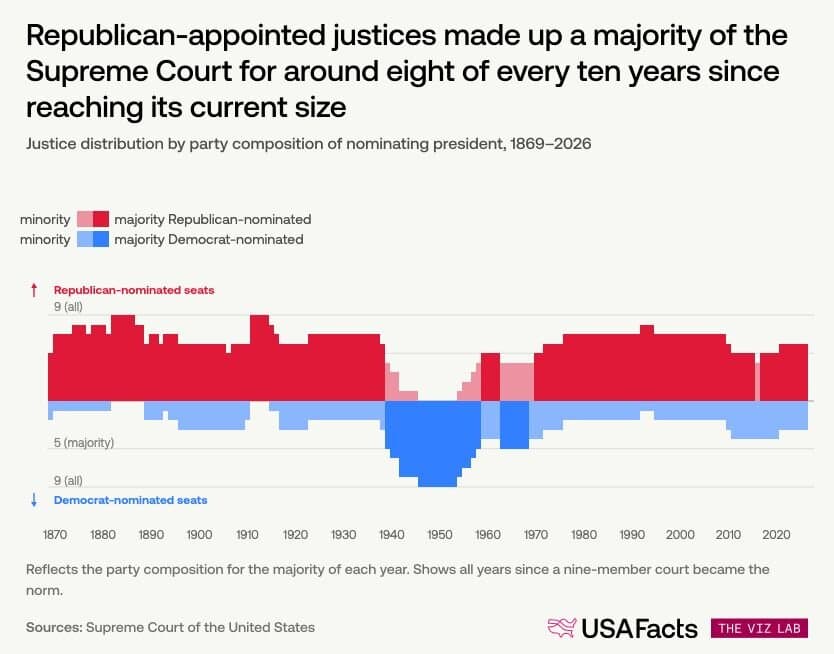
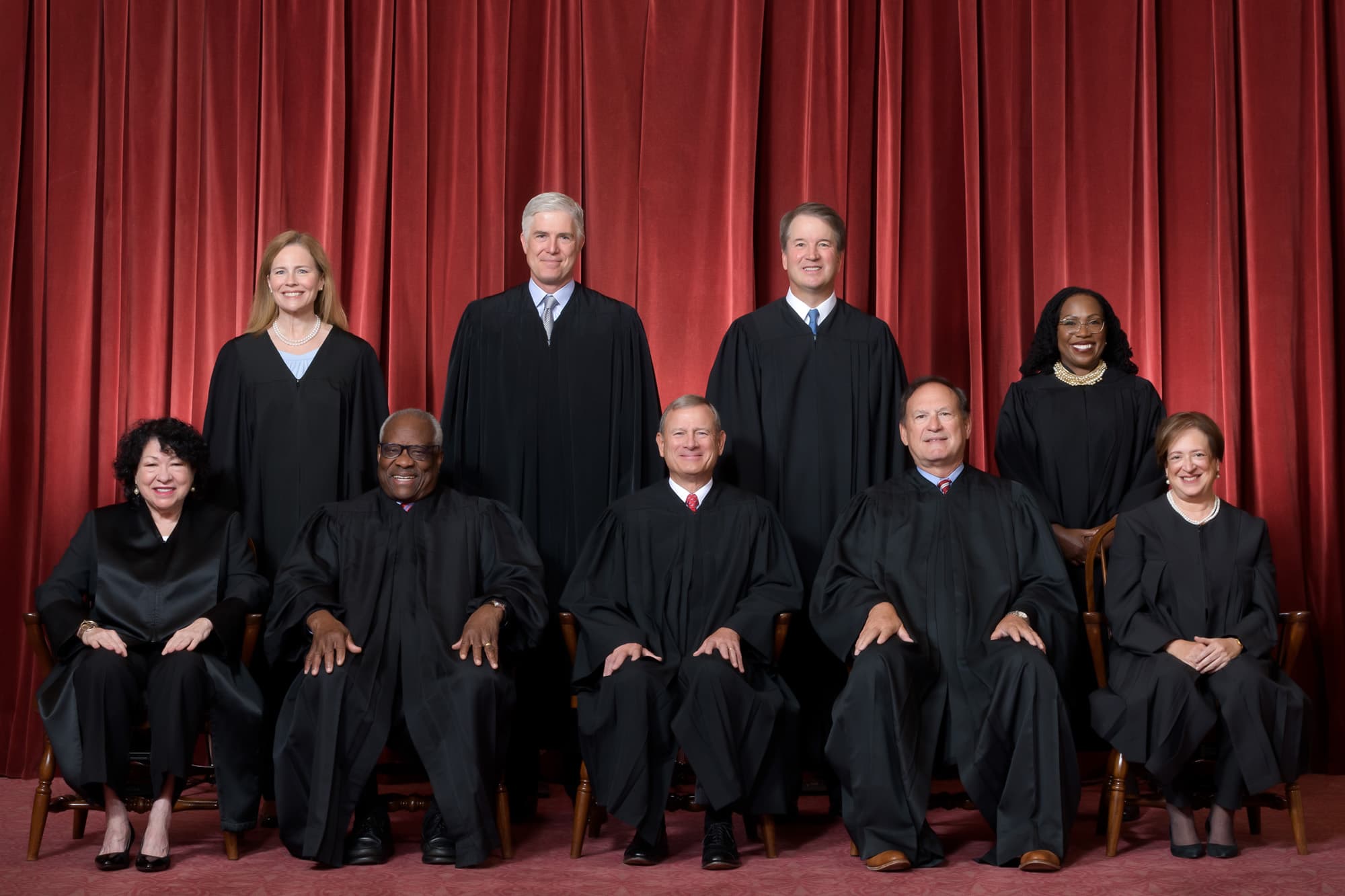
Today, the court has nine justices with life appointments—though the number can be changed through a simple act of Congress. While it hears only a small fraction of cases, its rulings shape American life through decisions on civil rights, federal power, elections, economic and environmental regulation, criminal justice, and deeply contested social issues.
1440 Findings
Hours of research by our editors, distilled into minutes of clarity.



Explore Civics
An informed citizenry is the backbone and bulwark of a vibrant democracy. From the principles behind the founding of the country to the forces that shaped our modern institutions, explore the most illuminating and insightful Civics resources from across the internet.