Lewis and Clark Expedition
Overview
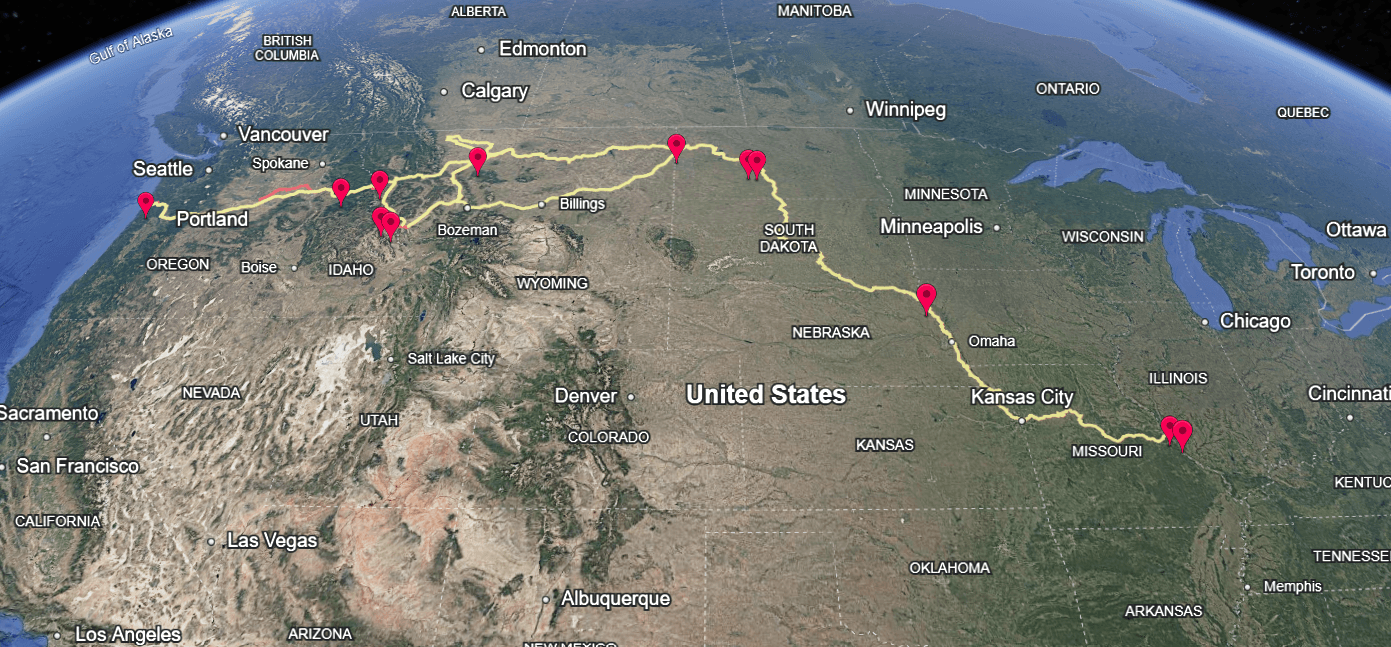
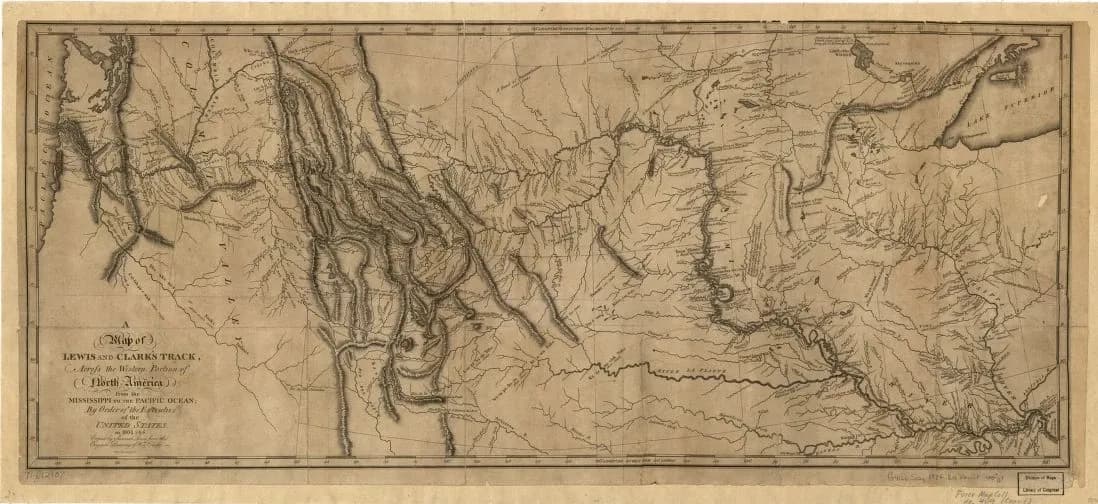
The Lewis and Clark expedition was the first official US-sponsored land survey to reach the Pacific overland, commissioned by President Thomas Jefferson after the Louisiana Purchase expanded US land to include the region from the Mississippi to the Rockies. The journey aimed to map the new territory, discover a navigable water route (with portages) from the Mississippi River to the Pacific Ocean, and establish diplomatic and trade ties with Native tribes.
Lasting from May 1804 to September 1806, the journey was headed by Jefferson's personal secretary and Army officer Meriwether Lewis and experienced frontiersman William Clark alongside 31 other members of the so-called Corps of Discovery. Starting from St. Louis in May 1804, the group covered 8,000 miles in two years, returning east by late 1806.
The expedition cataloged 240 plant species (178 of which were new to western science), including the future state flowers of Oregon, Idaho, and Montana, and described 122 new animal species, including the grizzly bear and prairie dog. Lewis and Clark's mapping and climate observations provided the first detailed geographic and meteorological records of the Western territories.
1440 Findings
Hours of research by our editors, distilled into minutes of clarity.



Explore Civics
An informed citizenry is the backbone and bulwark of a vibrant democracy. From the principles behind the founding of the country to the forces that shaped our modern institutions, explore the most illuminating and insightful Civics resources from across the internet.