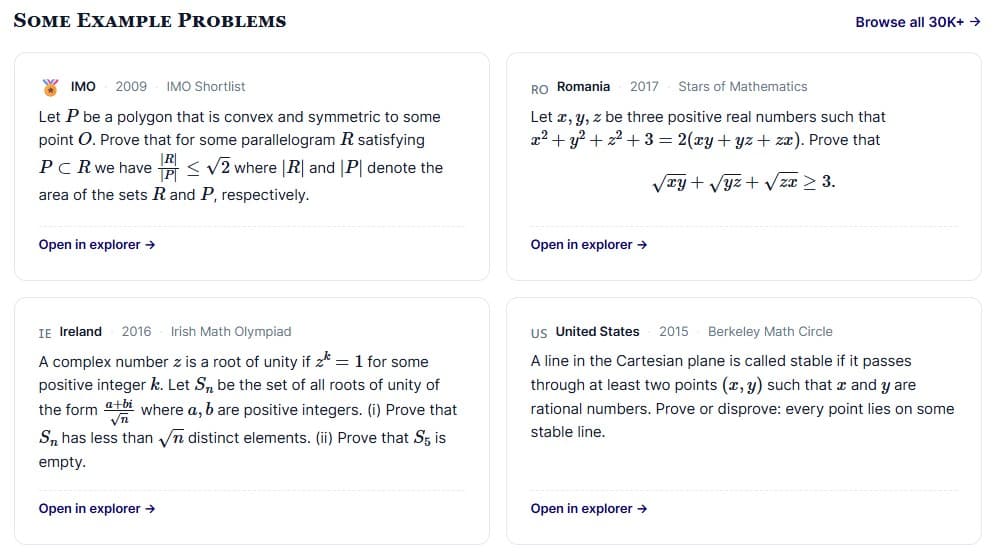
Posted by Marco Daniel MachadoApr 29Explore over 30,000 Olympiad-level math problems from around the world.Show 2 more findings ZoomMathNet — Explore 30,000+ Olympiad Math ProblemsMathNethttps://mathnet.mit.edu/index.html
Posted by Marco Daniel MachadoJul 16In 2000, the Clay Mathematics Institute placed million-dollar bounties on seven unsolved problems in mathematics—the Millennium Prize Problems—in the hopes of spurring solutions.Show 4 more findings 15:05Millennium Problems: Math’s Million Dollar BountiesSideprojectshttps://www.youtube.com/watch?v=I4SlNJnBLG4
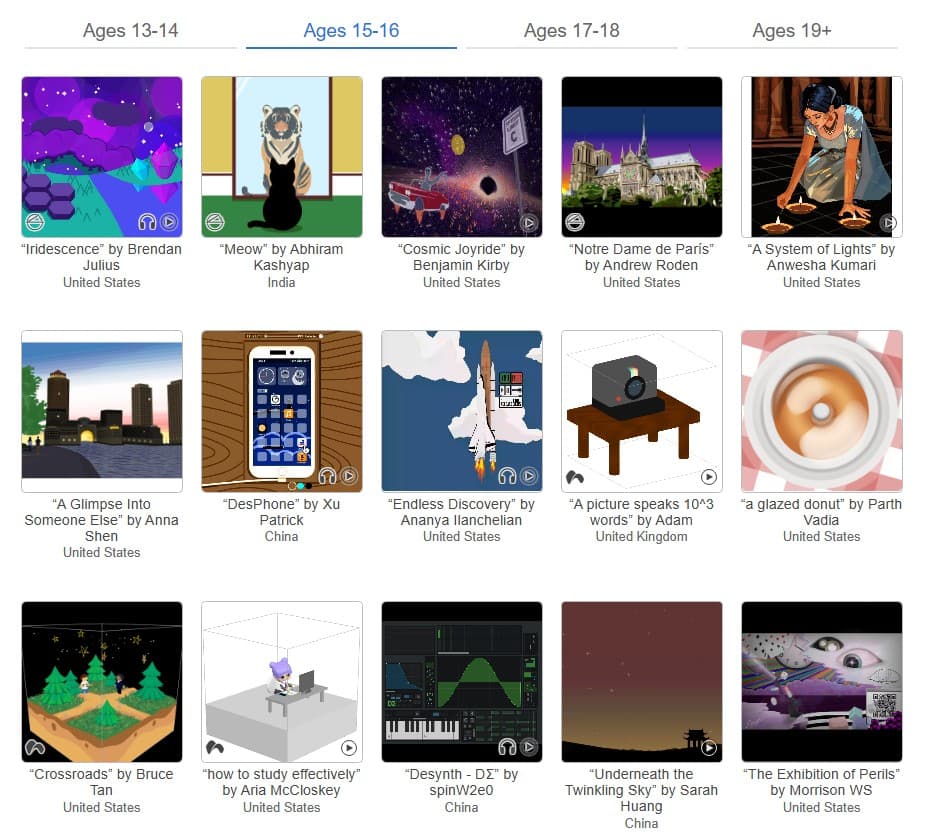
Posted by Marco Daniel MachadoAug 25Explore galleries of featured submissions from the Desmos Art Contest—a yearly competition where students from around the world submit original work made with graphing calculator tools. ZoomDesmos | Art ContestDesmoshttps://www.desmos.com/art
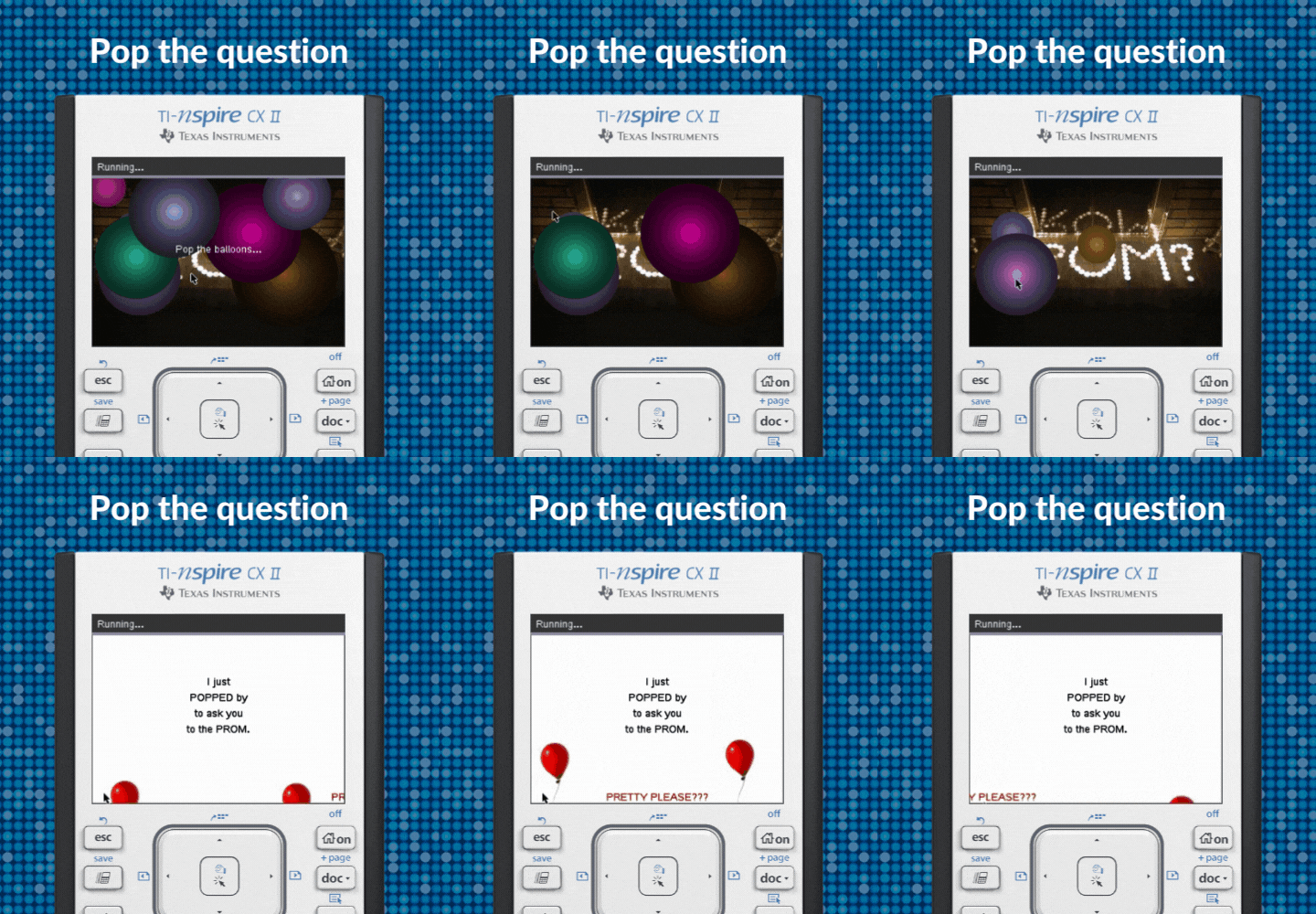
Posted by Marco Daniel MachadoAug 25View a library of custom programs that can be loaded onto graphing calculators, including productivity tools, reference materials, games, and interactive applications, such as prom proposals. ZoomStatistics and Toplists - ticalc.orgTicalc.orghttps://ticalc.org/archives/files/stats.html
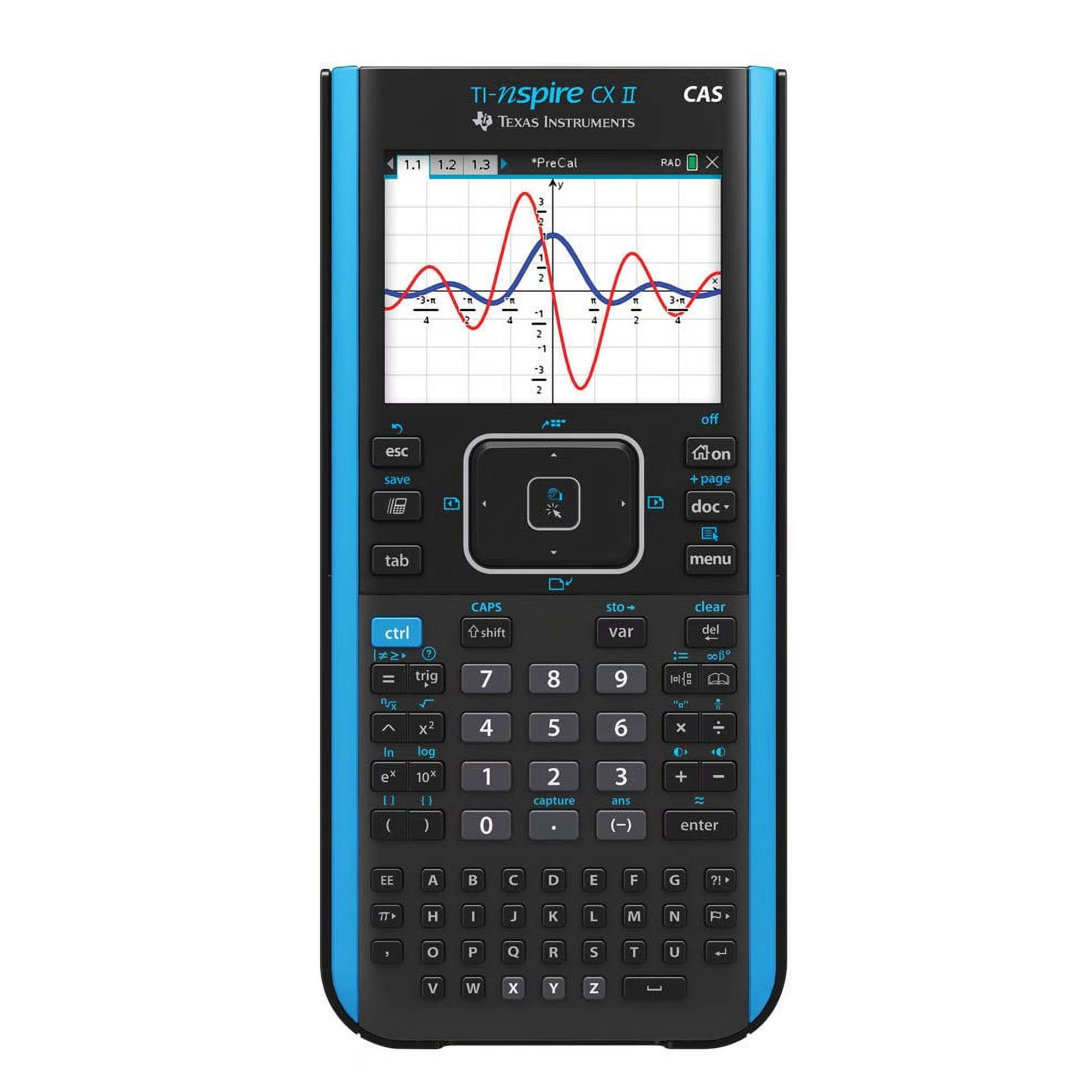
Posted by Marco Daniel MachadoAug 25As of 2025, the College Board has banned the use of calculators with computer algebra systems on the SAT and PSAT.Show 2 more findings ZoomCollege Board Bans CAS Calculators on the SAT - Private PrepPrivate Prephttps://privateprep.com/blog/sat-test/cas-calculators-prohibited-sat/
Posted by Teddy BurkhardtOct 30, 2025Mathematicians often solve problems using wordless mental processesIt's a common technique among expert mathematicians, where thinkers rely on intuition, blurry perceptions and subconscious work—no writing, no formulas. The state is distinct from daydreaming, and often relies on sudden illuminations stemming from extended periods of subconscious reflection.When is better to think without words?https://www.henrikkarlsson.xyz/p/wordless-thought
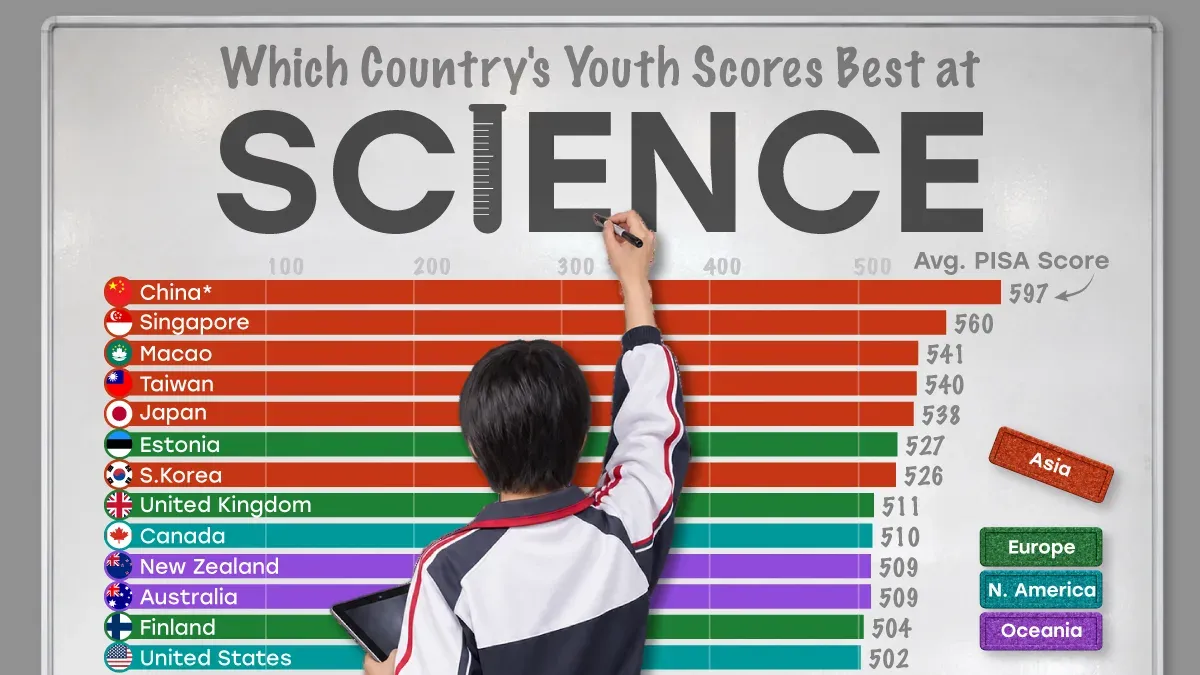
Posted by Meher QazilbashMay 15The US lags behind other developed countries in math and science scoresThe Programme for International Student Assessment, administered every three years by the OECD to 15-year-olds, scores US students below the OECD average in math (465 vs. 472) and only slightly above average in science (499 vs. 485). These figures place US pupils in the lower half of developed nations.PISA Scores by Country 2025World Population Reviewhttps://worldpopulationreview.com/country-rankings/pisa-scores-by-country
Posted by Marco Daniel MachadoMar 31How a competition honoring a king's birthday uncovered history's first chaotic systemA committee established a contest for King Oscar II's 60th birthday, featuring four unsolved problems in mathematics, including one on proving the stability of a system of more than two objects held together by gravity. Focusing on three celestial objects, Henri Poincaré won the prize for his proof, which he later learned was incorrect and, upon correcting it, instead proved these systems to be unstable.The Royal Swedish Academy of Scienceshttps://www.mittag-leffler.se/about-us/history/prize-competition/
Posted by Teddy BurkhardtApr 23, 2023How the number 15 solved a longstanding math challengeThe “packing coloring” problem asks how many numbers are needed to fill an infinite grid so that identical numbers never get too close to one another. A new computer-assisted proof finds a surprisingly straightforward answer—only 15. While... ZoomThe Number 15 Describes the Secret Limit of an Infinite Grid | Quanta MagazineQuanta Magazinehttps://www.quantamagazine.org/the-number-15-describes-the-secret-limit-of-an-infinite-grid-20230420/
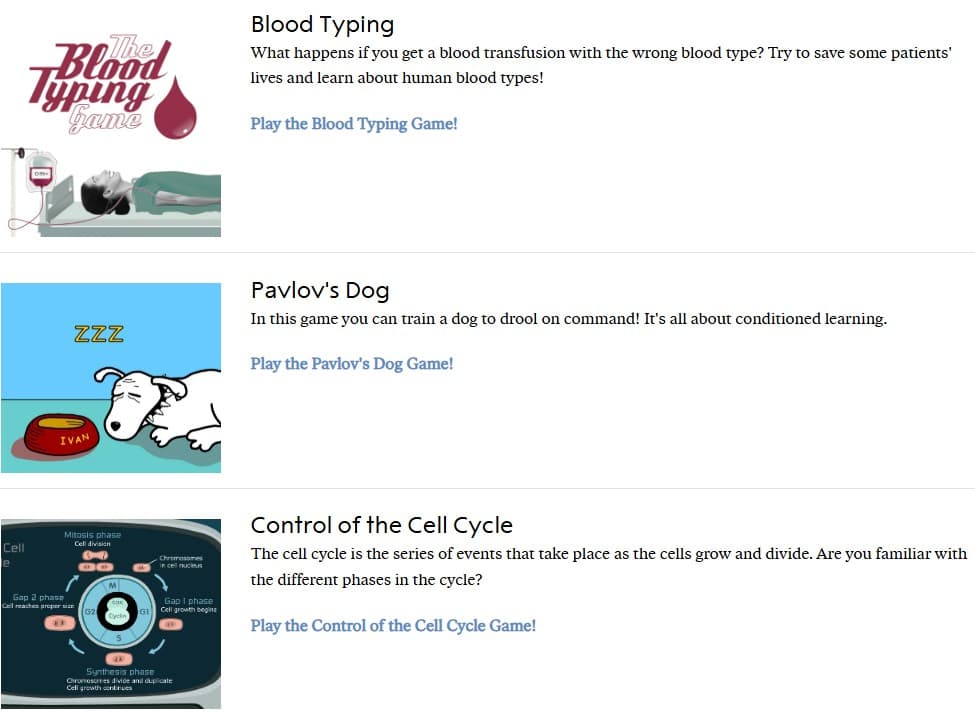
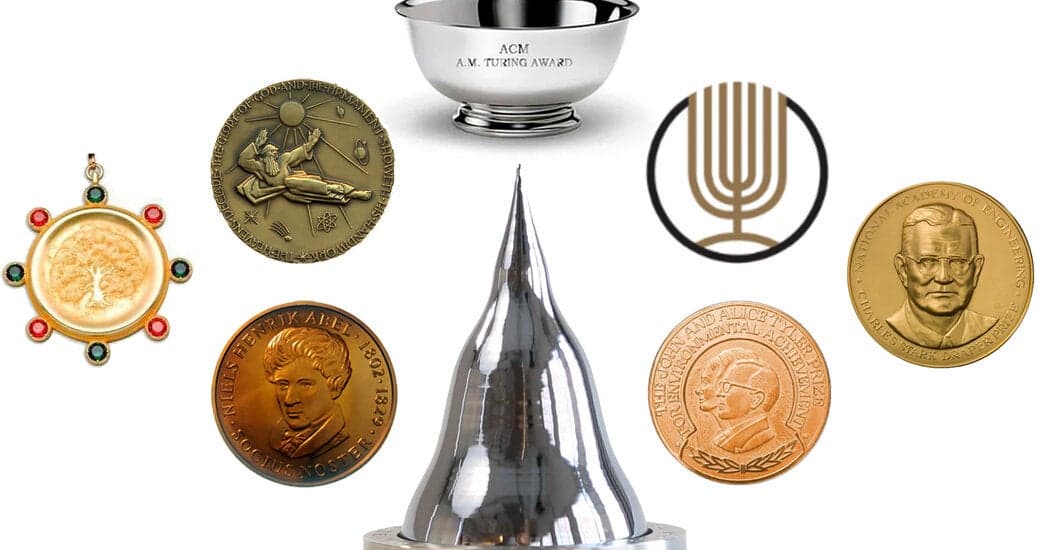
Posted by Drew SteigerwaldAug 6, 2024Experience games that explore Nobel Prize-winning workInspired by the educators who set laureates on their path, the Nobel Foundation has created a library of interactive activities for the general public. These allow users to make groundbreaking discoveries, showing that such work is accessible to all. Zoomhttps://www.nobelprize.org/educational/
Posted by Teddy BurkhardtOct 13, 2021One reason Americans are bad at mathThe president of Barnard College explains why we need to better understand the links between math anxiety, math avoidance, and the US’s dismal test scores. ZoomAmericans get in their own way of being good at mathQuartzhttps://qz.com/1798617/why-americans-are-bad-at-math/
Posted by Drew SteigerwaldFeb 10The all-time list of every modern Olympic sportCurious about which sports were played at the 1894 Olympics? Want to learn the rules of Breaking? This list gives a comprehensive overview of every Olympic sport ever played, sortable by game type and specific Olympic year. Click into a sport to see a brief overview, a list of rules, and an explainer video. Zoomhttps://olympics.com/en/sports/
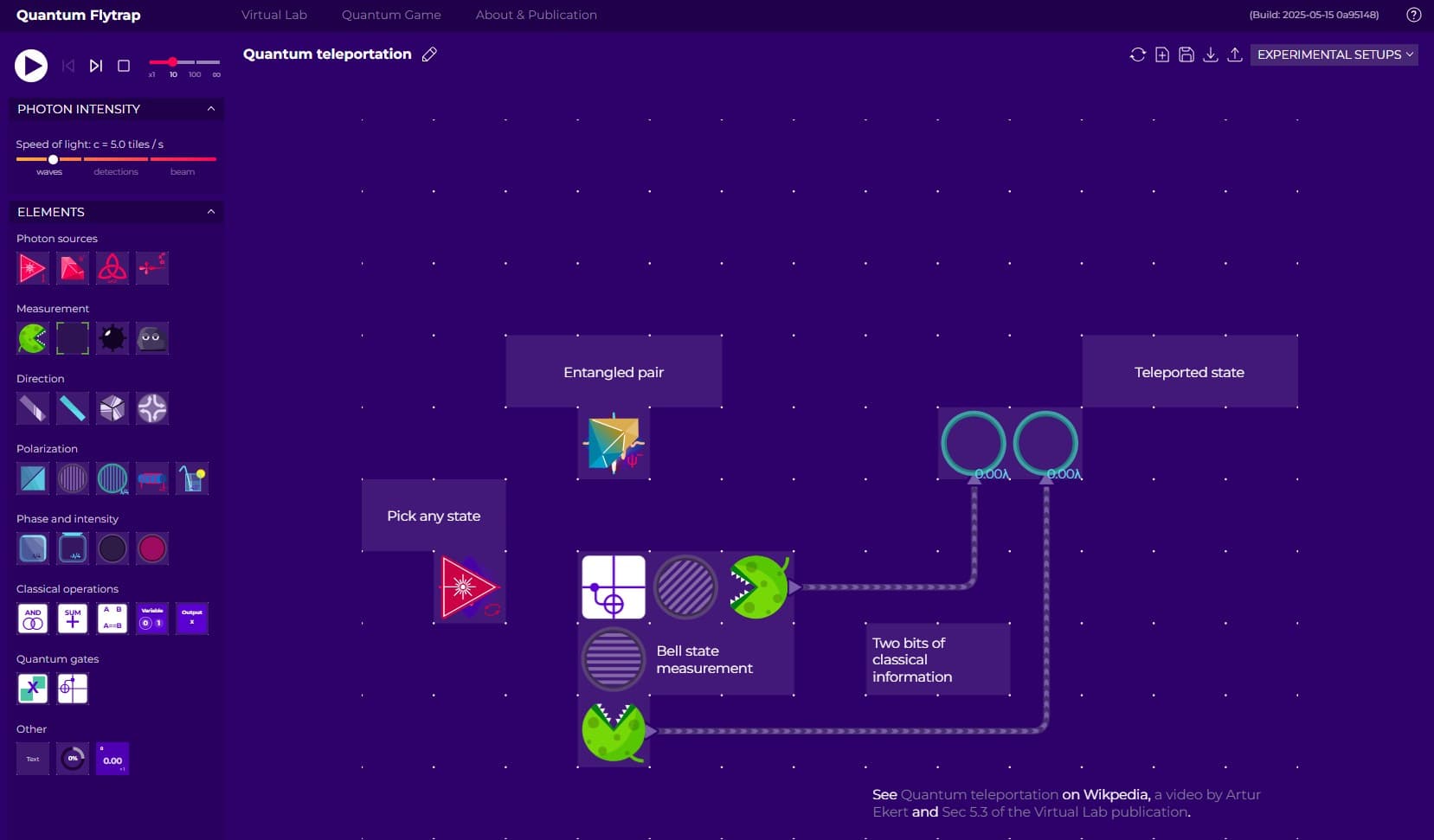
Posted by Marco Daniel MachadoAug 11Explore an optical table to create quantum physics experimentsThis interactive teaches users to create quantum experiments through lessons resembling video game levels. Users can also use the virtual lab to visualize landmark quantum experiments like entanglement, teleportation, cryptography, and quantum computing, or create their own experiments with drag-and-drop elements. ZoomVirtual Lab - Quantum FlytrapQuantum Flytraphttps://lab.quantumflytrap.com/
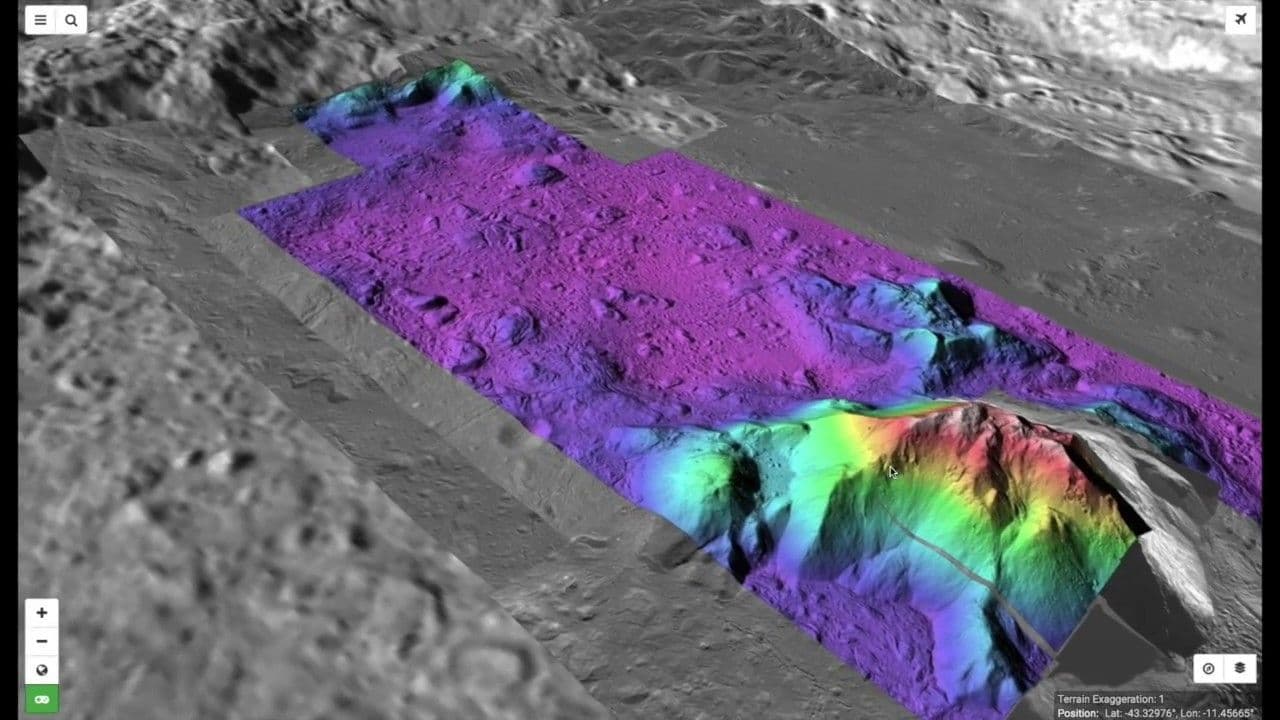
Posted by Meher QazilbashAug 5Explore a collection of moon interactives from NASA, including a 3D lunar surface explorer, a tool for classifying moon rocks, and an interactive map for observing the moon each day of the year.Show 5 more findings ZoomMoon Interactives - NASA ScienceNASAhttps://science.nasa.gov/moon/interactives/
Posted by Marco Daniel MachadoJun 1An overview of 12 fundamental types of algorithms and the uses for eachThese include search algorithms to quickly process and find important information, cryptographic algorithms to secure communications, randomized algorithms—such as Monte Carlo simulations for estimating probabilities of outcomes—and greedy algorithms, which make optimal choices based on available data in a step-by-step fashion, as seen in navigation apps. ZoomPost | LinkedInLinkedInhttps://www.linkedin.com/posts/brijpandeyji_the-power-of-algorithms-your-essential-guide-activity-7267137553105883136-js0S/
Posted by Marco Daniel MachadoJun 18The Ocean Observatories Initiative aims to provide freely accessible, real-time ocean data for up to 30 years to help scientists identify and analyze short- and long-term ocean processes.Show 3 more findings 9:18A Window into the Changing PlanetOcean Observatories Initiativehttps://www.youtube.com/watch?v=V403kH2j3Rk
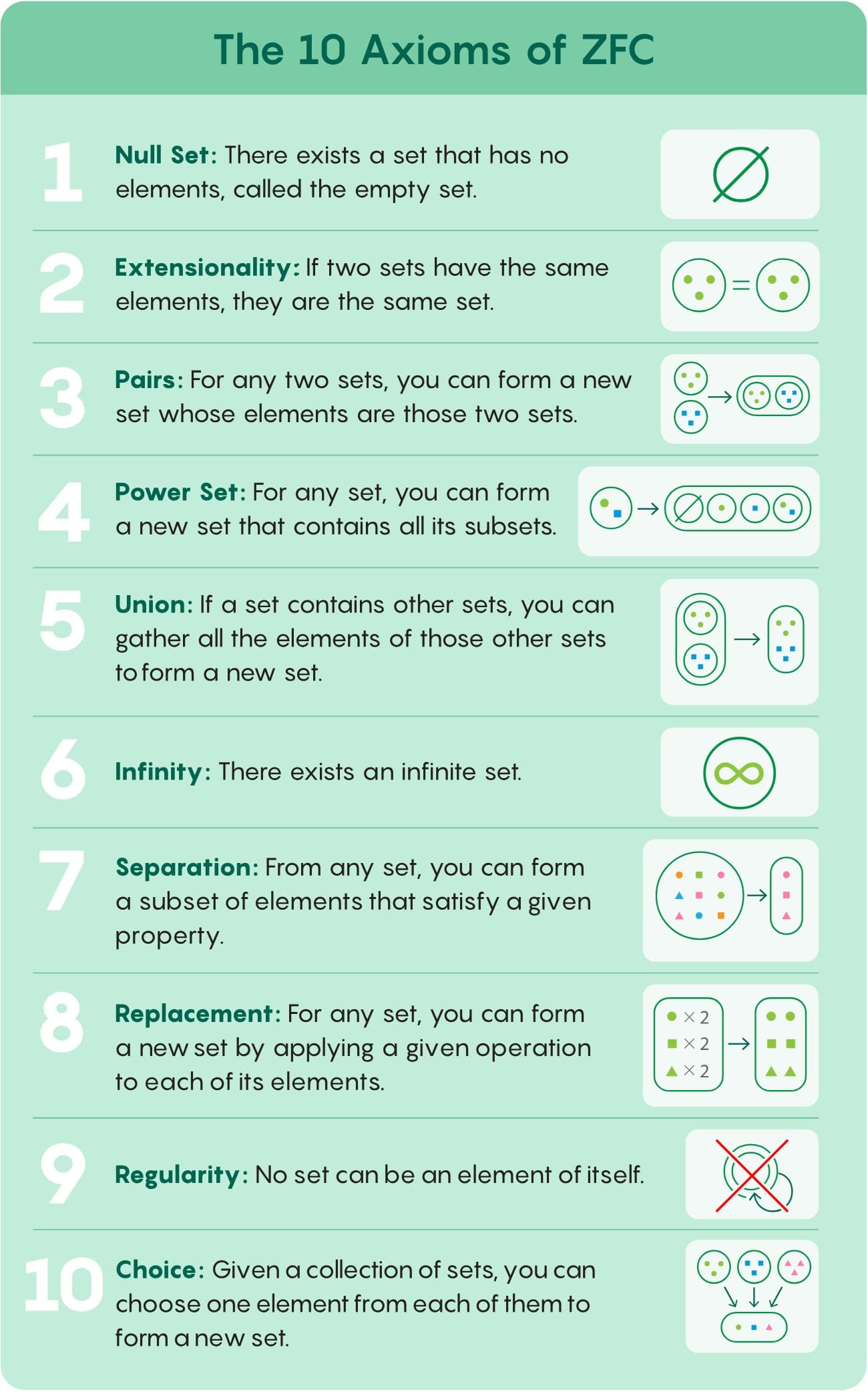
Posted by Marco Daniel MachadoMay 21The history of the 10 axioms of Zermelo–Fraenkel set theory with choice, regarded as the most universal foundations of mathLike postulates in geometry—accepted truths that form the logical building blocks for formal proofs of more complex theorems—axioms cannot be proven, but set the underlying logic and rules for systems. The ZFC axioms resulted from painstaking work to identify the underlying rules of mathematics and are built on the premise of sets, or well-defined collections of elements. ZoomWhy Math’s Final Axiom Proved So Controversial | Quanta MagazineQuanta Magazinehttps://www.quantamagazine.org/why-maths-final-axiom-proved-so-controversial-20260429/
Posted by Meher QazilbashJul 20This interactive website features nearly 40,000 photos from Wikipedia for you to create visual mosaics with.Show 1 more finding ZoomWiki SpyNeal Agarwalhttps://neal.fun/wiki-spy/?user_id=670e8b431a504235140b04ed
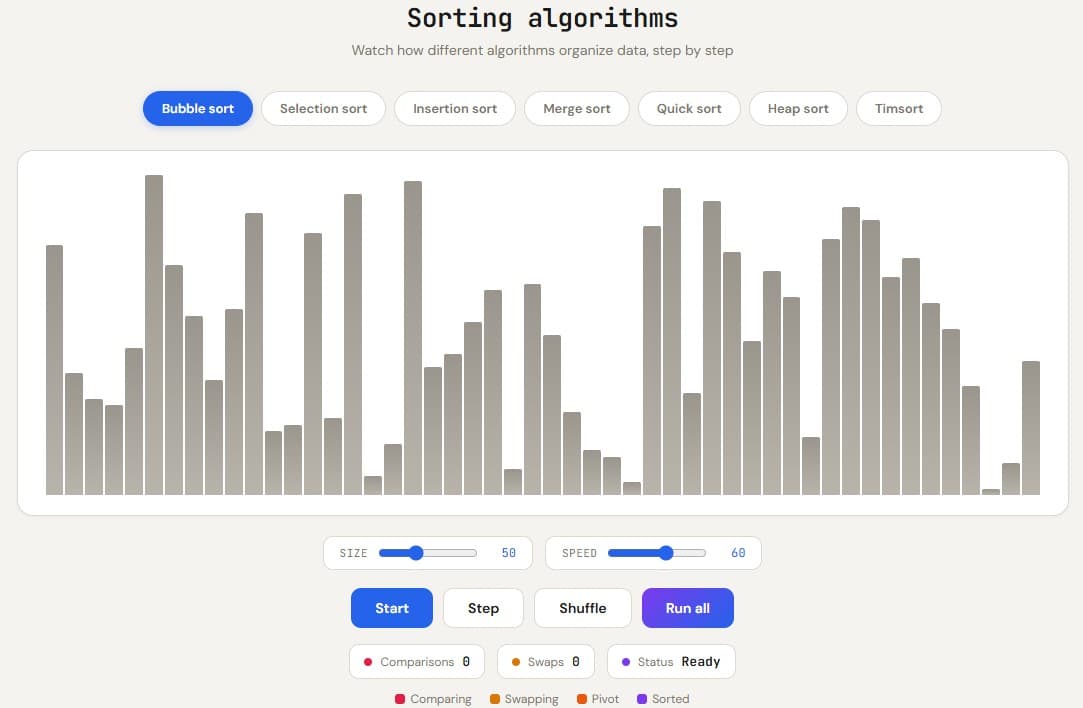
Posted by Marco Daniel MachadoJun 1Visualize how data becomes organized through a variety of sorting algorithmsThis interactive shows how different algorithms shift elements in a randomized set to order them from smallest to largest. By comparing the different procedures and their corresponding functions, users can explore how runtimes vary across algorithms that complete the same task. ZoomSorting algorithmsSimon Willison's Toolshttps://tools.simonwillison.net/sort-algorithms
Posted by Teddy BurkhardtJun 8, 2023The most bizarre numbers in the universeEven for math-y types, some numbers are incomprehensible. This article dives into several kinds of numbers more complicated than even irrational numbers with endless decimals like "pi" or Euler's number: Noncomputable numbers. Read the bizarre... ZoomThese Are the Most Bizarre Numbers in the UniverseThe Guardianhttps://www.scientificamerican.com/article/these-are-the-most-bizarre-numbers-in-the-universe/
Posted by Teddy BurkhardtOct 16, 2025Bad Ancient: a site to fact-check claims about the ancient worldPeruse popular questions about ancient Rome, Egypt, Greece, and more, from whether Greek boxers were ripped or to what extent Alexander the Great conquered the world.Bad Ancienthttps://www.badancient.com/
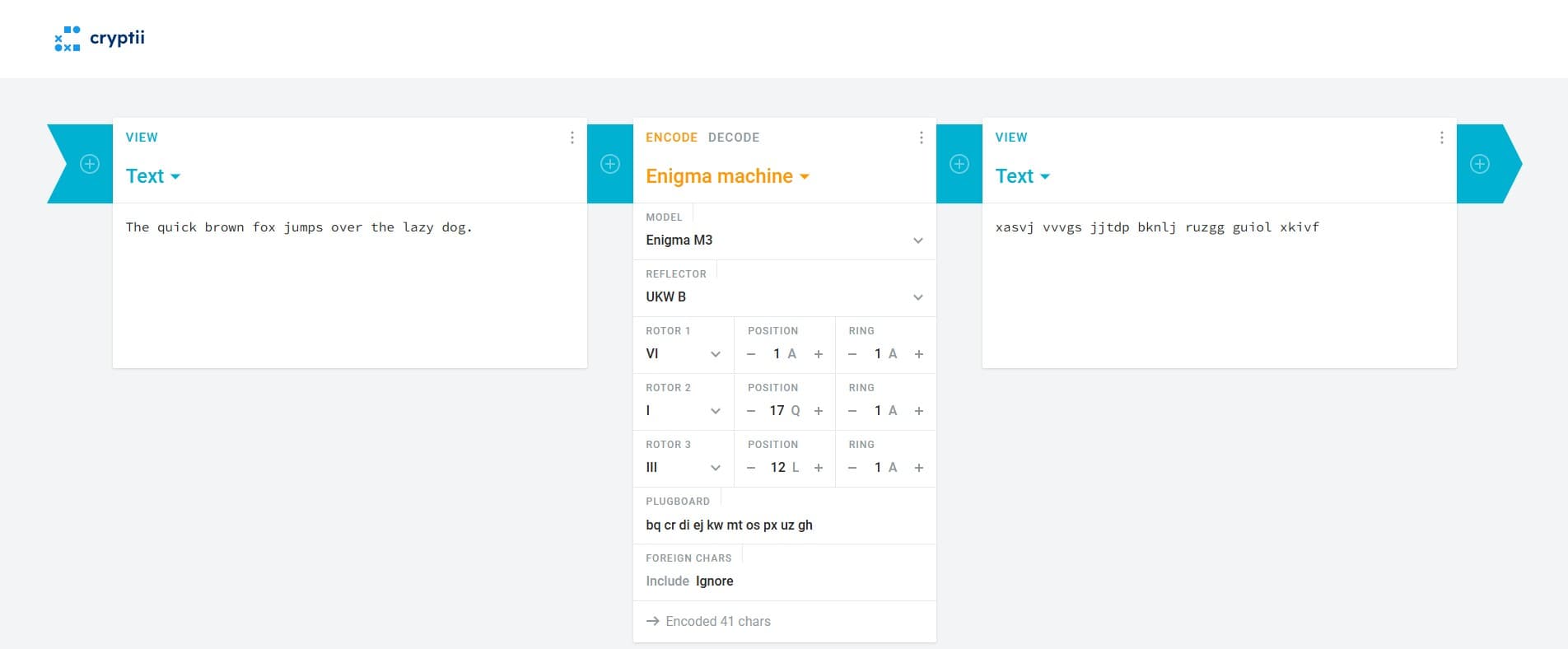
Posted by Marco Daniel MachadoMay 12Create your own cipher by combining mathematical operations and encryption protocolsThis tool allows users to build an encryption workflow in which the output of one customizable function becomes the input to another, thereby creating undiscovered methods for obscuring information via a series of ciphers. ZoomCipher Editorhttps://ciphereditor.com/
Posted by Teddy BurkhardtFeb 27A 14-year-old "human calculator" shatters six mathematical world records in one dayA teenage prodigy from Maharashtra, India named Aaryan Shukla set the record for the fastest time to mentally add 50 five-digit numbers. He did so in just 25.19 seconds–roughly equivalent to one addition every 0.5 seconds. The math whiz said he practices calculations for around five to six hours a day.https://www.guinnessworldrecords.com/news/2025/2/human-calculator-kid-shatters-six-world-records-with-incredibly-speedy-mental-maths
Posted by Teddy BurkhardtJan 29How math whizzes exploit sportsbooks Chris Dirkus is a professional sports bettor who approaches the hobby as a math problem, not from a fan's perspective. He focuses on mispriced odds in popular games where many fans are betting for high liquidity. He's one of a rare segment of sports bettors exploiting slow models and human mistakes. 8:09Behind the Scenes with Million Dollar Sports Bettors | Out of Boundshttps://www.youtube.com/watch?v=Mx7Sy5eafPs
Posted by Teddy BurkhardtFeb 11A visual guide to the athletic events the Olympics left behindThe series of competitions in today's version of the Olympic Games are the survivors of years of experimentation. This illustrated guide details some of the sports and creative competitions that didn't make the cut. Some sports were dropped due to their lack of visual appeal, while others were simply too specific, like the swim limited to sailors of the Royal Greek Navy. ZoomThe forgotten Olympic sportsReutershttps://www.reuters.com/graphics/OLYMPICS-2020/HISTORY/oakpedqbgvr/
Posted by Dina Fine MaronAug 27Explore 1,800+ exercises with an interactive muscle map that lets you click any muscle to see targeted exercises, including video tutorials and written instructions. Show 2 more findings ZoomMuscleWiki - Interactive Muscle Map & Exercise LibraryMuscleWikihttps://musclewiki.com/
Posted by Kevin KearneyJun 2Search a massive database of over 4 decades of clues from the TV quiz show 'Jeopardy!'J! ArchiveJ! Archivehttps://j-archive.com/
Posted by Teddy BurkhardtJul 14Explore different ways the ancient Greeks laid the foundation of Western culture, from philosophy to sports (w/quiz).Show 1 more finding ZoomHow did the ancient Greeks change the world? - BBC BitesizeBBChttps://www.bbc.co.uk/bitesize/articles/z8q8wmn#z6xc4xs
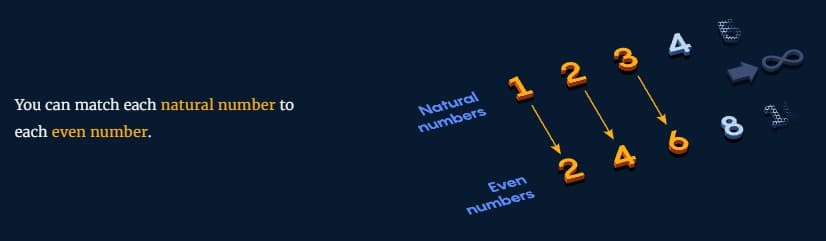
Posted by Marco Daniel MachadoApr 21Within mathematics, some infinities are bigger than othersWhile the concept of infinity refers to a countless set of items, these infinite sets can be compared to one another by matching an item from one set to an item in another, one by one. This analysis shows that certain sets must be larger than others because some infinite sets have leftover, unmatched items. ZoomHow Can Infinity Come in Many Sizes? | Quanta MagazineQuanta Magazinehttps://www.quantamagazine.org/how-can-infinity-come-in-many-sizes-20260223/
Posted by Marco Daniel MachadoMay 13The Ishango bone suggests mathematics was born about 20,000 years agoAncient civilizations developed mathematical systems for various purposes, including the Egyptians for the construction of the pyramids and the Ancient Greeks for logical reasoning in theorems. However, these systems were predated by the Ishango bone—found in the Democratic Republic of the Congo—whose notches suggest a base ten system, prime numbers, and simple mathematical operations. 4:29Who Invented Math?IFLSciencehttps://www.youtube.com/watch?v=9WLt8_iYZQo
Posted by Teddy BurkhardtApr 28An interactive periodic table maps every possible combination of cheese variablesPlotting milk type, texture, rind, mold, aging, and processing as intersecting axes, the tool shows which combinations already exist as named cheeses, which survive only as rare regional styles, and which remain entirely unexplored. The Cheese Map — Charting the Combinatorial Space of Cheesemakinghttps://cheesemap.netlify.app/
Posted by Teddy BurkhardtDec 18, 2025Explore more than 7,000 of the world's languagesGoogle collects open-source data on languages, detailing how many known speakers each language has, whether its endangered, and where in the world it is spoken. ZoomGoogle Research Language Explorerhttps://sites.research.google/languages/language-explorer
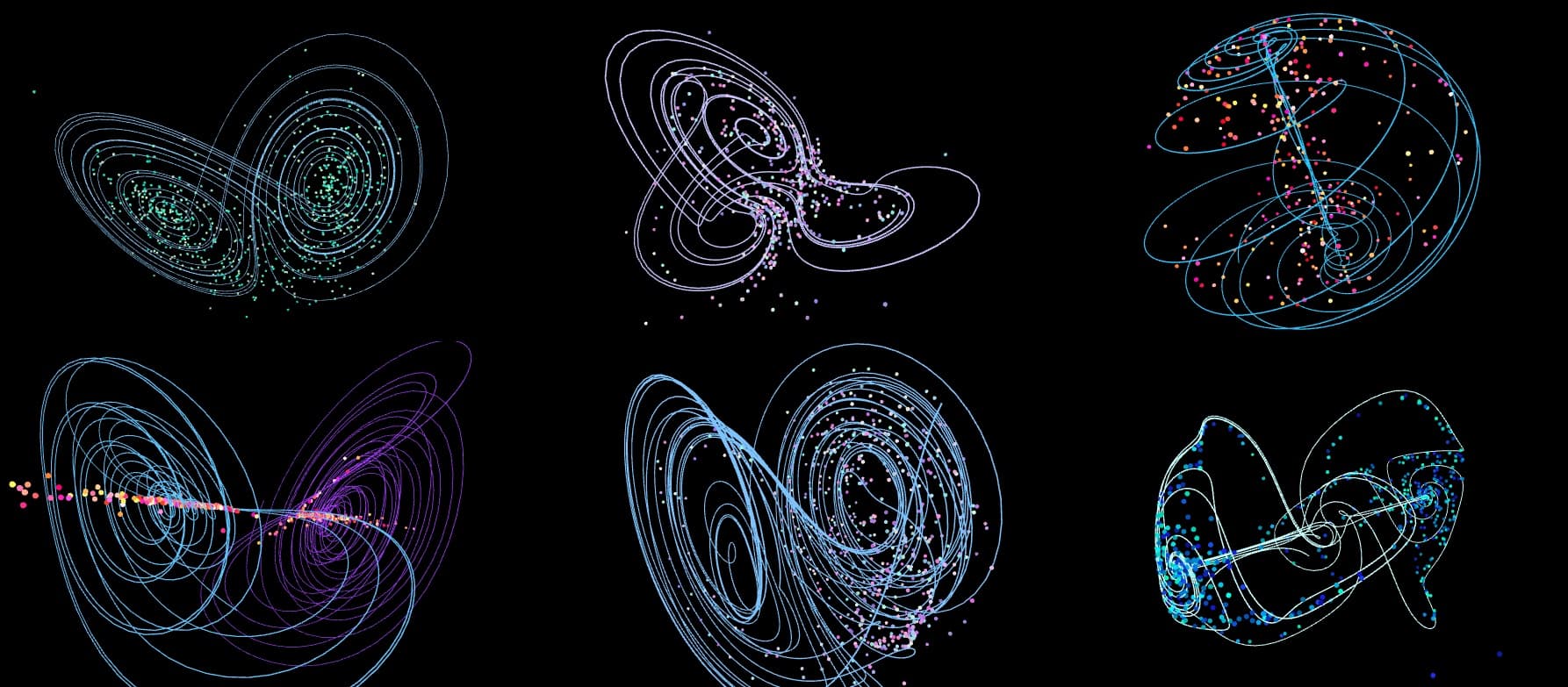
Posted by Marco Daniel MachadoMar 31Explore interactive simulations of strange attractors, the graphs that help visualize chaosAlthough simple, linear equations reach an explicit value for a given input, such as *f(x) \= x* + 1 equaling 4 when *x* equals 3, some chaotic, nonlinear systems tend to evolve towards multiple values simultaneously. These simulations allow users to observe the unusual mathematical artifacts created by systems as their outputs evolve toward these distinct values. Zoomhttps://www.dynamicmath.xyz/strange-attractors/
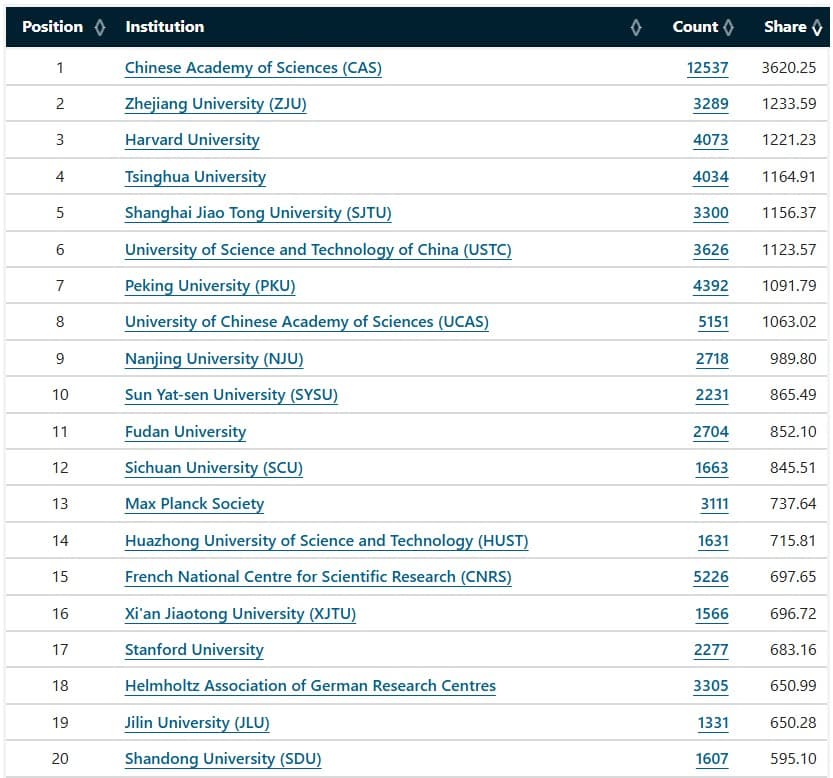
Posted by Marco Daniel MachadoAug 28View a ranking of research institutions, filterable by region, country, research area, or journal group. ZoomInstitution rankings | Nature IndexNaturehttps://www.nature.com/nature-index/institution-outputs/generate/all/global/all
Posted by Teddy BurkhardtNov 6, 2025There are more chess game variations than observable atoms in the universeMathematician Claude Shannon estimated there are 10 to the 120th power variations of chess games possible. Known as the "Shannon number," this is more than the estimated number of atoms in the cosmos.Shannon Number: What is the Shannon Number in Chess?https://www.chessjournal.com/shannon-number/
Posted by Marco Daniel MachadoOct 23, 2025Explore a collection of resources celebrating the 20th anniversary of the ISSThe media includes a 3D model of the International Space Station, a gallery of images taken from there of Earth, a set of virtual puzzles created from images related to the station, and an ISS digital coloring book.Explore a collection of resources celebrating the 20th anniversary of the ISSGooglehttps://artsandculture.google.com/project/nasa-iss20
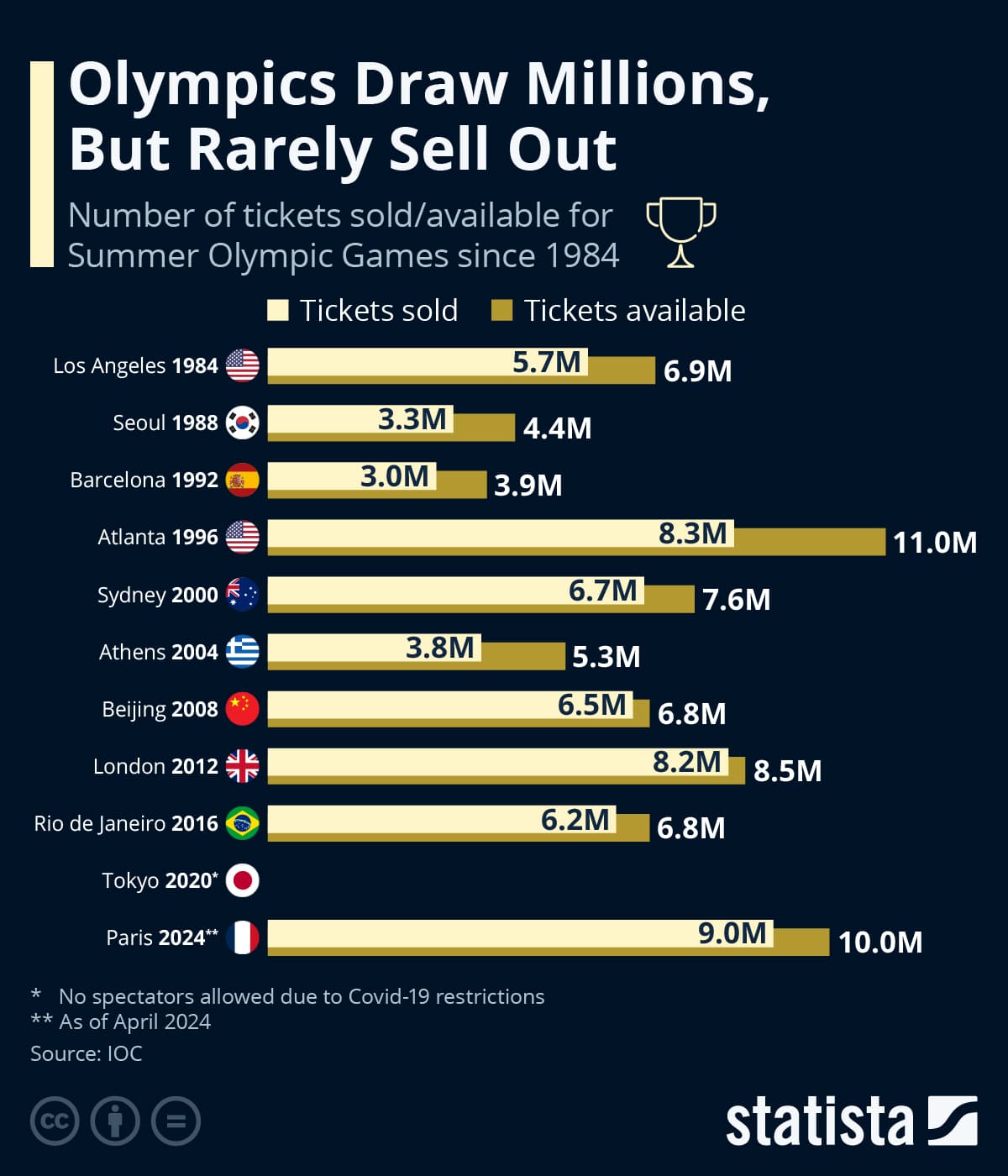
Posted by Drew SteigerwaldFeb 10Charting how many Olympic tickets are sold This chart compares the total number of tickets sold for Summer Olympic sporting events with the number of tickets available. The article sources the data from the International Olympic Committee website and goes back to the 1984 Games in Los Angeles. ZoomInfographic: Olympics Draw Millions, But Rarely Sell OutStatistahttps://www.statista.com/chart/32569/tickets-sold-for-summer-olympics-since-1984/