Posted by Jeremy CronigFeb 8View animated battle maps from every major skirmish of the American Civil War.Show 3 more findings 27:29The Civil War Animated Battle Map: 1861-1865American Battlefield Trusthttps://www.youtube.com/watch?v=CTLXVnr6x30&rco=1
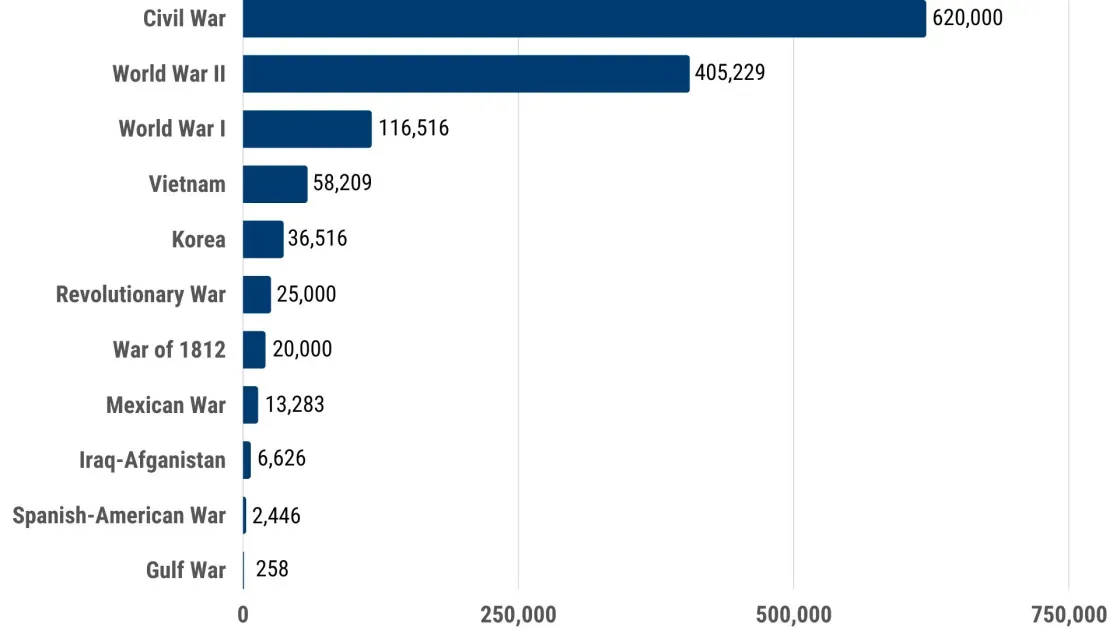
Posted by Jeremy CronigFeb 8The Civil War was the deadliest conflict in American historyBetween 1861 and 1865, an estimated 620,000 to 750,000 soldiers died from battle and disease—more than in all other US wars combined. ZoomAmerican Battlefield Trusthttps://www.battlefields.org/learn/articles/civil-war-casualties
Posted by Jeremy CronigFeb 8Visualize every day of the American Civil War, in which fighting took place in a majority of the country. 5:54https://www.youtube.com/watch?v=pDEK4gJBKW0
Posted by Teddy BurkhardtOct 4, 202237 maps that explain the American Civil WarThis collection of 37 maps tells the story of the American Civil War as well as any historical account. See how and where the war began and why, and where the major battles were fought. Discover how the North achieved victory and the many ways the war changed America forever. Zoom37 maps that explain the American Civil WarVoxhttps://www.vox.com/2015/4/14/8396477/maps-explain-civil-war
Posted by Teddy BurkhardtJan 22, 2023Where was the Civil War fought?The Civil War is commonly described as a war between northern and southern US states, but where was the war actually fought? Watch this interactive map and timeline to see who fought who and when. Click on specific battles to learn more about each fight. ZoomBattles of the American Civil Warhttps://storymaps.esri.com/stories/civilwar/
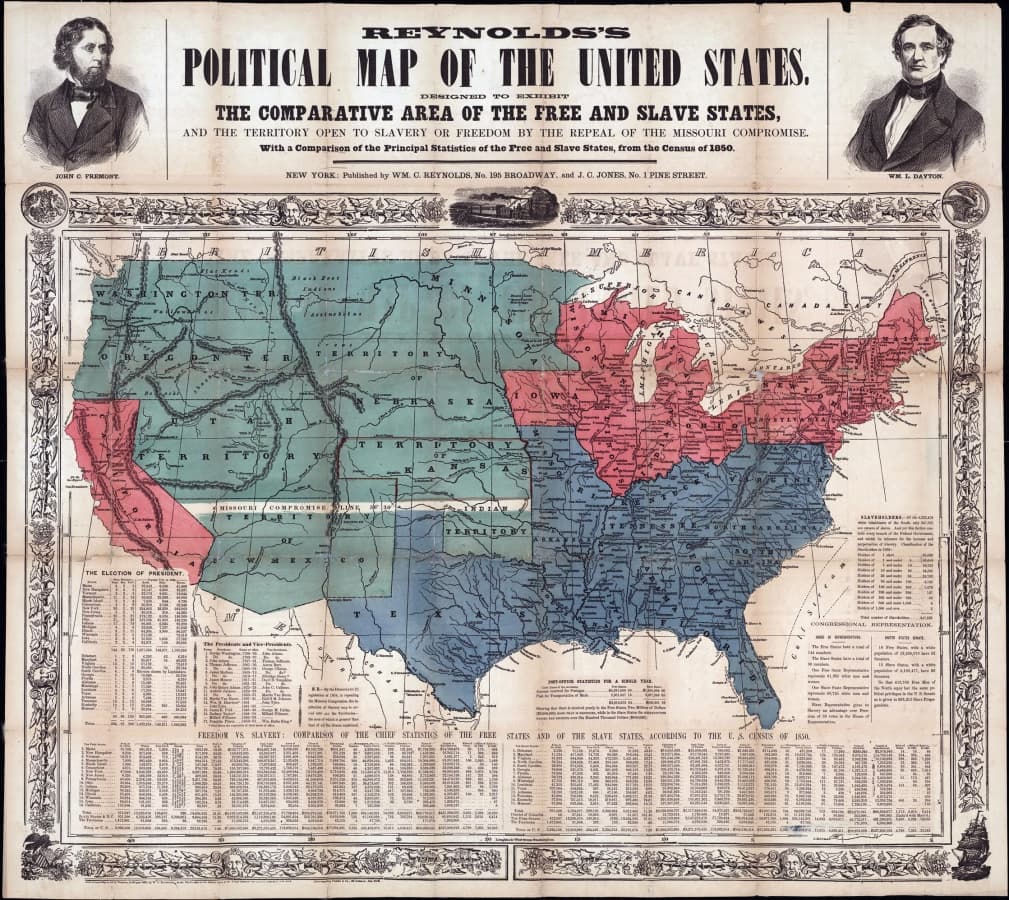
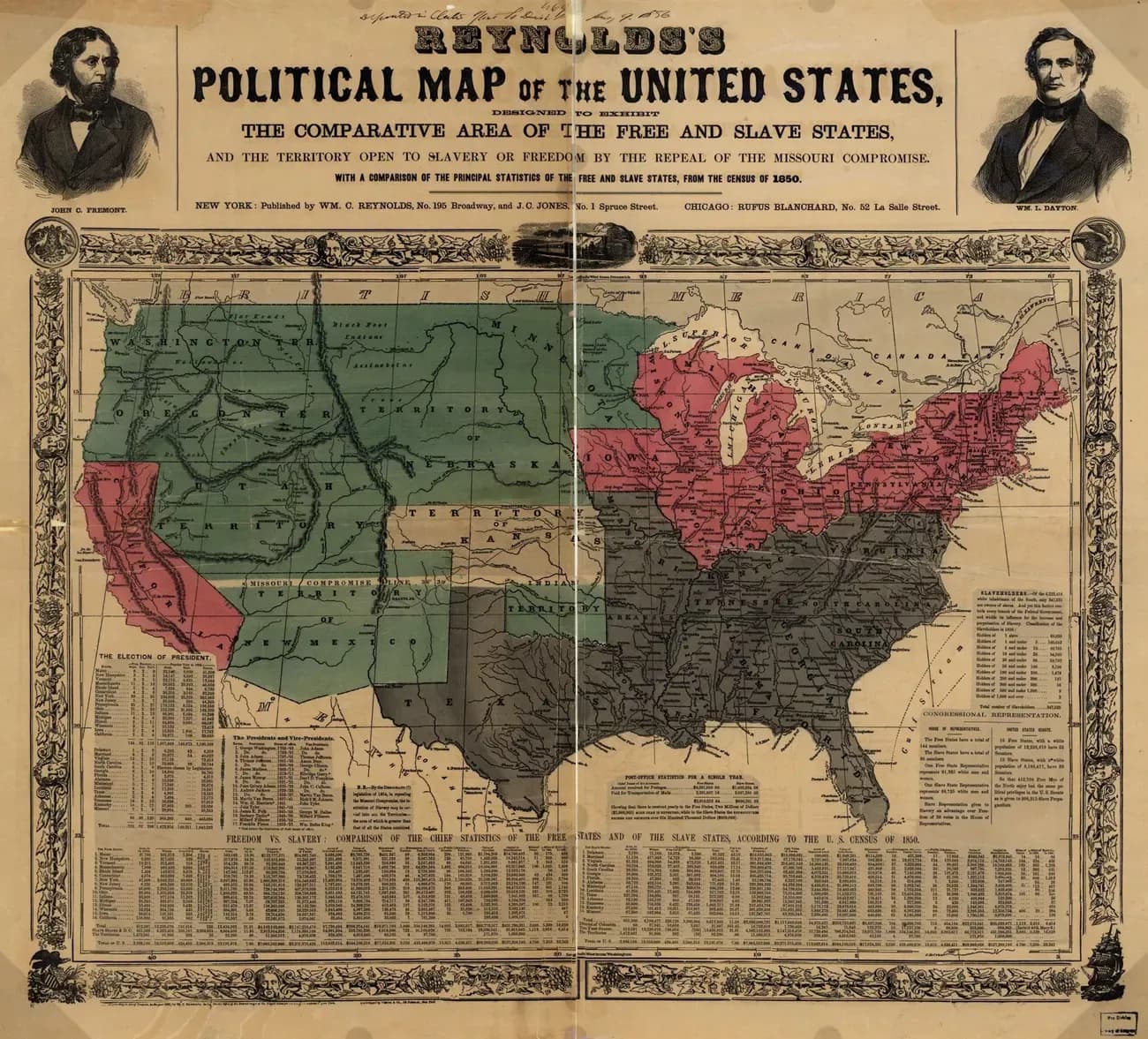
Posted by Jeremy CronigFeb 8US westward expansion—and the status of slavery in the new territories—was a major cause of the American Civil WarThe addition of new western lands forced the nation to confront whether slavery would spread beyond the South. Each debate over the admission of a new state sharpened the divide between free and slaveholding regions. Zoomhttps://ushistoryscene.com/article/civil-war-west-expansion/
Posted by Jeremy CronigFeb 8Hear how the world reacted to the American Civil WarEuropean nations closely watched the Civil War for its economic and political consequences. Some European nations quietly engaged diplomatically with the Confederacy but withheld recognition. When the Union made slavery's abolition a central cause, European public opinion turned sharply against the South. 4:08https://www.youtube.com/watch?v=xycPUC2f6xA
Posted by Teddy BurkhardtJun 30Was the Civil War really about states' rights?The Civil War was fought over slavery, and Confederate leaders and supporters admitted as much in the build-up to the war and after. But later on, after the South's defeat, the lie of the Lost Cause was pushed—and it persists to this day. This four-minute video details the story of the Lost Cause, "state's rights", Confederate monuments, and the machinations behind them. 4:43Debunking the myth of the Lost Cause: A lie embedded in American history - Karen L. CoxTED-Edhttps://www.youtube.com/watch?v=XP0_wnaW-a0
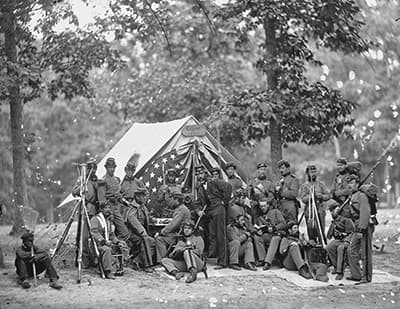
Posted by Jeremy CronigFeb 8See rare Civil War photographs preserved by the National ArchivesThe Civil War was the first major American conflict documented by a camera, with its images distributed widely to the public. The National Archives' digital collection offers thousands of original Civil War images: portraits, battlefields, hospitals, and everyday life. ZoomNational Archiveshttps://www.archives.gov/research/still-pictures/civil-war
Posted by Jeremy CronigFeb 8Two-thirds of soldier deaths during the war were due to diseaseRoughly two-thirds of all Civil War deaths resulted from disease rather than battle. Poor sanitation, contaminated water, and limited medical knowledge made camps breeding grounds for dysentery, typhoid, and other deadly infections.Emerging Civil Warhttps://emergingcivilwar.com/2022/10/07/civil-war-medicine-common-diseases-of-the-civil-war/
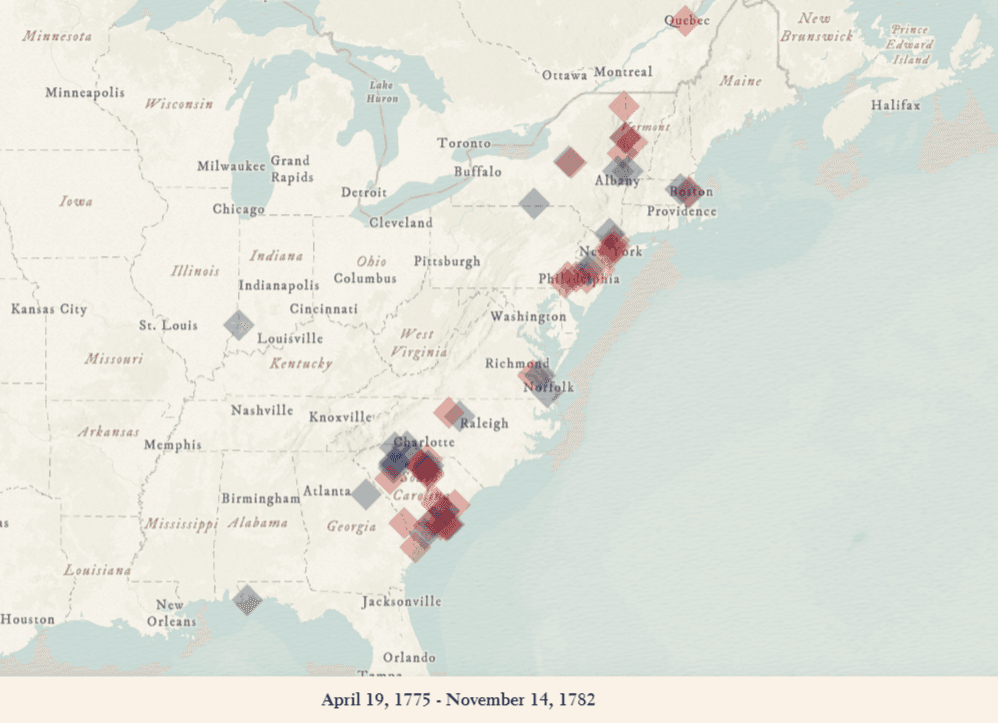
Posted by Teddy BurkhardtJun 17Explore an interactive map of battles from the American Revolution, along with detailed summaries of each engagement. ZoomBattles of the American Revolutionary Warhttps://storymaps.esri.com/stories/revolutionarywar/
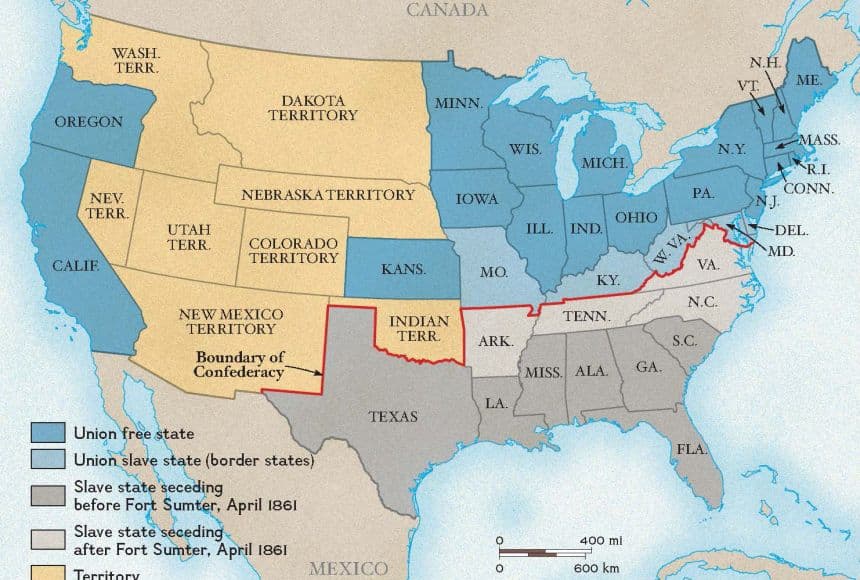
Posted by Jeremy CronigFeb 8Abraham Lincoln's election in 1860 triggered a cascade of Southern secessions and the formation of the Confederacy, culminating in the Confederate attack on Fort Sumter in Charleston, South Carolina.Show 3 more findings 6:28- YouTubeCBS Sunday Morninghttps://www.youtube.com/watch?v=Ecb3dHoN9WA
Posted by Jeremy CronigFeb 8See the army generals who helped define the Civil WarHear profiles of the Union and Confederate commanders whose choices defined the war's outcome—from Grant and Lee to Sherman, Jackson, and others. See how their actions, tactics, and skills shaped the Civil War. 11:09https://www.youtube.com/watch?v=DIoIy0YZvOM
Posted by Jeremy CronigFeb 8The Civil War introduced many technological advances to both society and warfare.Show 4 more findingsInventions Which Changed the Course of the Civil WarThoughtCohttps://www.thoughtco.com/innovations-in-technology-during-the-civil-war-1773744
Posted by Jeremy CronigFeb 8The Kansas-Nebraska Act sparked violence that foreshadowed the Civil WarThe 1854 Kansas-Nebraska Act let settlers vote on whether to allow slavery, repealing the Missouri Compromise. Competing proslavery and antislavery groups poured into Kansas, sparking years of bloody conflict known as "Bleeding Kansas." 2:36NBC Newshttps://www.youtube.com/watch?v=Yboh3uL0PMI
Posted by Jeremy CronigMay 12The Civil War turned the Continental Divide into an American symbol of identityHistorians argue that the boundary only became a celebrated American symbol in the 1860s, when Civil War-era leaders promoted a west-east geographic divide to replace the devastating north-south political divide, and that the term's use spiked after the transcontinental railroad crossed it in 1868. ZoomThe Invention of the Continental Divide - JSTOR DailyJSTORhttps://daily.jstor.org/the-invention-of-the-continental-divide/
Posted by Jeremy CronigFeb 8According to Confederate leaders, the defense of slavery was the primary reason for secession.Show 3 more findings ZoomSlavery as a Cause of the Civil War - Lincoln Home National Historic Site (U.S. National Park Service)National Park Servicehttps://www.nps.gov/liho/learn/historyculture/slavery-cause-civil-war.htm
Posted by Jeremy CronigJan 19The Civil War permanently strengthened federal powerThe Civil War expanded federal power through emancipation, national military mobilization, and postwar civil rights laws, permanently strengthening the national government and shifting the balance of authority away from the states.https://federalism.org/encyclopedia/no-topic/civil-war/
Posted by Jeremy CronigFeb 8Approximately 180,000 African Americans served in Union forcesAbout 180,000 Black soldiers—roughly 10% of the Union army—served in the United States Colored Troops after 1863. Despite lower pay and discrimination, they were crucial to the Union victory. 3:11Smithsonian Magazinehttps://www.youtube.com/watch?v=q_0tD7-FTEI
Posted by Teddy BurkhardtMay 11, 2022A graphic illustration of death tolls in historical events and warsWhich killed more, the American Civil War or the Korean War? Hurricane Katrina or the Titanic sinking? You’ll be surprised how wrong you are about death tolls. ZoomThe Death Toll Comparison Breakdown — Wait But Whyhttps://waitbutwhy.com/2013/08/the-death-toll-comparison-breakdown.html
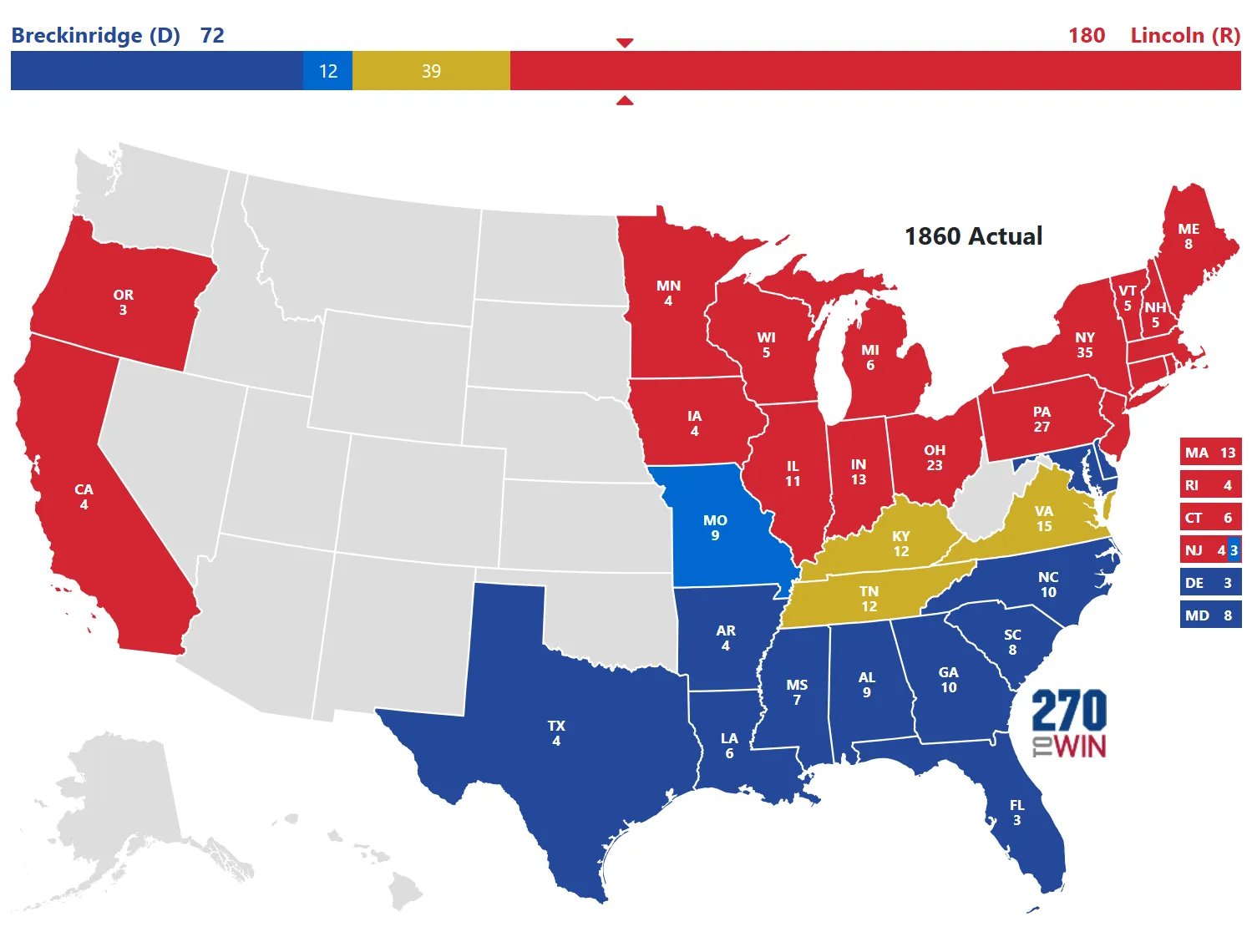
Posted by Jeremy CronigFeb 8Abraham Lincoln received only 40% of the popular vote in the 1860 election, highlighting the deep divisions in the country on the eve of the Civil War.Show 3 more findings ZoomPresidential Election of 1860 - 270toWin270 to Winhttps://www.270towin.com/1860-election/
Posted by Jeremy CronigFeb 8Abraham Lincoln's victory in 1860 sparked Southern secession—even before his inaugurationAbraham Lincoln's election on an antislavery expansion platform convinced many Southerners that their way of life was under threat. Within three months, seven states seceded from the Union—forming the Confederacy—before Lincoln took office in March 1861.Election of 1860: Slavery & Southern Secessionhttps://www.searchablemuseum.com/election-of-1860-slavery-and-southern-secession/
Posted by Jeremy CronigMay 20The devastation of the American Civil War led to the establishment of Memorial DayTracing its origins to the post-Civil War era, Memorial Day began as local tributes to those who lost their lives in the war. Originally taking place annually on May 30, it was moved to the final Monday in May in 1971. ZoomToday in History - May 30Library of Congresshttps://www.loc.gov/item/today-in-history/may-30/
Posted by Teddy BurkhardtJun 16, 2023Nineteenth-century, hand-drawn infographics on US slavery and raceIn the second half of the 19th century, researchers studying the behavior of the millions of emancipated Americans after the Civil War used "information graphics" to cut through the noise of racially charged debate. In this collection from Stanford, you can see century-old, stunningly hand-drawn data visualizations showing racial demographics, the effects of emancipation on cotton prices, and more. ZoomSlavery to SegregationStanford Universityhttps://exhibits.stanford.edu/dataviz/feature/slavery-to-segregation
Posted by Jeremy CronigJan 20In the midst of the Civil War, Lincoln rapidly expanded presidential powerAbraham Lincoln suspended habeas corpus, expanded the army without congressional approval, and issued the Emancipation Proclamation—despite likely lacking authority to unilaterally alter national slave law. His actions set precedents for expanded presidential power in wartime. 6:51National Constitution Centerhttps://www.youtube.com/watch?v=8eA7e9gzoFg
Posted by Jeremy CronigJan 31Congress descended into fistfights, duels, and violence before the Civil WarIn the decades before the Civil War, members of the United States Congress carried weapons, assaulted colleagues, and, in one case, a congressman killed another in a duel. The violence was driven largely by sectional conflict over slavery and foreshadowed the nation's descent into war.HISTORYhttps://www.history.com/articles/charles-sumner-caning-cilley-duel-congressional-violence
Posted by Teddy BurkhardtJan 23, 2023A map of slavery's spread across the USNeed a visual on how prevalent slavery was in the US? Scroll through this interactive map and timeline based on census data from 1790 to 1860. ZoomThe Spread of U.S. Slavery, 1790–1860https://lincolnmullen.com/projects/slavery/
Posted by Jeremy CronigFeb 8The Lincoln-Douglas debates sharpened the national divide over slaveryIn 1858, Abraham Lincoln and Senator Stephen Douglas debated while competing for an Illinois Senate seat. Their seven debates, reprinted nationwide, brought the question of slavery to the forefront—further polarizing the country and propelling Lincoln to national prominence.National Constitution Centerhttps://open.spotify.com/episode/5reul1toVRbRH0aAVRr2F5
Posted by Teddy BurkhardtJan 22, 2023What happened after the Civil War?After the massive devastation and scorched earth wartime methods of the Civil War, the US entered its Reconstruction era. Listen to this podcast to learn what that entailed and who was affected. ZoomHistory Unplugged Podcast - Reconstruction: America’s Terrible National Hangover After the Civil War on Stitcherhttps://podcasts.apple.com/jm/podcast/reconstruction-americas-terrible-national-hangover/id1237796990?i=1000472375858
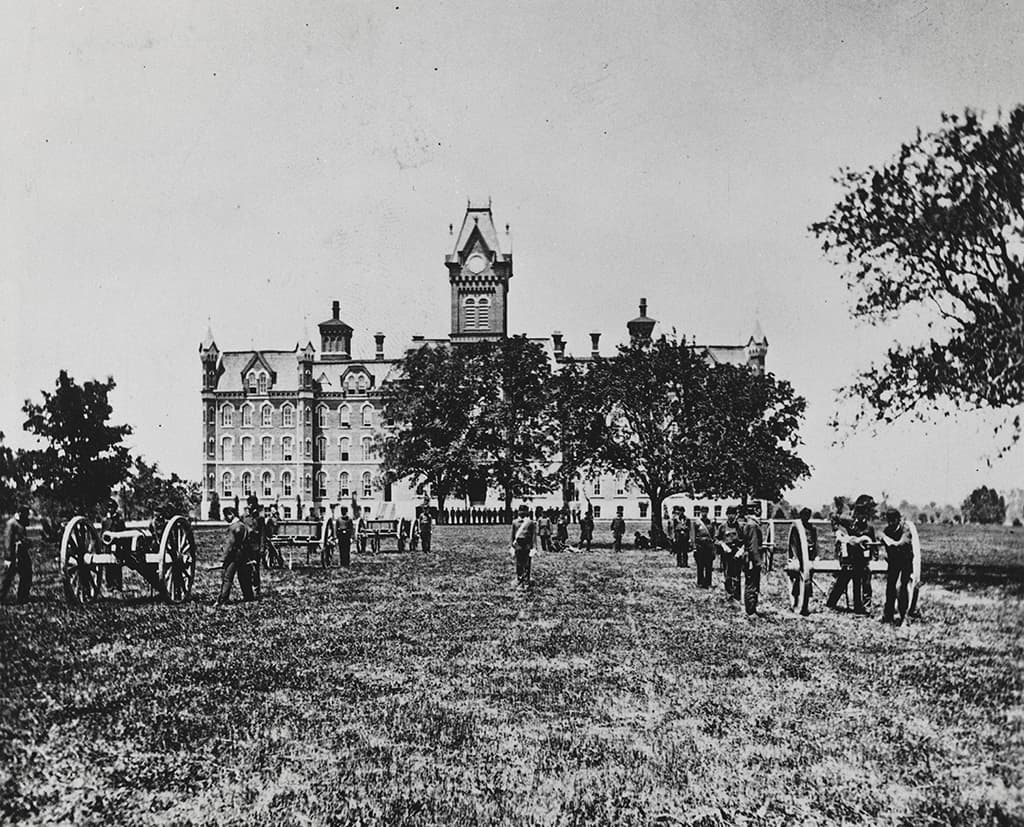
Posted by Jeremy CronigFeb 8Bills passed during the Civil War shaped postwar AmericaDespite the war with the South, Congress passed transformative laws like the Homestead Act and the Morrill Land-Grant College Act, which encouraged westward settlement and expanded higher education. Zoomhttps://www.minneapolisfed.org/article/2007/1862-legislation-that-shaped-the-west
Posted by Teddy BurkhardtJan 9Watch Ken Burns' documentary series on the American Revolution, which tells its story through the lives of soldiers, civilians, enslaved people, Native nations, and international allies. ZoomThe American Revolution | All Episodes Now Streaming | Ken Burns | PBSPBShttps://www.pbs.org/kenburns/the-american-revolution
Posted by Jeremy CronigFeb 8Explore new and contemporary perspectives with Emerging Civil WarEmerging Civil War brings together historians and writers who offer fresh research, essays, and battlefield stories that uncover overlooked events, people, and places—showing that scholarship on the war is still evolving over 160 years later.Emerging Civil Warhttps://emergingcivilwar.com/
Posted by Jeremy CronigMar 20Listen to firsthand accounts of how Black Americans fought to end slavery and shape ReconstructionThis podcast explores the actions of Black Americans who fought for freedom before, during, and after the Civil War—highlighting their key role in abolition and the Reconstruction era.Seizing Freedom | Podcast on Spotifyhttps://open.spotify.com/show/7o2IahrNfzNNEjk2R86bVw
Posted by Meher QazilbashSep 9, 2025The Mexican-American War trained future Civil War generalsMany key military leaders of the Civil War—including Ulysses S. Grant, Robert E. Lee, and Thomas “Stonewall” Jackson—first saw combat in the Mexican-American War, gaining battlefield experience that shaped their later commands. Zoom10 Civil War Generals Who Served in the Mexican-American WarThoughtCohttps://www.thoughtco.com/generals-who-served-mexican-american-war-2136198
Posted by Kevin KearneyApr 17How Emily Dickinson and Walt Whitman grappled with the American Civil WarWhitman, whose brother was injured while fighting for the Union, was often overt in his pro-Union poems. Dickinson, whose brother paid to have someone enlist under his name, was more subtle, though equally as affected, as this comparative analysis makes clear.Ploughshareshttps://pshares.org/blog/whitman-and-dickinson-and-the-civil-war/
Posted by Jeremy CronigFeb 8Hear firsthand stories from the Civil WarHistorian and storyteller Fred Kiger narrates detail-rich episodes exploring overlooked people and moments of the Civil War—bringing listeners onto battlefields and into strategy rooms and offering insight into the lives of those who lived the conflict.https://open.spotify.com/show/3k6LwdcxR8JL0IJCkBuapz
Posted by Meher QazilbashSep 9, 2025US troops committed widespread atrocities during the Mexican-American WarAmerican volunteer regiments frequently looted towns, raped civilians, and executed prisoners—especially in occupied northern Mexico. Historians have documented how racial hatred and impunity fueled war crimes that were rarely punished by military leadership. 36:12A Wicked War: Polk, Clay, Lincoln, and the 1846 U.S. Invasion of Mexico with author Amy Greenberghttps://www.youtube.com/watch?v=DtfayzhBEYo&t=992s
Posted by Jeremy CronigMar 20Abolitionists shaped American history from the Revolution to the Civil WarAbolitionists of all backgrounds organized against slavery from the founding era onward. Historian Manisha Sinha argues that their decades of activism fundamentally shaped American democracy and made emancipation possible.Episode 105: Slavery and Abolition - 15 Minute Historyhttps://open.spotify.com/episode/4BmpIaeqR4qqJSD2FPlStX
Posted by Jeremy CronigFeb 8The Union victory at Gettysburg marked a major turning point in the warFought July 1-3, 1863, the Battle of Gettysburg ended the Confederate invasion of the North. While the Union lost nearly 23,000 troops, its victory in one of America's most famous battles shifted the war's momentum decisively toward the North. 24:10https://www.youtube.com/watch?v=l2V8co6bTR8
Posted by Jeremy CronigJul 13Read an annotated 1866 essay by abolitionist Frederick Douglass, where he laid out his vision for reshaping America after the Civil War.Show 3 more findings ZoomThe Annotated Frederick DouglassThe Atlantichttps://www.theatlantic.com/magazine/archive/2023/12/frederick-douglass-atlantic-reconstruction-essay/675485/