US-Iran Relations
Overview
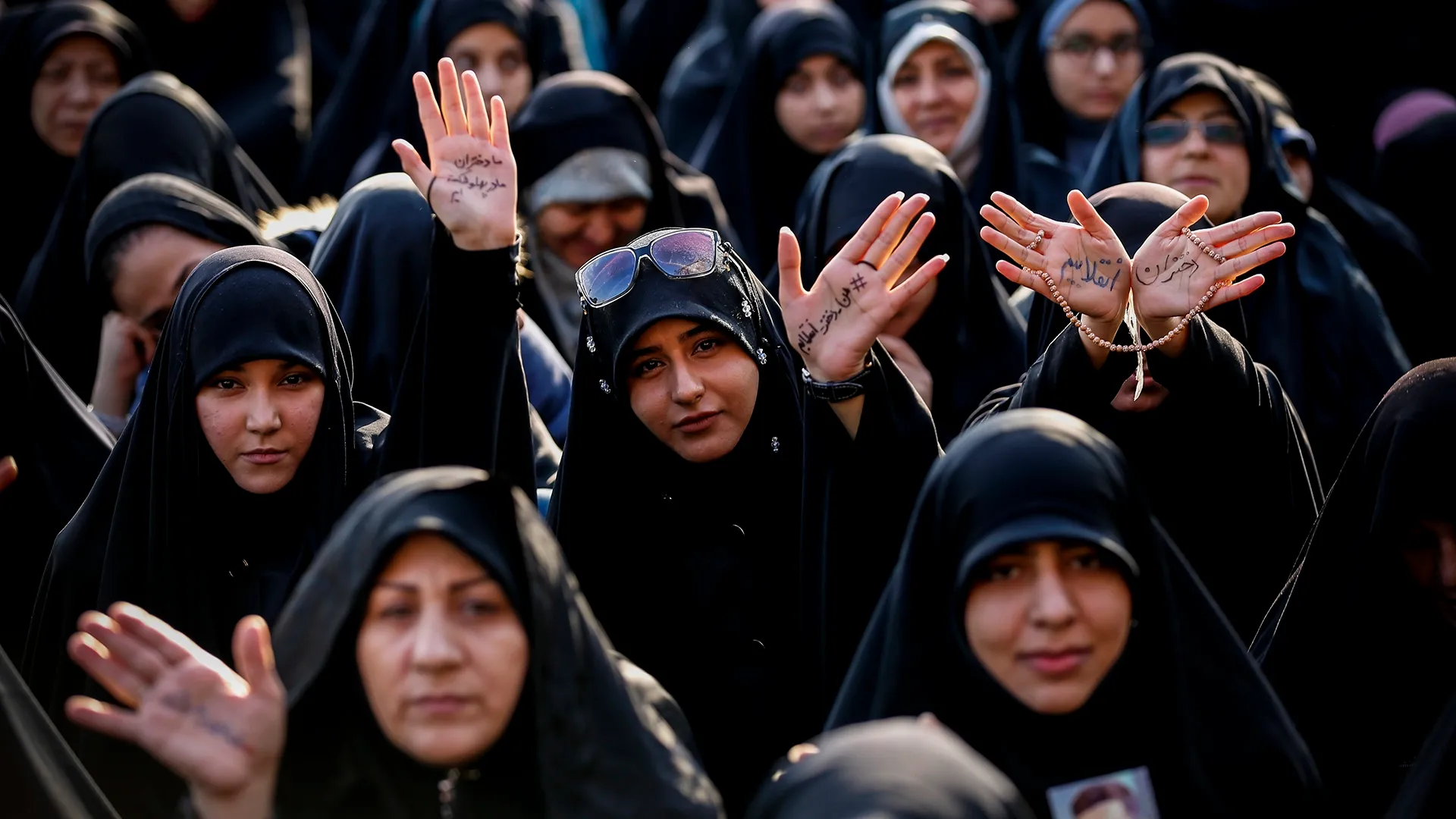
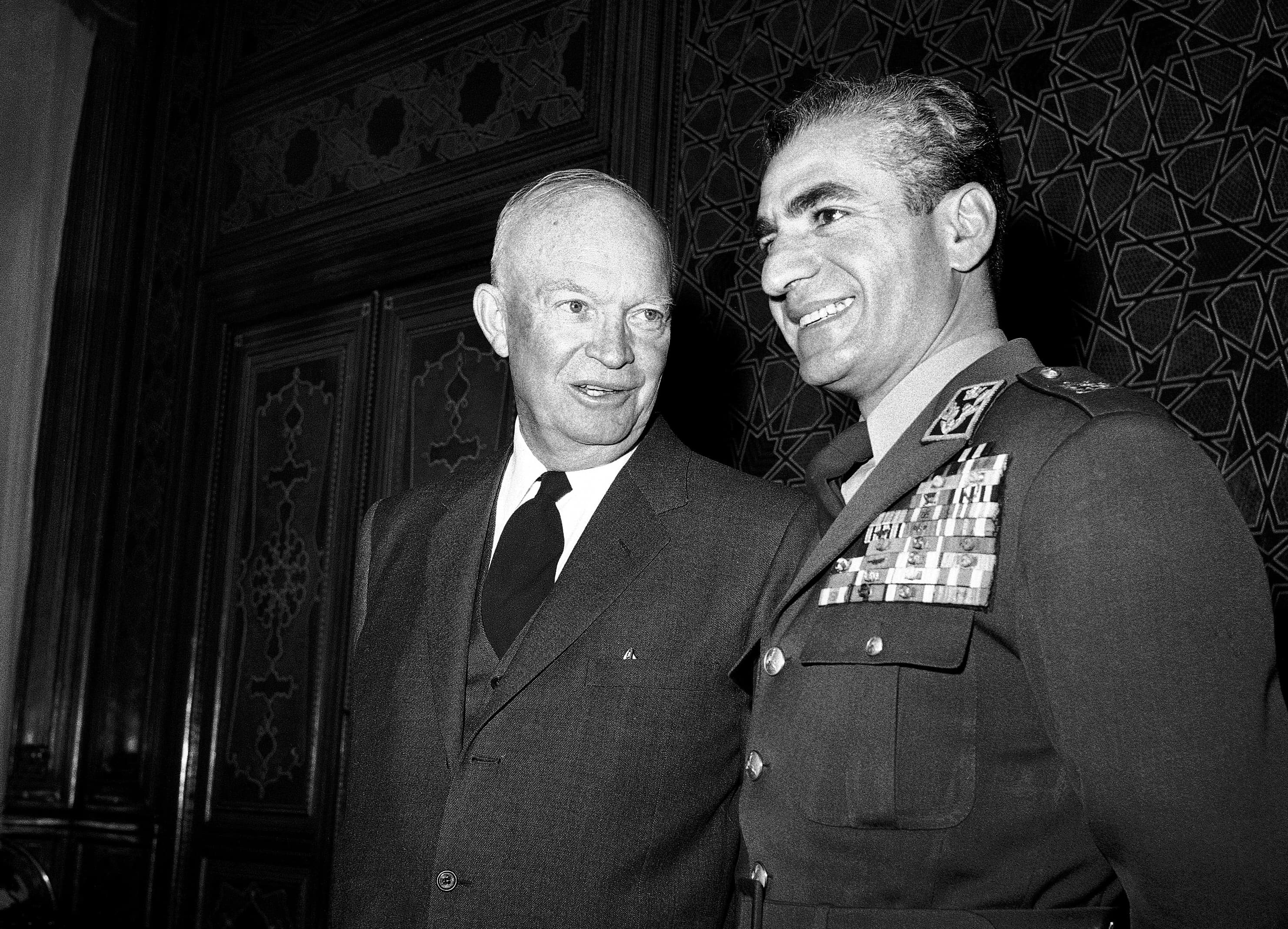
The United States and Iran went from close allies to geopolitical rivals after the 1979 Iranian Revolution, in which a popular uprising toppled the country’s monarchy and established the world’s first modern Islamic theocracy. Washington had backed Mohammad Reza Shah Pahlavi, the country’s authoritarian, pro-Western leader, for decades, including through a 1953 CIA-backed coup that ousted Iran’s democratically elected prime minister after he nationalized the country’s oil industry.
The revolution permanently severed relations, most notably when students seized the US Embassy in Tehran and held 52 Americans hostage for 444 days. In the decades since, the two countries have clashed over Iran’s nuclear program and its network of regional proxies, including Hezbollah in Lebanon and the Houthis in Yemen.
Tensions erupted into direct conflict in June 2025, when US bombers struck Iranian nuclear sites during a 12-day war between Israel and Iran. In February 2026, the US and Israel launched a broader war that killed Supreme Leader Ali Khamenei. Iran retaliated against US bases and disrupted shipping through the Strait of Hormuz, and fighting has continued despite short-lived ceasefires.
1440 Findings
Hours of research by our editors, distilled into minutes of clarity.