Space Exploration

Overview

From the dawn of the space race to an era of international cooperation, the exploration of outer space has pushed both the limits of human imagination and humankind's technological capability. Explore the rich history of space exploration below, along with where we may go in the future.

1440 Findings

Hours of research by our editors, distilled into minutes of clarity.

  • An oral history of the 1969 moon landing

    Twelve Central Illinois residents are asked to share their thoughts on where they were when the first people landed on the Moon. This almost one-hour program is a collaboration of Eastern Illinois University's Booth Library, the EIU Department of History, and WEIU, and it premiered at EIU's Booth Library, January 24, 2019.

    Video
    An oral history of the 1969 moon landing

  • The Space Launch System: NASA's most powerful rocket ever

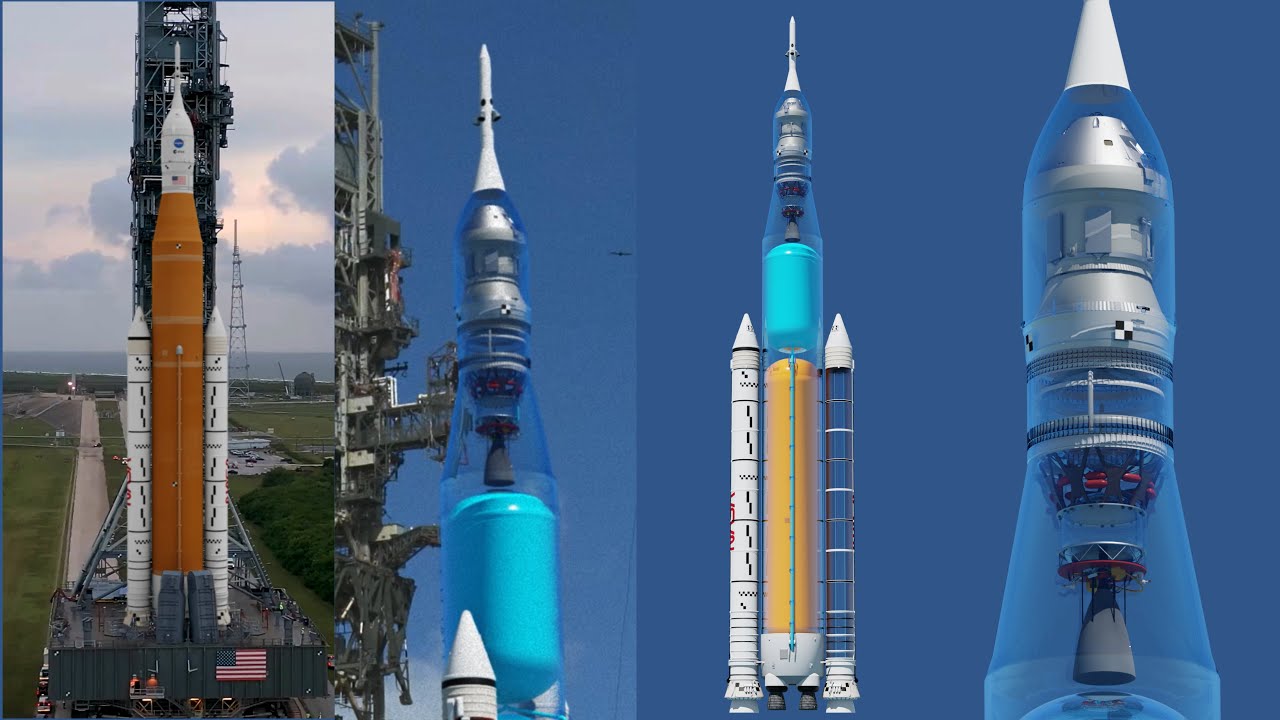
    The Space Launch System is intended to be the most powerful rocket ever built by NASA. Possible missions include returning to the moon and perhaps even reaching Mars. This speculative and mostly silent video uses animation to explore the inner workings of the SLS, showing it launching and in space flight.

    Video

    The Space Launch System: NASA's most powerful rocket ever

  • How NASA plans to build its first moon base

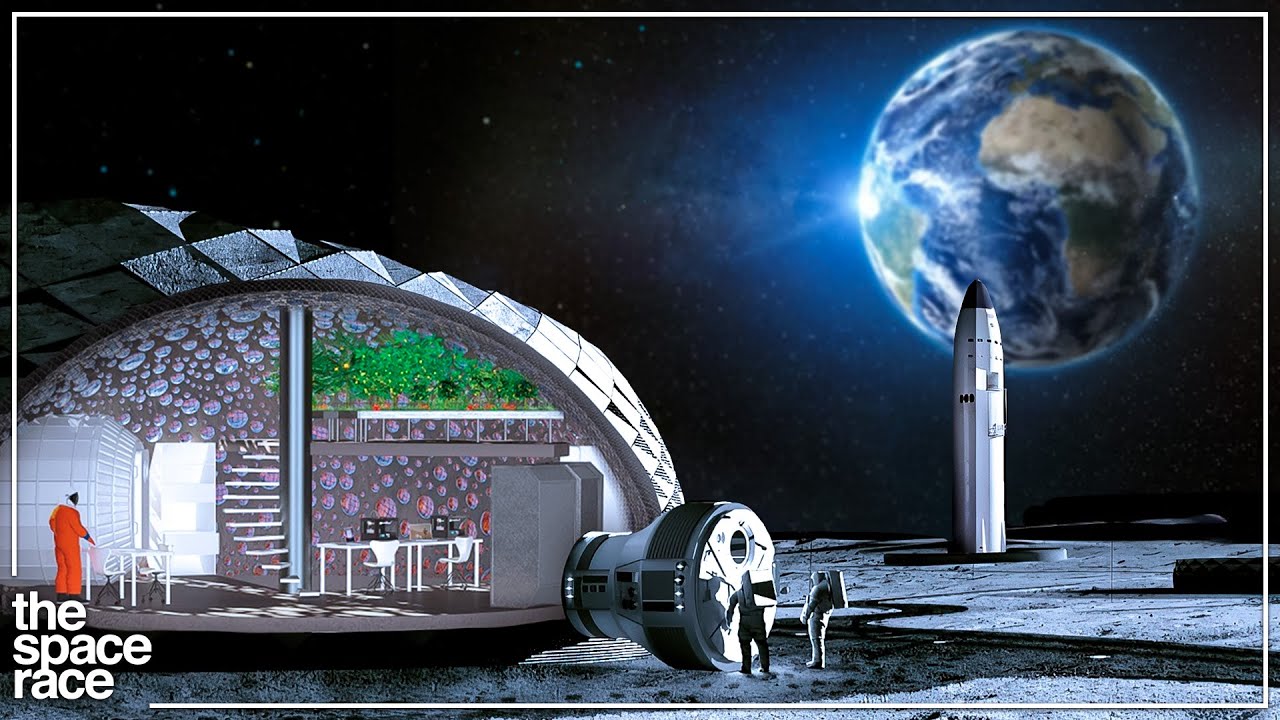
    NASA's Artemis mission plans to see humans return to the moon by 2025, with long-term plans to build the first lunar base on its surface. To begin, astronauts will dwell for days at a time in SpaceX's Starship, which is capable of landing and taking off again from the moon. Over time, NASA plans to harvest minerals from the lunar surface to construct an oxygen pipeline as well as the rest of the base. Watch this video to see a sophisticated, detailed description of NASA's plans for the base.

    Video

    How NASA plans to build its first moon base

  • A return to Uranus

    There's been only one mission to Uranus before—Voyager 2 passed by the ice giant in 1986 before heading off into interstellar space. NASA's recent planned itinerary for space missions lists Uranus as the highest priority over the next decade. The seventh planet is 20 times as far from the sun as Earth, and researchers say its study will shed light on how the outer half of the Solar System formed.

  • Images of Jupiter in unprecedented detail

    Jupiter has never seemed closer and clearer than it does in these images gathered by the James Webb Telescope. Behold beautiful auroras, hazy clouds, and more. This may not be the classic image of Jupiter (and its stormy Great Red Spot) you're used to, but it tells scientist, and us, more about the largest planet in our solar system.

  • Ring galaxies, the rarest kind in the universe

    Galaxies come in different sizes, but when it comes to shapes there are just four kinds: spiral, elliptical, irregular, and the rarest kind, ring. Ring galaxies only form in the event of a small galaxy passing through a large one, but there's more to them that that. This page explores these rare and beautiful heavenly bodies.

  • See a dying star in different wavelengths

    The Crab Nebula is the remnants of a dying star that went supernova . First spotted a thousand years ago by Chinese and Japanese astronomers, and likely Native Americans as well. Its original bright light has long since faded, but you can see it in different light wavelengths through this interactive website.

  • Protecting astronauts against space radiation

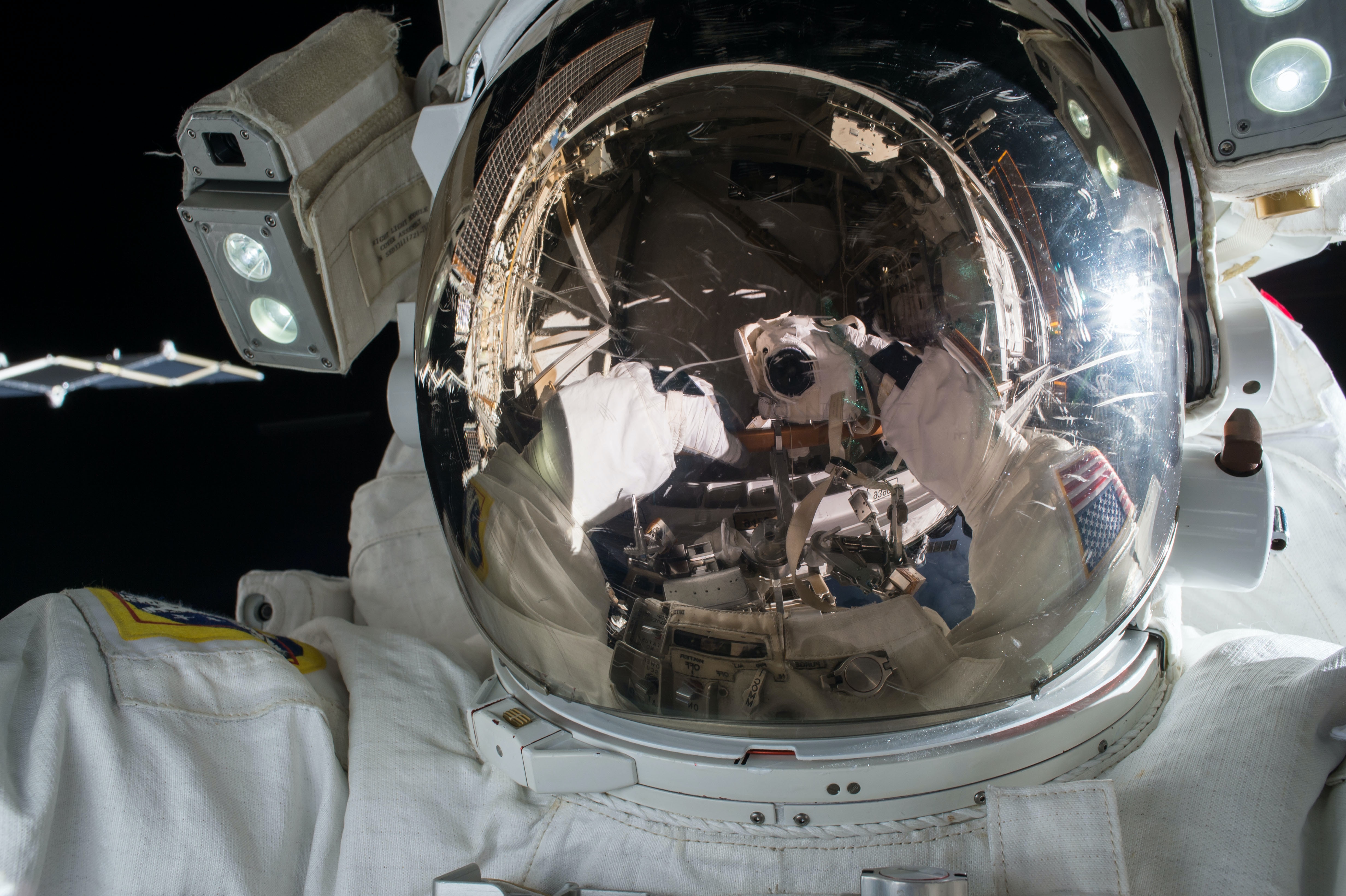
    Outside the protective atmosphere of Earth, astronauts are constantly bombarded by radiation, which, among other dangers, increases the risk cancer. While those of us on Earth can mitigate the effects of similar radiation by limiting exposure,...

    Video

    Protecting astronauts against space radiation

  • Explaining the galaxy-sized gas bubbles hovering around the Milky Way

    Depth perception is hard to achieve when looking out into space. For decades, two camps of astrophysicists have disagreed over the nature of the North Polar Spur, a radio-wave emitting arc above the Milky Way galaxy's plane. Was it close and relatively small? Or was it faraway and much more massive? New research utilizing X-ray mapping of the galaxy has helped clarify the existence of both so-called smaller Fermi bubbles and larger X-ray ones.

Next page

Explore Space

From roughly 60 miles above the Earth's surface to farther than light has traveled during the entire age of the universe, space has captured human imagination for millennia. Explore the final frontier with the best resources curated from across the internet.

View All Space