Solar System

Overview

The solar system is the gravitationally bound system of the sun and the objects that orbit it. Of the bodies that orbit the sun directly, the largest are the four gas and ice giants and the four terrestrial planets, followed by an unknown number of dwarf planets and innumerable small solar system bodies. Of the bodies that orbit the Sun indirectly—the natural satellites—two are larger than Mercury and one is nearly as large.

1440 Findings

Hours of research by our editors, distilled into minutes of clarity.

  • The most volcanic body in the solar system

    As part of NASA’s real-time science encyclopedia of deep space exploration, you can take a look around the most volcanic object in our solar system: Io, one of Jupiter's moons discovered by the great Renaissance astronomer Galileo Galilei. The moon—roughly the size of Earth's moon—is covered in dozens of active volcanoes, with many erupting lava flows miles into the sky. Io's extreme volcanism results partly from the gravitational tensions from Jupiter and two other nearby moons. Learn more about this lava-filled hot spot in the solar system here.
  • The ride of your life: How Earth moves

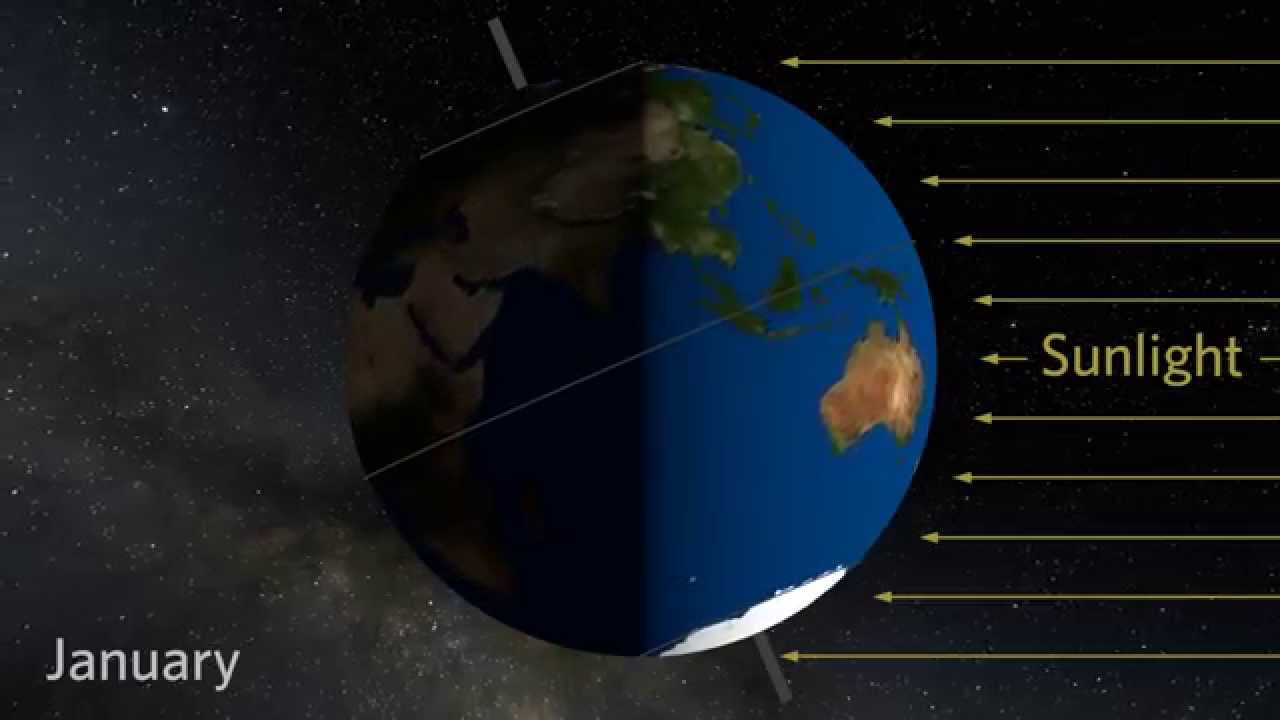
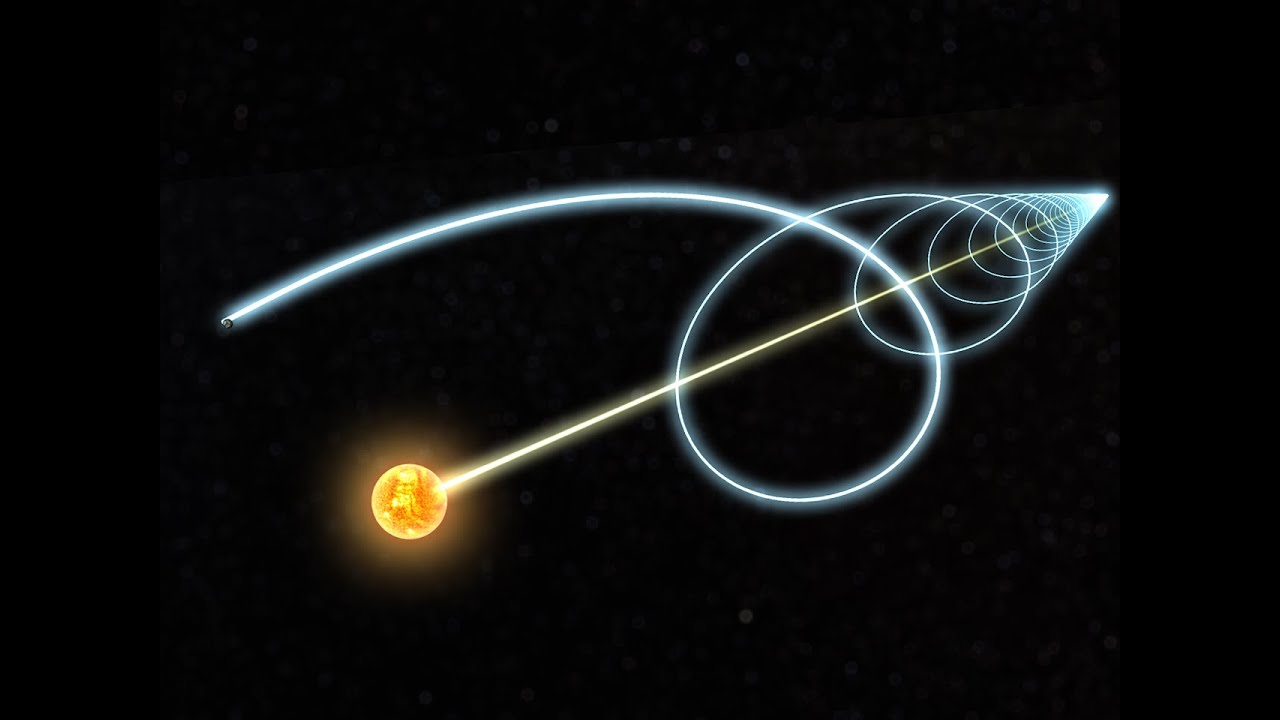
    As stable as Earth feels, our planet is always moving: it's rotating on an axis, revolving around the Sun at the center of its orbit, and through space within the solar system and broader Milky Way galaxy. All these movements occur in a mostly regular way and provide reference points for our record of time: days (rotation), months (lunar cycle), and years (revolution around the Sun). But these patterns aren't quite exact, with the length of a day just a little over 24 hours. This quirk has resulted in some surprising calendar bloopers over the centuries, including September 1752, in the United Kingdom, where 11 days were removed.

    Video

    The ride of your life: How Earth moves

  • How Saturn got its rings

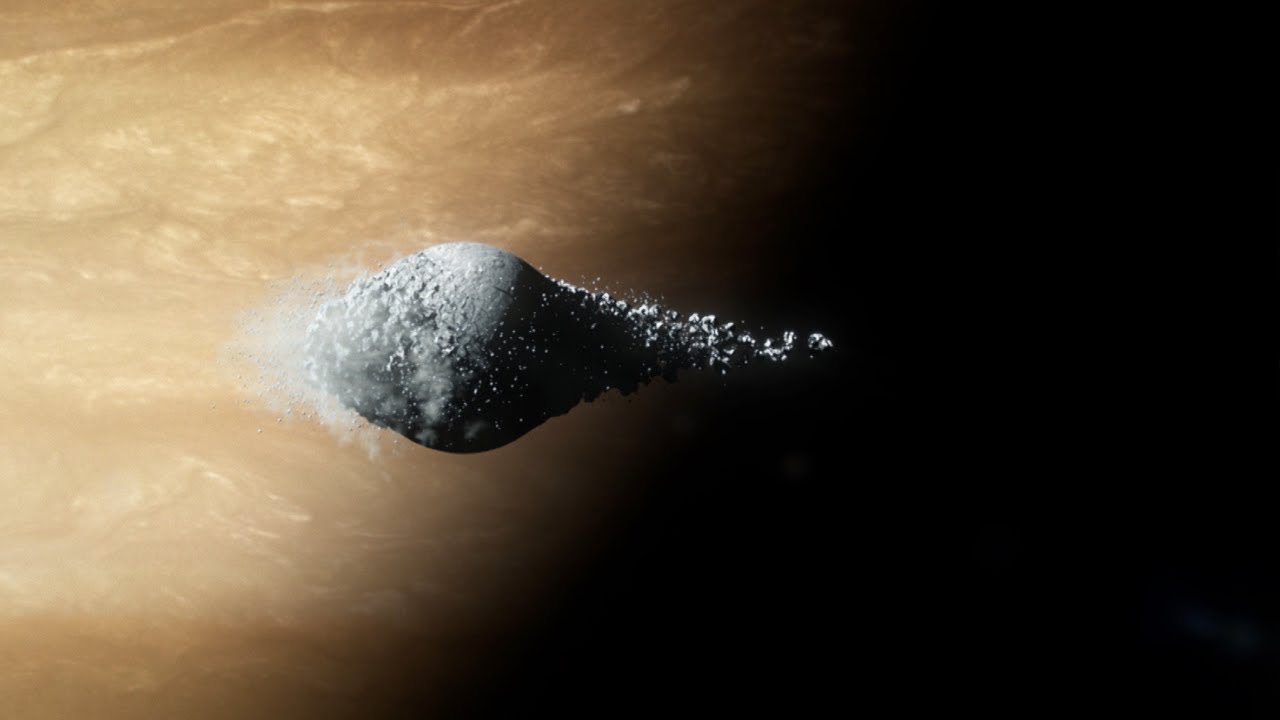
    The "jewel" of our solar system didn't always have its striking rings. Millions of years ago, a likely icy moon orbited Saturn just a little too closely, reaching the planet's so-called Roche limit, the boundary where the planet's gravity pulls a satellite apart. An estimated 17,000 trillion tons of ice likely exploded into Saturn's orbit over just a few days, suddenly creating what today is clearly seen as the planet's stunning rings. Watch this dramatic animated visualization showing how the process might have looked millions of years ago.

    Video

    How Saturn got its rings

  • NASA's Mercury overview

    Mercury, the closest planet to our solar system's sun, has an orbit of roughly 88 Earth days, and is not the hottest planet in the solar system (that title goes to Venus and its dense atmosphere). From Mercury's surface, the light of the sun appears 11 times brighter than from Earth, and the Sun itself would appear three times as large. Since Pluto's demotion to dwarf planet, Mercury now claims the smallest planet moniker, coming in only slightly larger than Earth's moon. Explore NASA's official page on Mercury here.

You've reached the end

Explore Space

From roughly 60 miles above the Earth's surface to farther than light has traveled during the entire age of the universe, space has captured human imagination for millennia. Explore the final frontier with the best resources curated from across the internet.

View All Space