Planets

Overview

Stemming from the Greek word for "wanderers," planets have long captured humanity's attention as they moved across the sky against a backdrop of fixed stars. Planets are distinct from stars in that they have no internal source of radiation and typically orbit stars. While our solar system has eight planets, astronomers continue to discover more throughout the universe as technology advances. Find out more about your favorite or least familiar planet with our collection of the internet's best resources on planets.

1440 Findings

Hours of research by our editors, distilled into minutes of clarity.

  • An in-depth look at Venus, our gassy neighbor

    Get to know Venus, one of our closest planetary neighbors. Despite being named for the Roman goddess of love—and the only one named for a woman—Venus is an searingly hot place covered in thick carbon dioxide clouds, volcanoes, and warped mountain ranges. Yet it has a lot to teach us about planet Earth.
  • Mercury 101: An intro to the nearest planet to the sun

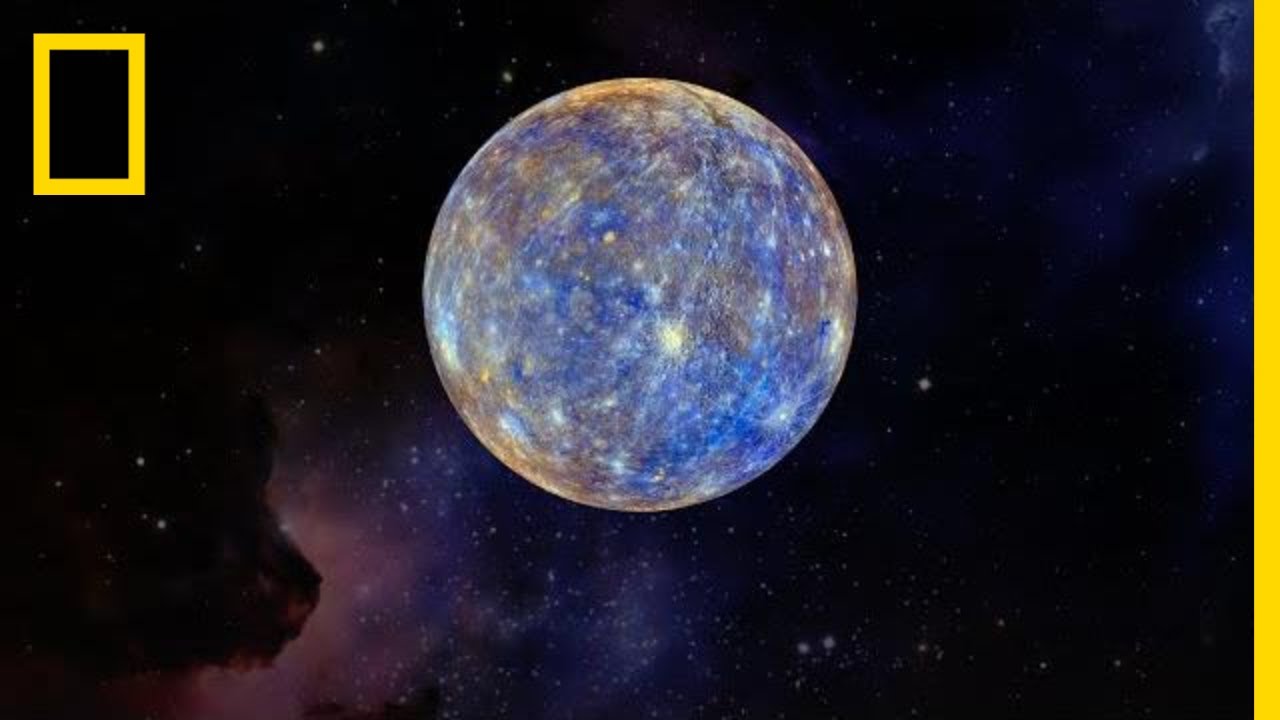
    The solar system's smallest planet was named after the Roman god Mercury (the Greeks' Hermes), the swift messenger, as the ancients observed Mercury's quick revolutions around the Sun—a result of its proximity to the Sun's gravity. With a 3,000-mile diameter, Mercury is roughly the size of the continental United States. A terrestrial (primarily solid land) planet like Earth, Mercury's inner core is filled with more iron than Earth's. As the iron cooled, Mercury shrunk, possibly contributing to the planet's diminutive shape. Its thin atmosphere allows for major temperature swings throughout its day. Watch a three-minute video overview here.

    Video

    Mercury 101: An intro to the nearest planet to the sun

  • Evidence for a ninth planet in our solar system

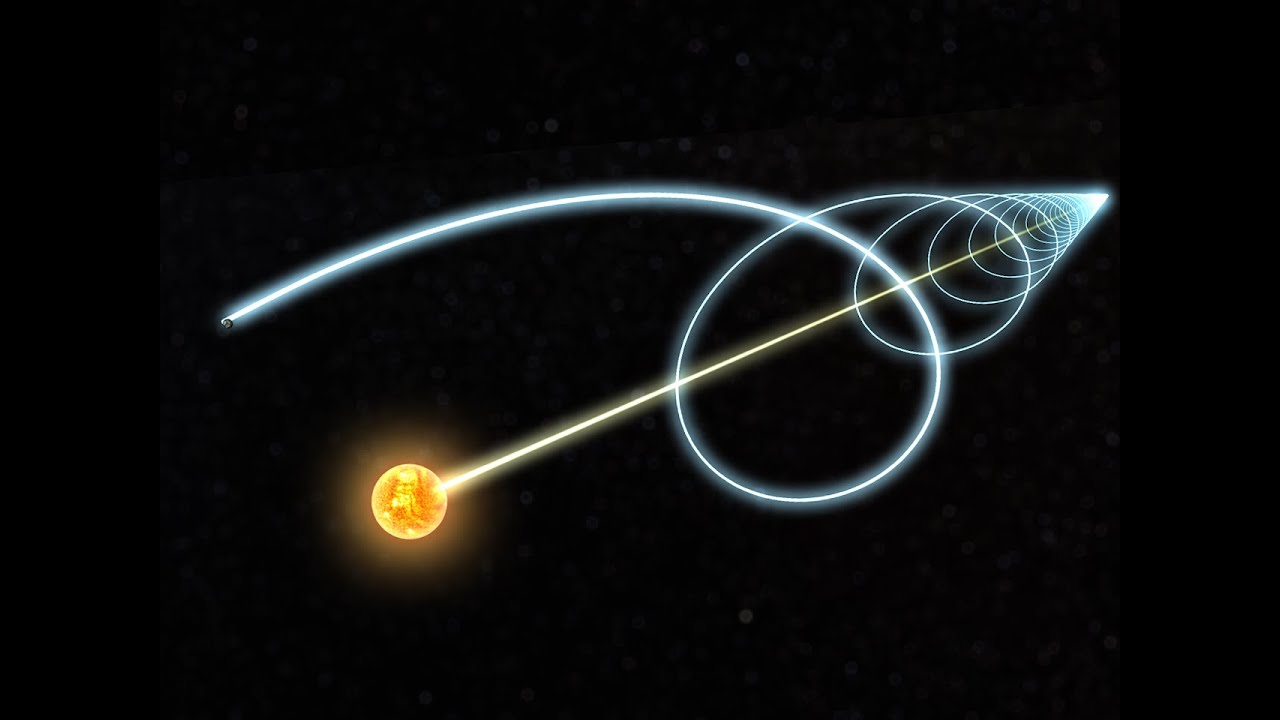
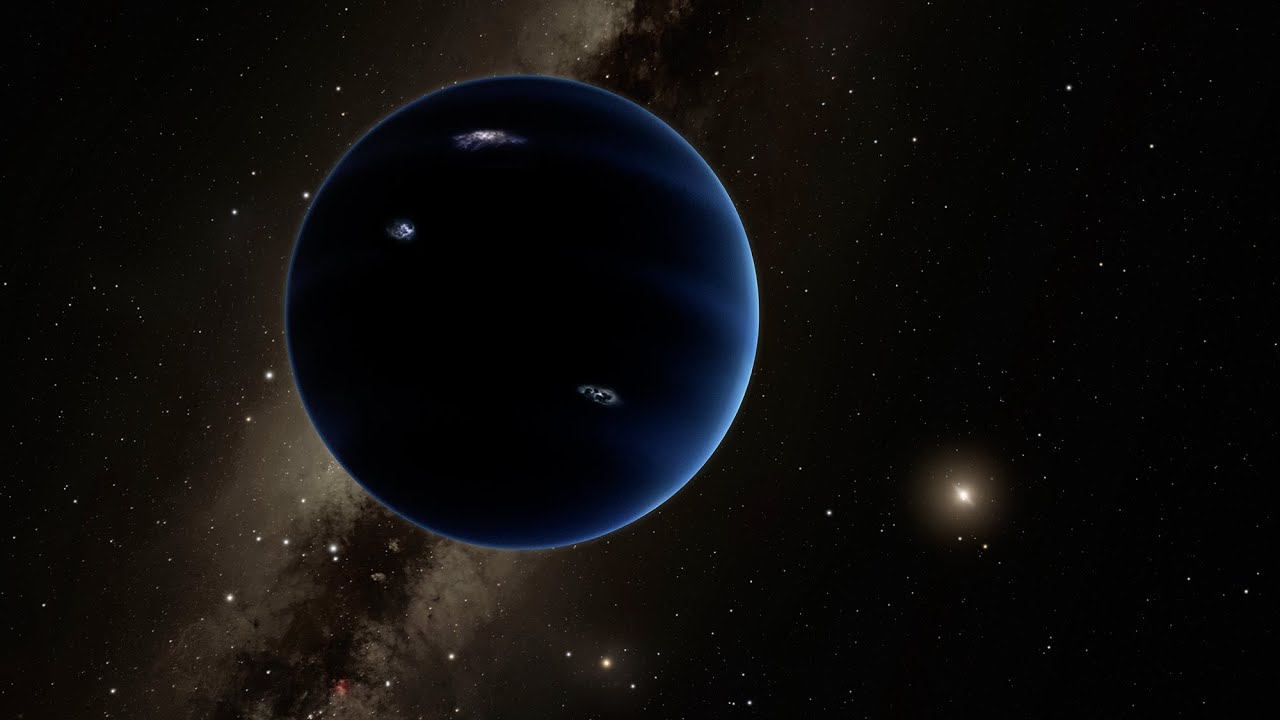
    Is there a massive ninth planet on the edge of our solar system? Many of our solar system's most distant objects tend to swing out in one direction, hinting at evidence for a previously unknown ninth planet potentially larger than Earth. This theoretical planet's orbital period is estimated to be roughly 20,000 years, revolving around the sun at a distance of 60 billion miles. Experts break down the evidence in this quick video.

    Video

    Evidence for a ninth planet in our solar system

  • The ride of your life: How Earth moves

    As stable as Earth feels, our planet is always moving: it's rotating on an axis, revolving around the Sun at the center of its orbit, and through space within the solar system and broader Milky Way galaxy. All these movements occur in a mostly regular way and provide reference points for our record of time: days (rotation), months (lunar cycle), and years (revolution around the Sun). But these patterns aren't quite exact, with the length of a day just a little over 24 hours. This quirk has resulted in some surprising calendar bloopers over the centuries, including September 1752, in the United Kingdom, where 11 days were removed.

    Video

    The ride of your life: How Earth moves

  • How Saturn got its rings

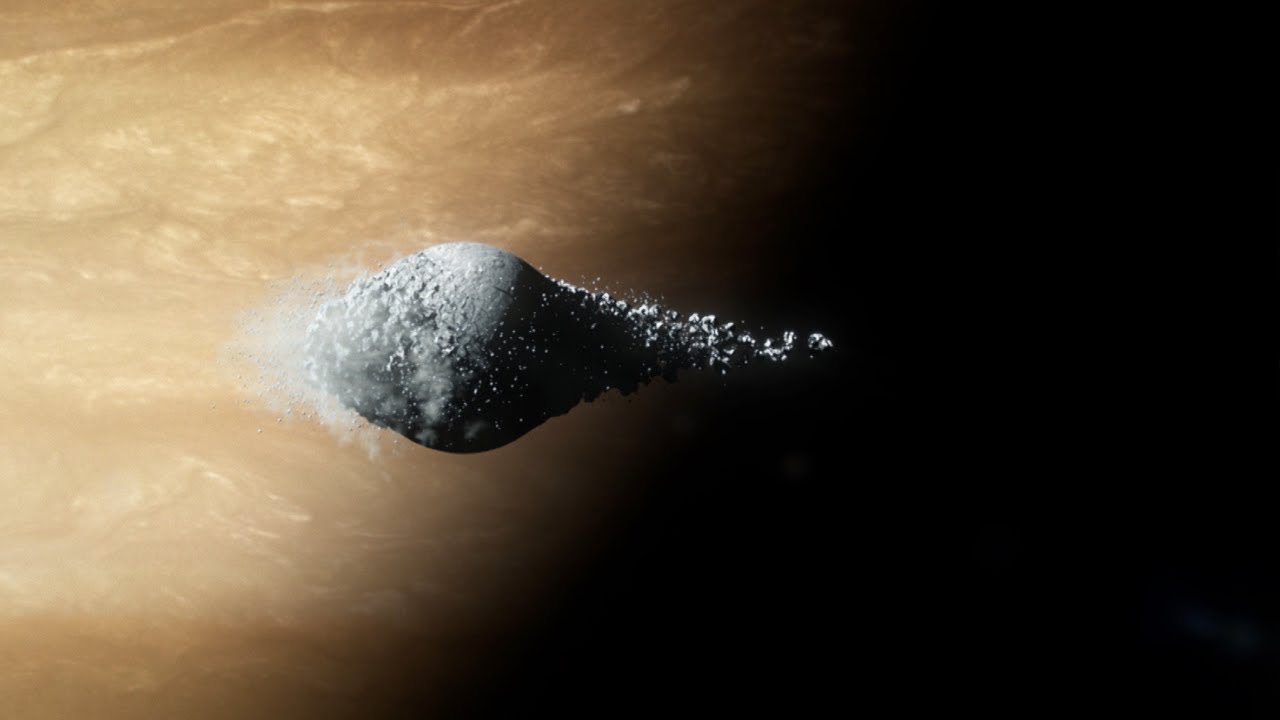
    The "jewel" of our solar system didn't always have its striking rings. Millions of years ago, a likely icy moon orbited Saturn just a little too closely, reaching the planet's so-called Roche limit, the boundary where the planet's gravity pulls a satellite apart. An estimated 17,000 trillion tons of ice likely exploded into Saturn's orbit over just a few days, suddenly creating what today is clearly seen as the planet's stunning rings. Watch this dramatic animated visualization showing how the process might have looked millions of years ago.

    Video

    How Saturn got its rings

  • NASA's Mercury overview

    Mercury, the closest planet to our solar system's sun, has an orbit of roughly 88 Earth days, and is not the hottest planet in the solar system (that title goes to Venus and its dense atmosphere). From Mercury's surface, the light of the sun appears 11 times brighter than from Earth, and the Sun itself would appear three times as large. Since Pluto's demotion to dwarf planet, Mercury now claims the smallest planet moniker, coming in only slightly larger than Earth's moon. Explore NASA's official page on Mercury here.

  • The most mysterious (known) star in the universe

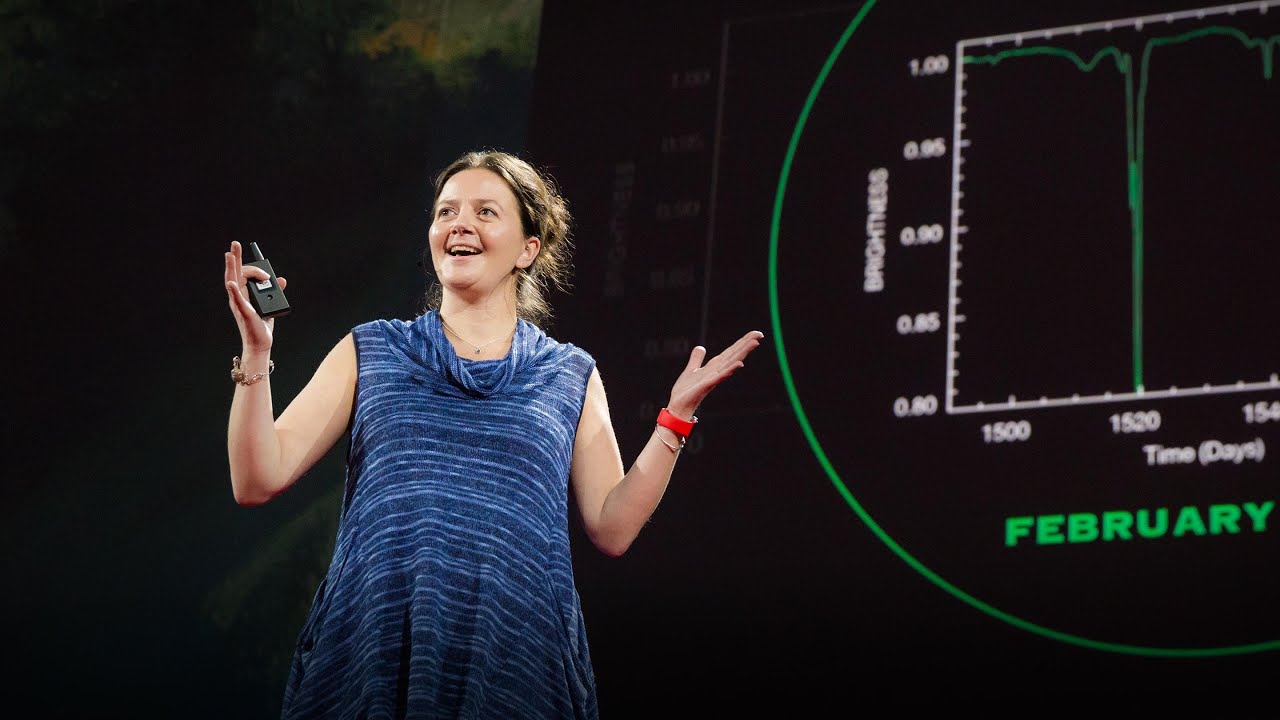
    Something massive, with roughly 1,000 times the area of Earth, is blocking the light coming from a distant star known as KIC 8462852. One of astronomers' more intriguing theories: Alien technology. Discovered via NASA's Kepler space telescope and a...

    Video

    The most mysterious (known) star in the universe

Next page

Explore Space

From roughly 60 miles above the Earth's surface to farther than light has traveled during the entire age of the universe, space has captured human imagination for millennia. Explore the final frontier with the best resources curated from across the internet.

View All Space