Moon

1440 Findings

Hours of research by our editors, distilled into minutes of clarity.

  • An oral history of the 1969 moon landing

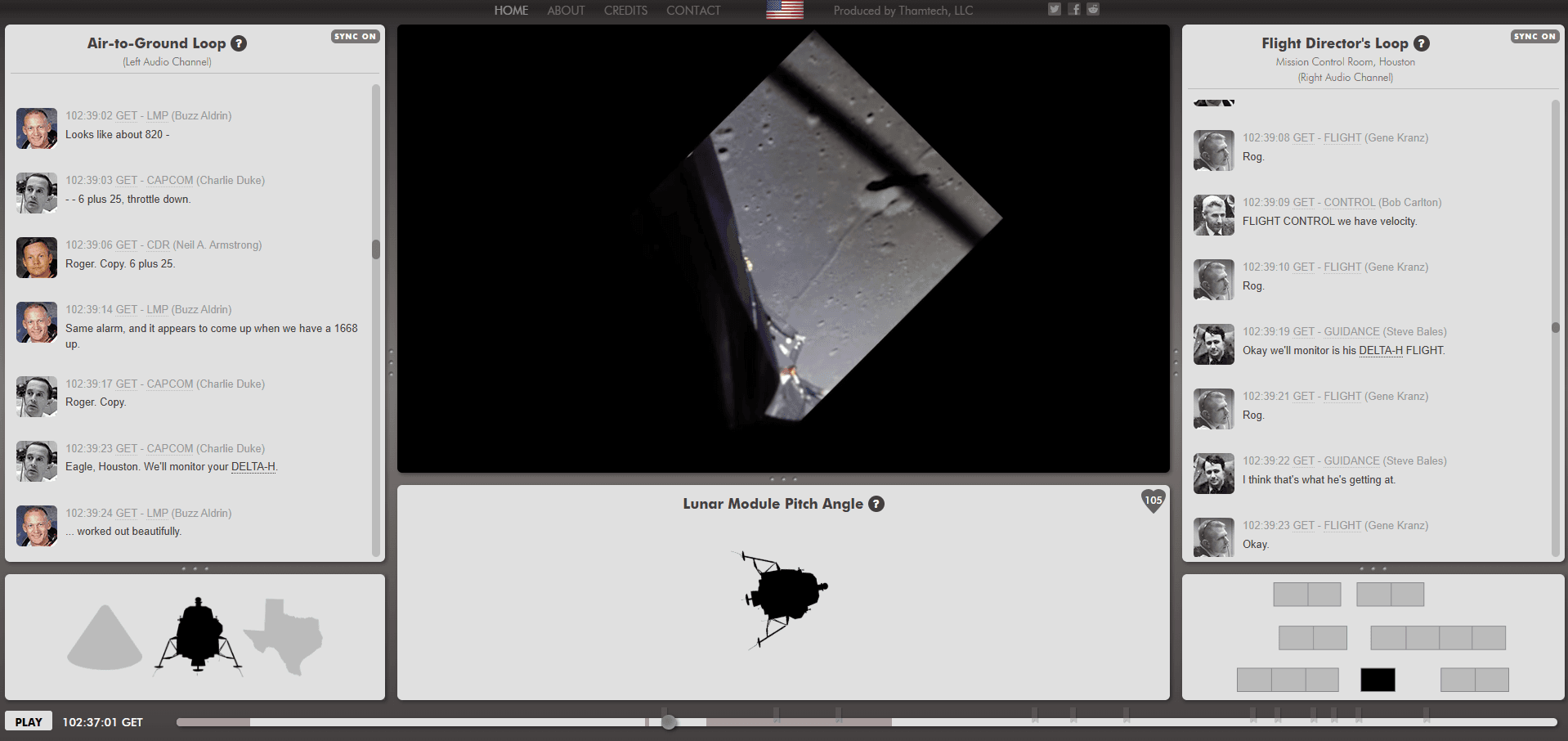
    Twelve Central Illinois residents are asked to share their thoughts on where they were when the first people landed on the Moon. This almost one-hour program is a collaboration of Eastern Illinois University's Booth Library, the EIU Department of History, and WEIU, and it premiered at EIU's Booth Library, January 24, 2019.

    Video

    An oral history of the 1969 moon landing

  • The phases of the moon, explained

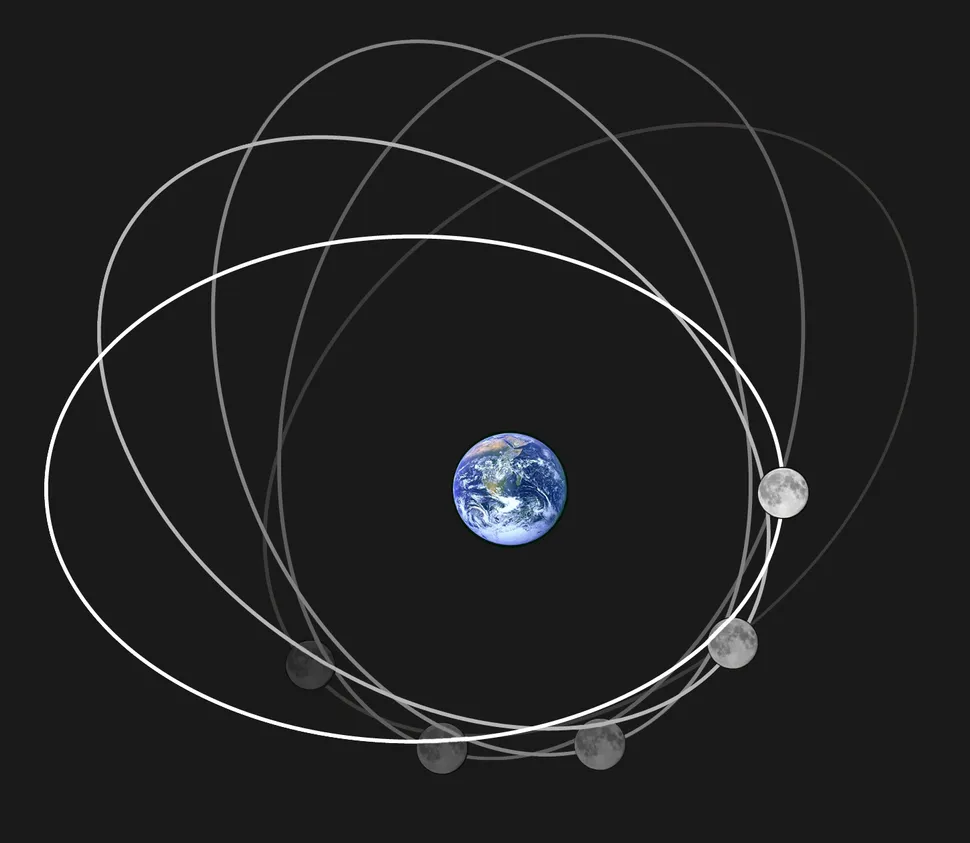
    Moon phases are caused by the sun's light illuminating different portions of the moon's surface. The moon has a day side and a night side, which change as it rotates. The phases—from new moon to waning crescent—occur as the moon travels through its orbit, with each phase revealing a different amount of the illuminated side. The moon's orbit and Earth's tilt contribute to additional motions and phenomena, such as libration and earthshine. Additionally, the moon can be visible during the day, particularly during the first and last quarter phases. This illustrated article accessibly explains this basic celestial phenomena.

  • The race to build a permanent lunar base

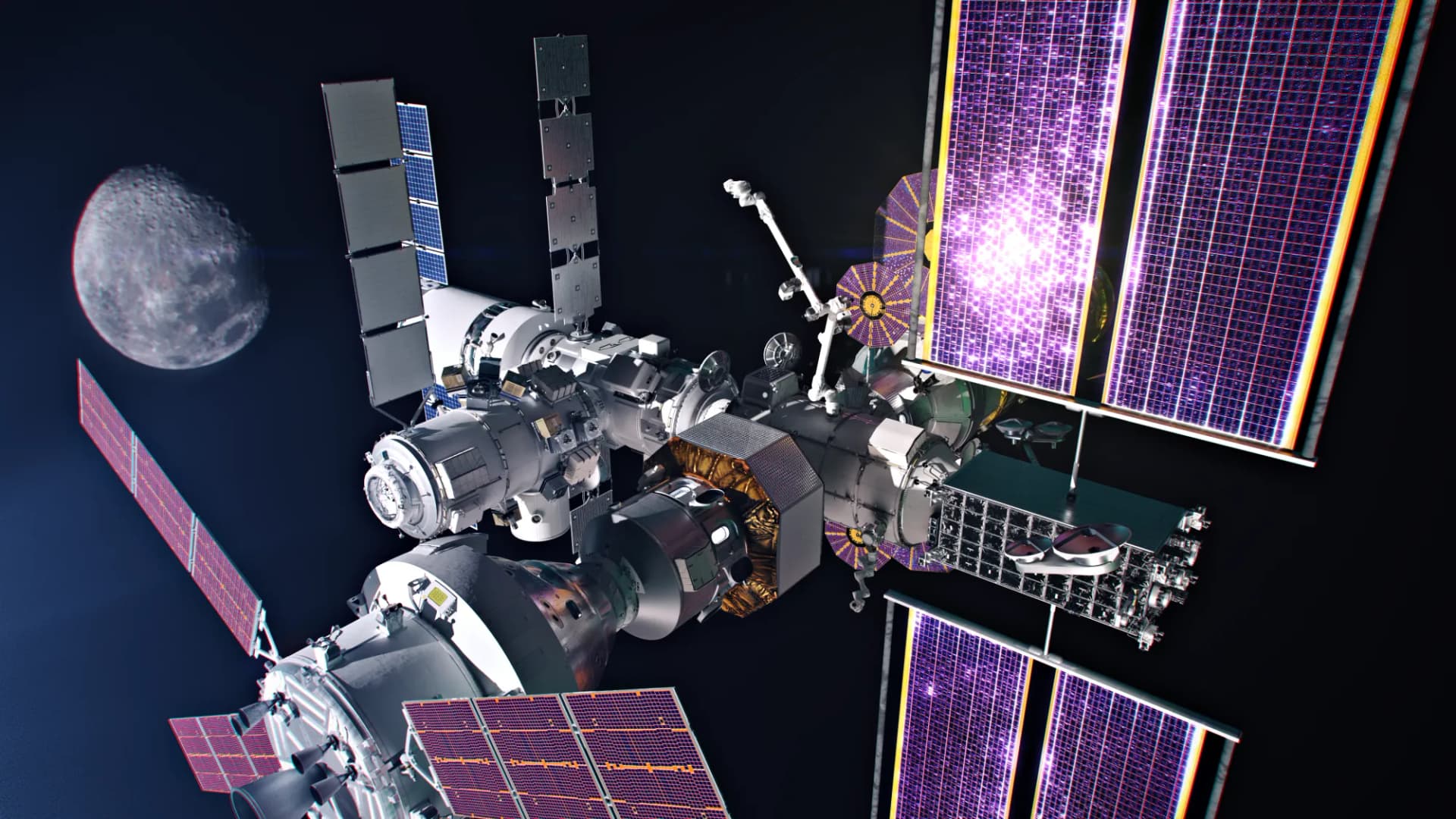
    NASA's Artemis mission—the first to return humans since 1972—aims to explore the moon's water-rich south pole. Finding water is a crucial goal of NASA's Artemis program, which aims to establish a permanent, sustainable human habitat on the moon. NASA also hopes to create a refueling station by using water as a rocket propellant as well as nuclear reactors and solar farms to sustain astronauts. Obviously, significant challenges remain. This article captures the current status of plans to build a lunar base.

  • A map of the moon, using lidar

    When planning to land on the moon, knowing the topography matters. This map of the lunar surface was created by using 6 billion measurements from NASA's Lunar Orbiter Laser Altimeter, a type of lidar. Check out the technically accurate depths of craters and ancient oceans on our beloved lunar neighbor with this fun, impressive map.