Astrophysics

Overview

Human exploration of the universe is progressing at an exciting pace, with regular advancements in the tools we use to study black holes, stars, quasars, and much more. Dive into some of the most mind-blowing observations and theories about physical reality with our curated resources on the physics of celestial objects.

1440 Findings

Hours of research by our editors, distilled into minutes of clarity.

  • How did the moon form?

    That familiar orb in our night sky must have come from somewhere. The most widely accepted theory about the Moon's origin is the giant-impact theory, suggesting the Moon formed as a result of a massive collision between early Earth and another small planet named Theia. Analysis of samples brought back from the Apollo missions revealed chemical similarities between the Earth and Moon, supporting this theory. The Moon's formation stabilized Earth's orbit and reduced polar motion, contributing to our planet's relatively stable climate. In this piece, planetary scientists weigh in on the best theories explaining the origins of the moon.
  • How do scientists study far away stars?

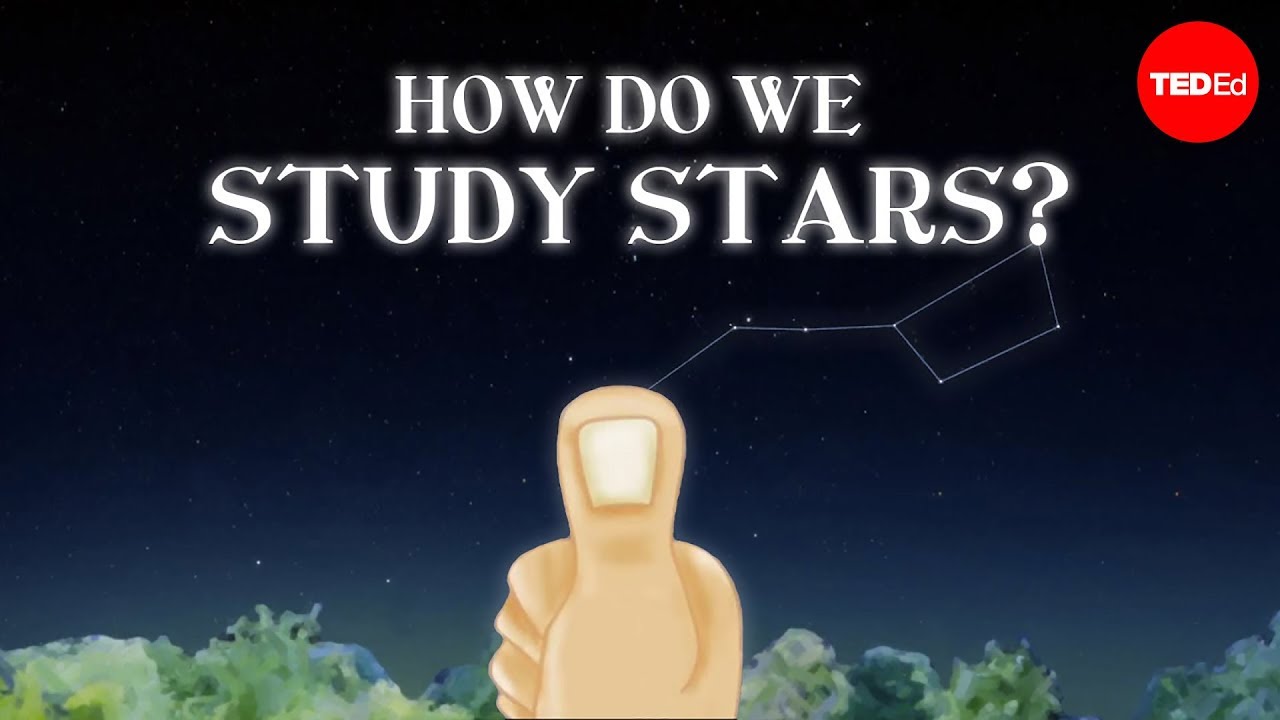
    Astronomy is the only science that is purely observational: meaning, scientists can't study stars in a lab. Here's a breakdown of how modern researchers use new tools to understand objects billions of light years away. As it turns out, the rules of science allow us to identify, categorize, and experiment with phenomena light years away.

    Video

    How do scientists study far away stars?

  • Explaining 'impossible' black holes

    When stars collapse, the black holes they form can have the mass of either 50 suns or over 120—but current models claim strongly that no black hole should have a mass that falls in between that range. But in 2019, gravitational wave observatories detected two within it: one at 66 solar masses, the other at 85. The discovery disrupted established science and left researchers questioning the Standard Model of physics.

  • Defending Earth against asteroids

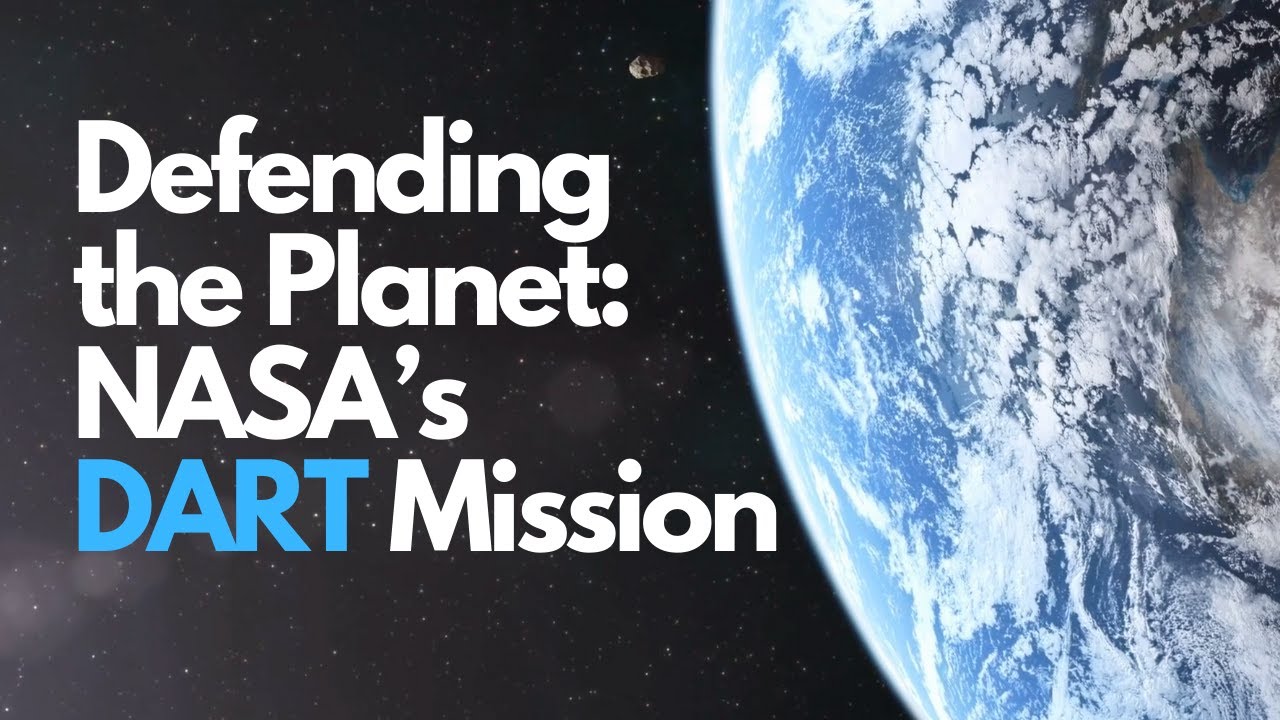
    This three-minute video overview explains NASA's ambitious test to slightly alter the course of an asteroid by slamming a fast-moving space probe into its surface. Scientists hope to one day, if needed, use the technique to protect Earth from an asteroid impact.

    Video

    Defending Earth against asteroids

  • The rare exoplanets orbiting distant pulsars

    Pulsars are ridiculously volatile, massive, and super-dense. These objects are spread out around the universe, and their spinning magnetic fields blast out radioactive pulses. Rarely, some have planets orbiting them. There's not much hope for life there—pulsars emit regular deadly radiation—but they're still fascinating from a scientific perspective. This article further explores these amazing exoplanets.

  • How big is a supernova explosion?

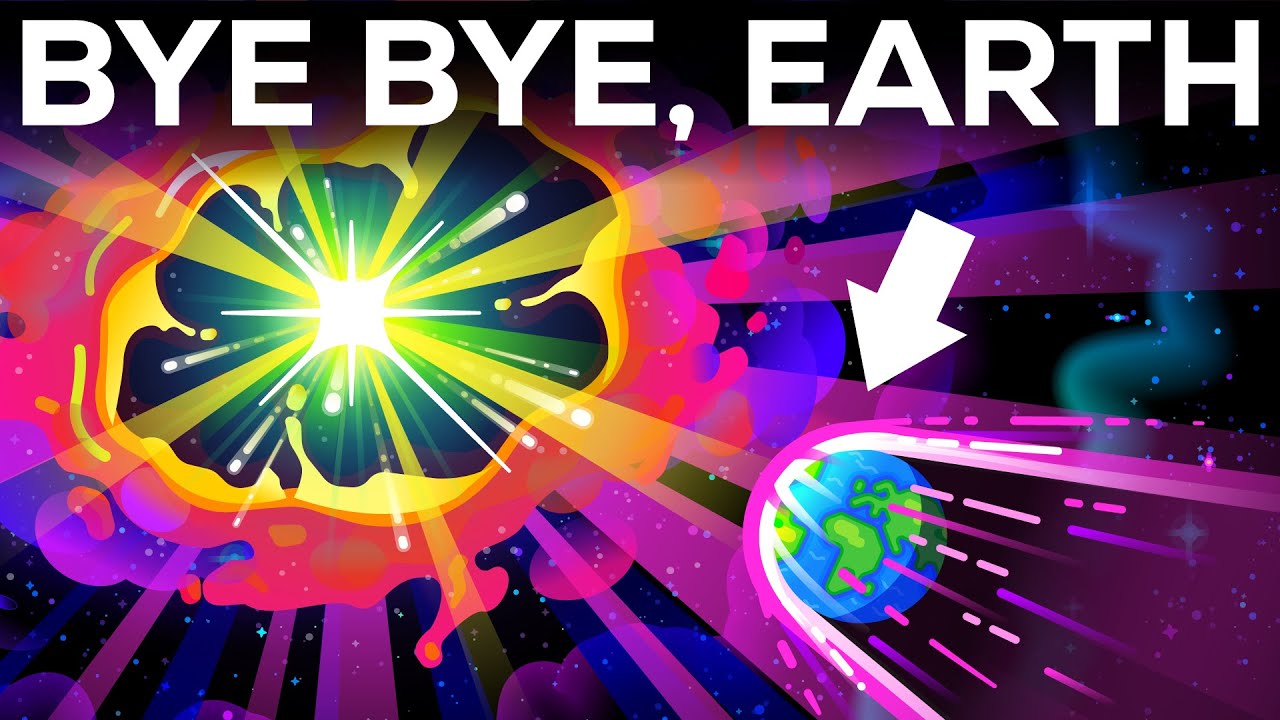
    Supernovas are the biggest explosions in the universe, often obliterating the area surrounding them. So what would happen if one exploded near Earth? If the sun went supernova it'd be like getting hit by a nuclear explosion every second for weeks. Of course, that's not happening anytime soon. This animated video shows how distance is the key factor, and how you shouldn't be worried.

    Video

    How big is a supernova explosion?

  • Ring galaxies, the rarest kind in the universe

    Galaxies come in different sizes, but when it comes to shapes there are just four kinds: spiral, elliptical, irregular, and the rarest kind, ring. Ring galaxies only form in the event of a small galaxy passing through a large one, but there's more to them that that. This page explores these rare and beautiful heavenly bodies.

  • See a dying star in different wavelengths

    The Crab Nebula is the remnants of a dying star that went supernova . First spotted a thousand years ago by Chinese and Japanese astronomers, and likely Native Americans as well. Its original bright light has long since faded, but you can see it in different light wavelengths through this interactive website.

  • Meet the Earth's 'radiation donuts'

    Radiation donuts might summon up a certain television cartoon character's favorite snack, but they're something else entirely. Also known as Van Allen belts, these zones of radiation arise from charged particles emitted from the sun and subsequently captured by the Earth's magnetic field. Understanding the underlying physics of the Van Allen belts is critical to modern-day telecommunications.

Next page

Explore Space

From roughly 60 miles above the Earth's surface to farther than light has traveled during the entire age of the universe, space has captured human imagination for millennia. Explore the final frontier with the best resources curated from across the internet.

View All Space