Art Heists

1440 Findings

Hours of research by our editors, distilled into minutes of clarity.

  • Pinned

    Stolen art is often ransomed instead of resold

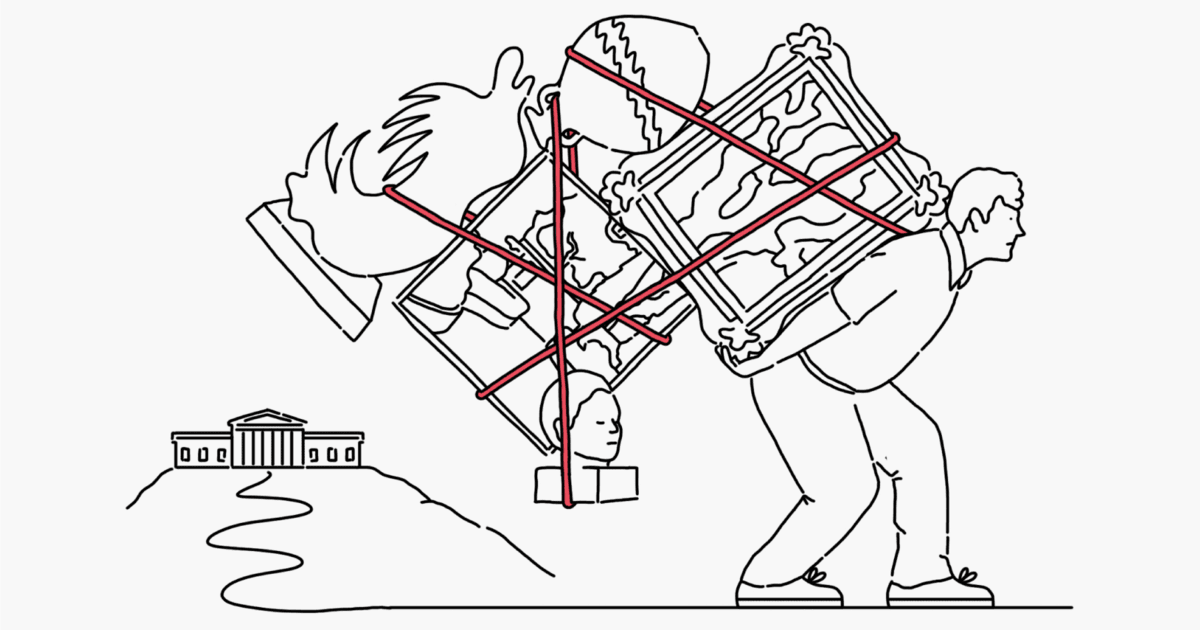
    Thieves take advantage of museums, insurance companies, and private owners who are blackmailed into paying millions for the safe return of their belongings. The practice, called "artnapping," occurs because stolen art is too dangerous for collectors to purchase. The perpetrators often have no interest in holding onto pieces, but museums are desperate to retrieve these valuable historic and cultural treasures.

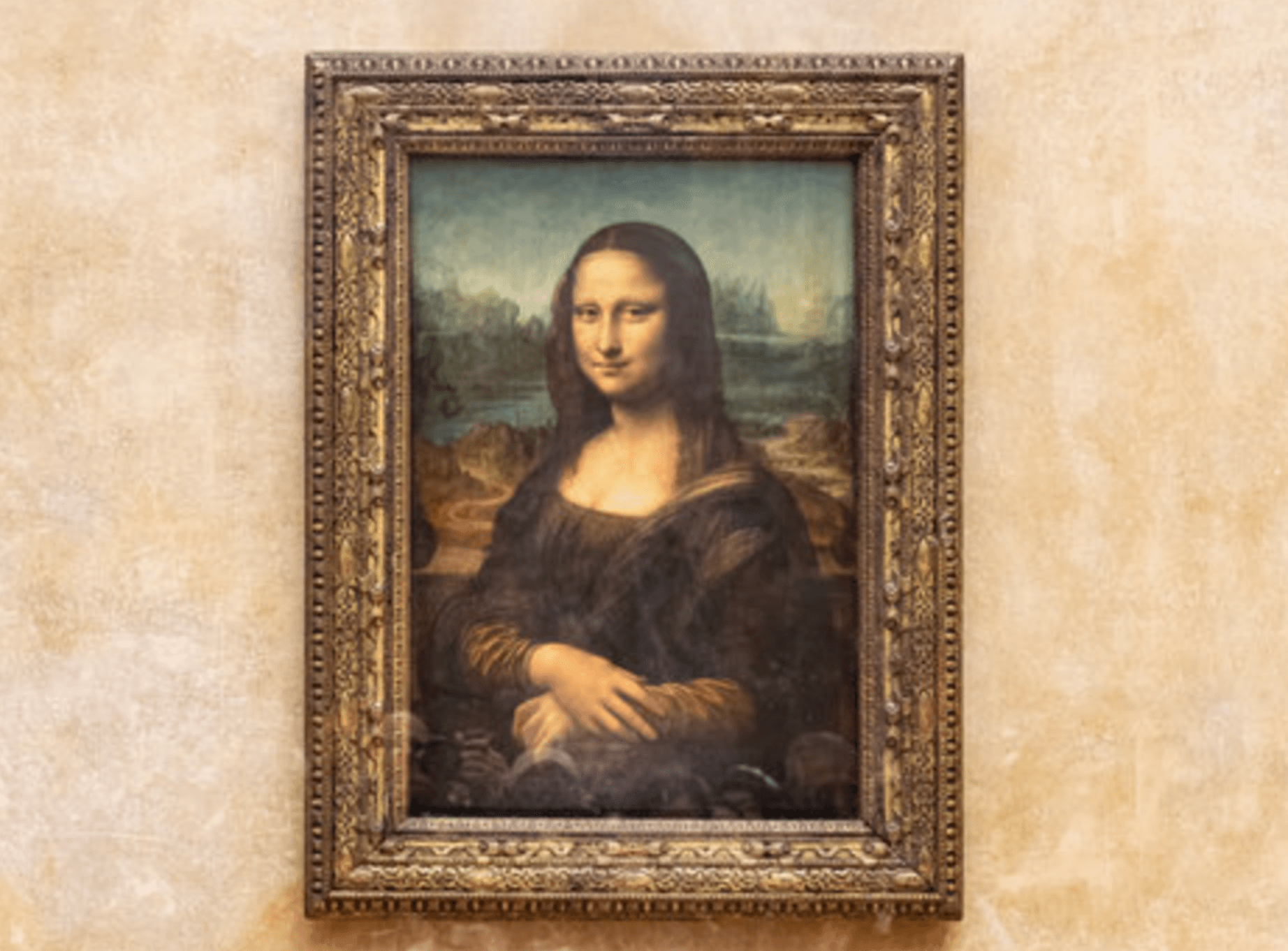
  • Why can't we see Mona Lisa's eyebrows?

    The world's most famous painting is missing something. And it took centuries for experts to figure out what.

    In this episode, August Moon investigates what happened to the Mona Lisa's eyebrows—analyzing infrared scans, tracking 500 years of restoration, and examining a forgotten copy from Leonardo's studio. But he uncovers something bigger: what we lost after the 1911 theft that has nothing to do with the painting leaving the Louvre.

  • Stolen art is often ransomed instead of resold

    Thieves take advantage of museums, insurance companies, and private owners who are blackmailed into paying millions for the safe return of their belongings. The practice, called "artnapping," occurs because stolen art is too dangerous for collectors to purchase. The perpetrators often have no interest in holding onto pieces, but museums are desperate to retrieve these valuable historic and cultural treasures.

  • Art theft is the third-largest source of criminal revenues worldwide

    The market value of art is entirely subjective, allowing paintings to be worth millions while also being lightweight and easy to smuggle. However, most successful heists are the result of luck and don't include a plan for selling. The smartest option for robbers is typically the less famous painting, as it won't be as difficult to sell as the Mona Lisa.

Explore Human Interest

View All Human Interest