Posted by Meher QazilbashMar 24The United Nations was founded in San Francisco in 1945.Show 2 more findings 16:32Founding of the United Nations - San Francisco 1945 | Archives | United NationsUnited Nationshttps://www.youtube.com/watch?v=sG_4eCxIUeM
Posted by Meher QazilbashApr 15The formation of the UN elevated the US on the world stage This podcast episode of "To the Best of My Ability" from the National WWII Museum goes behind the scenes of the United Nations' founding from the American perspective. It explores how FDR's vision for global peace took shape, how Truman carried it forward, and how Eleanor Roosevelt helped define human rights—set against the backdrop of wartime diplomacy, Cold War tensions, and the San Francisco Conference, where the UN Charter was signed. ZoomEpisode 4 – Charter into Deedshttps://www.nationalww2museum.org/war/podcasts/best-my-ability/season-1-archive/episode-4-charter-deeds
Posted by Meher QazilbashApr 15The 1941 Atlantic Charter was a World War II alliance and model for the UNThe Atlantic Charter was a pivotal 1941 agreement between Franklin D. Roosevelt and Winston Churchill, outlining shared goals for a post-World War II world rooted in freedom and self-determination. These ideals later inspired the founding principles of the United Nations. 12:04The Atlantic Charter: Hope for a New Worldhttps://www.youtube.com/watch?v=VSKo4UHX7so
Posted by Jeremy CronigMar 20See a visual record of how Roosevelt helped build the United NationsWhen President Truman appointed Eleanor Roosevelt to the first US delegation to the UN in 1946, her male colleagues assigned her to a minor committee, assuming she would play a minor role. In the end, she became one of the delegation's most effective negotiators—and chaired the drafting of the Universal Declaration of Human Rights.Eleanor Roosevelt and the United Nations - Google Arts & CultureGooglehttps://artsandculture.google.com/story/eleanor-roosevelt-and-the-united-nations-u-s-national-archives/RAWBRWzRig8A8A?hl=en
Posted by Meher QazilbashApr 15How Stalin, Roosevelt, and Churchill shaped the postwar world The Yalta Conference was a pivotal 1945 meeting between Allied leaders that helped shape the postwar global order and laid the groundwork for the founding of the United Nations. 3:32Reel America: "The Yalta Conference" - 1945https://www.youtube.com/watch?v=KkZFlp9H4H0
Posted by Meher QazilbashMar 25, 2025Watch the historic treaty signing that established NATO in 1949NATO was created with the signing of the North Atlantic Treaty on April 4, 1949, in Washington, DC. The clip embedded in the webpage includes a newsreel with an excerpt from US President Harry Truman’s speech celebrating the historic day. 2:24https://www.youtube.com/watch?v=y_6B9baubl0
Posted by Jeremy CronigMar 20President Harry Truman appointed Roosevelt as one of the first US delegates to the United NationsAfter FDR's death in 1945, Roosevelt joined the delegation to the newly established United Nations. She was the only woman among the General Assembly delegates and was unanimously elected to chair the UN Commission on Human Rights.First Lady Delegate: Eleanor Roosevelt and the U.N. - National Archives FoundationNational Archiveshttps://archivesfoundation.org/newsletter/first-lady-delegate-eleanor-roosevelt-and-the-u-n/
Posted by Meher QazilbashSep 16, 2025Key milestones in the history of the World Health Organization The World Health Organization, a UN agency founded in 1948, was first proposed at the 1945 UN Conference to coordinate global health efforts. This interactive timeline marks the WHO’s 75th anniversary with major public health milestones. ZoomPublic health milestones through the yearsWorld Health Organizationhttps://www.who.int/campaigns/75-years-of-improving-public-health/milestones#year-1945
Posted by Jeremy CronigApr 13The Bretton Woods conference in 1944 created the foundations of the modern global economyIn July 1944, 44 nations gathered in Bretton Woods, New Hampshire, to create a new postwar economic order. The conference led to the creation of the IMF and the International Bank for Reconstruction and Development—now known as the World Bank. 1:35https://www.youtube.com/watch?v=GVytOtfPZe8
Posted by Meher QazilbashApr 15The League of Nations was the predecessor to the UN—and the US never joinedThe League of Nations—established in 1920 after World War I—was the first global organization aimed at maintaining world peace. Although US President Woodrow Wilson championed its creation, the United States never joined.Milestones in the History of U.S. Foreign Relations - Office of the Historianhttps://history.state.gov/milestones/1914-1920/league
Posted by Meher QazilbashApr 28Experts suggest where the UN should be reformedIn 2020, as the United Nations marked its 75th anniversary, the Council on Foreign Relations' Council of Councils published a collection of expert essays proposing reforms to enhance the UN's relevance. This collection of essays is a thought-provoking look at the UN's future. ZoomThe UN Turns Seventy-Five. Here's How to Make it Relevant Again.https://www.cfr.org/councilofcouncils/global-memo/the-united-nations-at-eighty-reform-for-a-new-geopolitical-era/
Posted by Meher QazilbashSep 16, 2025A look behind the scenes of the UN General AssemblyThis behind-the-scenes look at the 2015 UN General Assembly offers a unique perspective on what it takes to run one of the world’s most complicated and important diplomatic events. Following four staffers—including a youth advocate and an interpreter—the video captures the energy, pressure, and coordination behind the scenes. 9:34Behind the scenes of the UN General AssemblyUnited Nationshttps://www.youtube.com/watch?v=XvKpnRPosek
Posted by Jeremy CronigMar 20Roosevelt chaired more than 3,000 hours of debate to produce the Universal Declaration of Human RightsRoosevelt led the drafting committee for the Universal Declaration of Human Rights, guiding representatives from 18 nations through debate on conflicting ideas about rights, government, and citizenship. The General Assembly unanimously adopted the final document in December 1948.Eleanor Roosevelt, and The Universal Declaration of Human Rights - It Was Saidhttps://open.spotify.com/episode/0u8cYf6PXdp3fZjToAX4uh
Posted by Teddy BurkhardtMar 20Learn about the history of the Universal Declaration of Human RightsThe Universal Declaration of Human Rights was adopted by the UN General Assembly in 1948. This video explains the history, purpose, preamble, and all 30 articles of the UDHR, which established a universal human rights standard for people worldwide. 6:10Universal Declaration of Human Rightshttps://www.youtube.com/watch?v=5RR4VXNX3jA
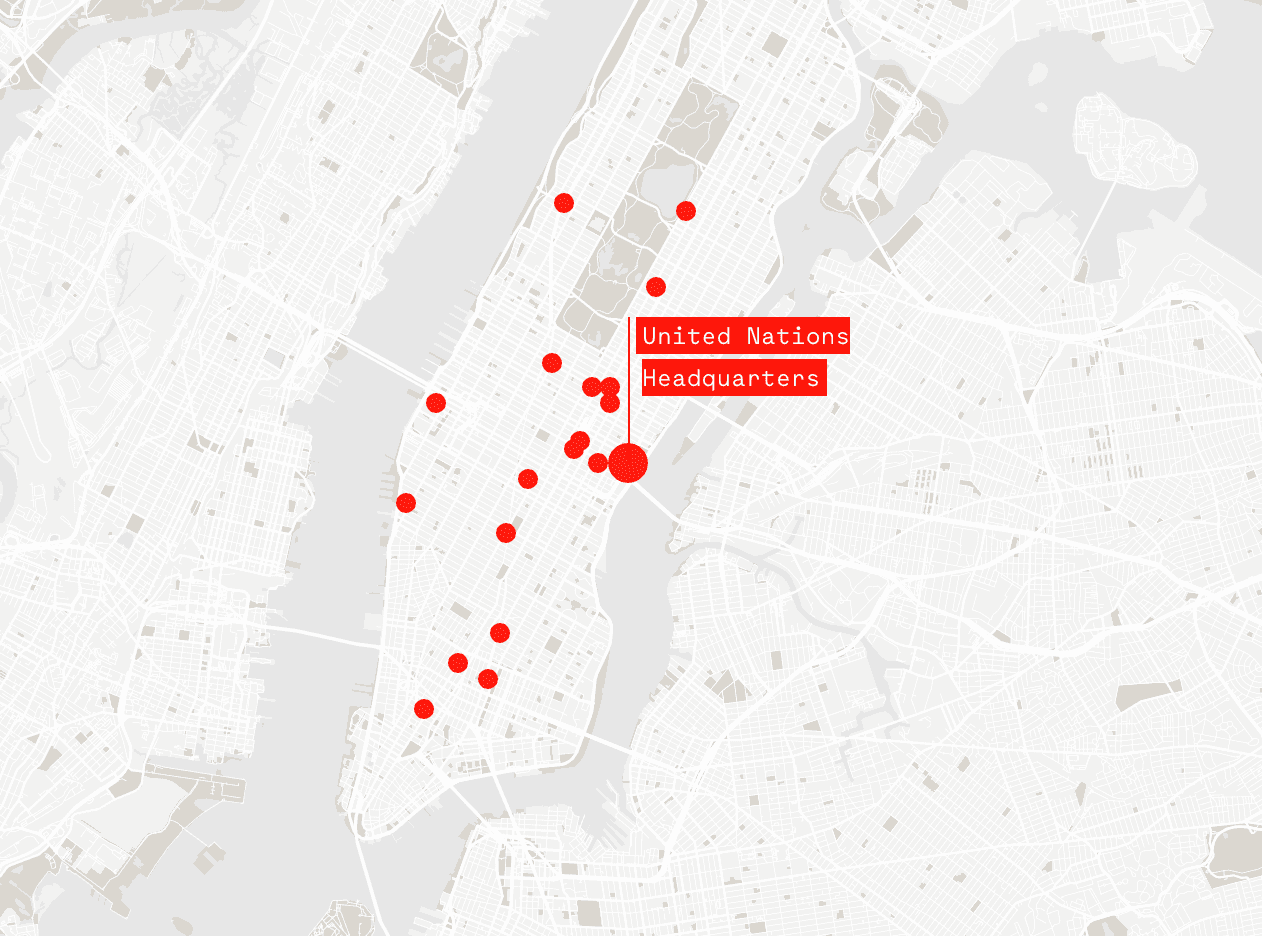
Posted by Meher QazilbashSep 16, 2025The UN in NYC is an international zone belonging to all member-statesThe four primary buildings are located on an 18-acre site on the East Side of Manhattan. The complex has its own postal administration, fire department, and security forces. ZoomUnited Nations Headquarters | Architectuulhttps://architectuul.com/architecture/united-nations-headquarters
Posted by Jeremy CronigJan 31Franklin D. Roosevelt's 1941 speech framed World War II as a global fight for universal rightsEleven months before the attack on Pearl Harbor, President Roosevelt outlined four fundamental freedoms that, in his words, people "everywhere in the world" ought to enjoy—speech, worship, freedom from want, and freedom from fear. 2:37FDR Presidential Library and Museumhttps://www.youtube.com/watch?v=qrNDwyj4u1w
Posted by Meher QazilbashSep 16, 2025A majority in surveyed countries approve of the UNA 2024 Pew Research Center survey found that a median of 58% across 35 countries viewed the UN favorably, while 31% held unfavorable views. Notably, younger adults tended to view the UN more positively than older generations. The report offers a detailed, country-by-country analysis of global perceptions of the UN. ZoomMost people in 35 countries see the UN favorably in 2024, but views have dipped in some placesPew Research Centerhttps://www.pewresearch.org/short-reads/2024/09/05/most-people-in-35-countries-see-the-un-favorably-but-views-have-dipped-in-some-places/
Posted by Meher QazilbashMar 24The UN's primary goal is to promote peace and cooperationThe UN's self-proclaimed mission is to promote peace, protect human rights, and tackle global challenges like poverty and climate change. The About Us page on the UN's website is a good entry point to understand how this international organization works and its impact in today's world.About Us | United NationsUnited Nationshttps://www.un.org/en/about-us
Posted by Meher QazilbashApr 15There are 6 primary governing bodies at the UNThe United Nations is structured around six main bodies: the General Assembly, Security Council, Economic and Social Council, Trusteeship Council, International Court of Justice, and Secretariat. Each plays a distinct role in promoting peace, justice, and cooperation worldwide. Main Bodies | United NationsUnited Nationshttps://www.un.org/en/about-us/main-bodies
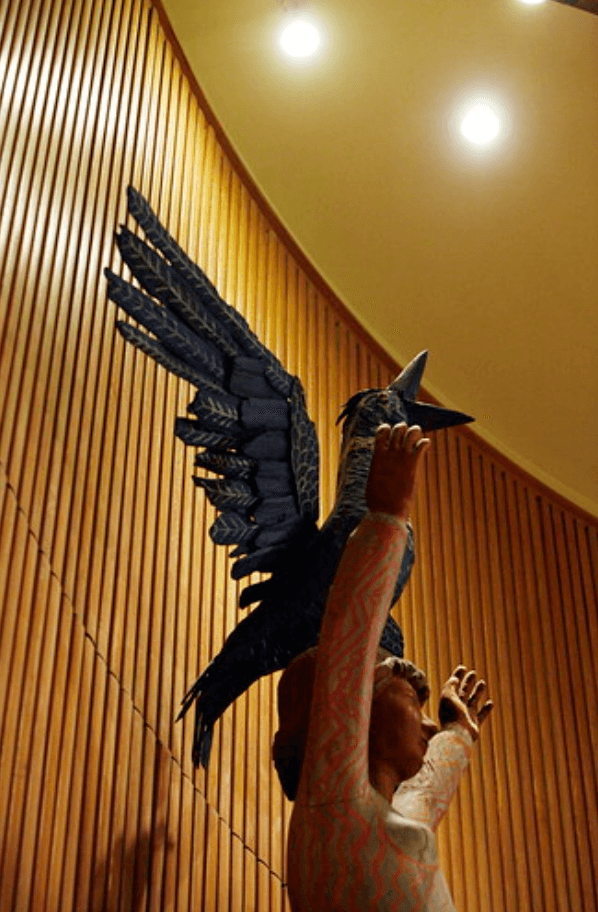
Posted by Meher QazilbashApr 15See a gallery of art and architecture at New York City's UN buildingThe group's nearly 200 member states have contributed art and cultural experiences to the New York campus since the building's founding in 1950. This gallery hosts hundreds of photos of the art on the premises. ZoomArt and Architecture at the UNhttps://www.flickr.com/photos/un_photo/albums/72157614476140796/with/6327249028
Posted by Meher QazilbashMar 24193 nations are members of the United NationsThe UN's Member States webpage provides an alphabetical list of all 193 member countries, along with the exact dates they were admitted. Take a look at how the UN has expanded over time and understand each nation's place in the global organization.Member States | United NationsUnited Nationshttps://www.un.org/en/about-us/member-states
Posted by Meher QazilbashSep 16, 2025Eleven architects collaborated to create the UN building in NYCRenowned leaders in the field, accustomed to control over their projects, had to work together to complete the building. This quick article explores the tensions and cooperation of the architects to complete the UN building. ZoomNiemeyer, Le Corbusier, and the History of the United Nations Headquarters Projecthttps://www.archdaily.com/1008326/niemeyer-le-corbusier-and-the-history-of-the-united-nations-headquarters-project
Posted by Kevin KearneyJul 23Comic-Con began in 1970 in the basement of a San Diego hotel, with just a handful of comic book enthusiasts sharing their wares.Show 4 more findings 22:06Comic-Con | From humble beginnings in 1970 to a global phenomenonCBS 8 San Diegohttps://www.youtube.com/watch?v=SFQWRouy0Sw
Posted by Marco Daniel MachadoApr 20View when each UN member signed the Montreal ProtocolAdopted in 1987 to phase out ozone-depleting substances, the agreement achieved universal ratification by all 197 UN member states, making it the first and only such international treaty in the UN's history.United Nationshttps://treaties.un.org/pages/ViewDetails.aspx?src=TREATY&mtdsg_no=XXVII-2-a&chapter=27&clang=_en#:~:text=with%20article%2015.-,Participant,-Signature
Posted by Meher QazilbashMar 10How a crew of hippies and nerdy teens in 1970 launched the global phenomenon of Comic-ConBrinke Stevens and nearly 50 early organizers recount assembling Comic‑Con in 1970s San Diego—starting with just 300 attendees in a hotel basement—and how that grassroots, inclusive mix of fans sparked an enduring and worldwide pop‑culture movement.COMIC-CON BEGINS: Origin Stories of the San Diego Comic-Con and the Rise of Modern Fandomhttps://open.spotify.com/show/3OzKpaW1DWhEDybl6xpfPw
Posted by Jeremy CronigMar 10The 1951 Refugee Convention established international refugee rights and state obligations amid mass World War II displacementThe international treaty defines refugee status and outlines refugees' entitled rights while establishing state obligations to protect them. The UNHCR explains the convention's significance in creating the legal framework governing refugee protection worldwide.https://www.unhcr.org/us/about-unhcr/overview/1951-refugee-convention
Posted by Teddy BurkhardtJun 30What are the human rights issues facing the world today?This video debates the modern relevance of the UN's Universal Declaration of Human Rights. The world has seen multiple examples of genocide, war crimes, and crimes against humanity since the document was signed over 70 years ago. Now, many... 24:45What are the human rights issues facing the world today? l Inside StoryAl Jazeera Englishhttps://www.youtube.com/watch?v=Ntdk3gwYLec
Posted by Marco Daniel MachadoMay 7The origin of the National Science Foundation and why World War II led to its foundingBefore World War II, research institutions were funded by endowments or private companies whose priorities stifled the curiosity-driven science that fueled significant breakthroughs and innovation. The NSF was established in 1950 to promote independent scientific progress through basic research, which is focused on knowledge acquisition rather than commercial applications, conducted at national colleges and universities. ZoomJSTORhttps://daily.jstor.org/science-in-war-science-in-peace-the-origins-of-the-nsf/
Posted by Jeremy CronigJan 31Franklin D. Roosevelt was the first president to use the term 'State of the Union'In 1934, President Roosevelt became the first president to formally call the annual address the "State of the Union," replacing the older title "Annual Message to Congress" and using the language from the Constitution.Council on Foreign Relationshttps://www.cfr.org/blog/ten-facts-about-state-union-address
Posted by Jeremy CronigJun 22The formal Japanese unconditional surrender that ended World War II took place on the deck of the USS Missouri in Tokyo Bay on Sept. 2, 1945.Show 4 more findings 8:48Japanese Sign Final Surrender in 1945https://www.youtube.com/watch?v=7fq3WRPr2qQ
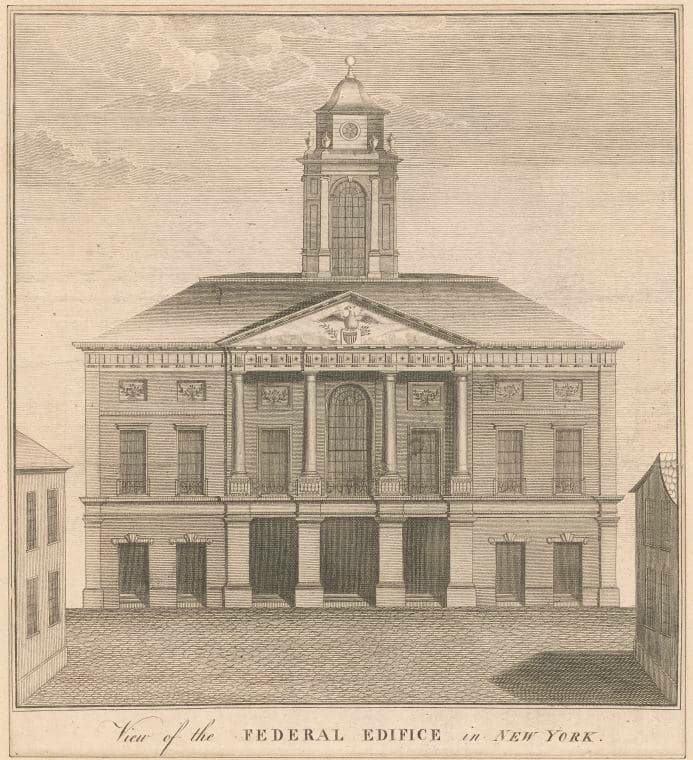
Posted by Jeremy CronigJan 31The State of the Union address was first delivered in New York CityThe first address took place in New York City in 1790, when President George Washington addressed Congress at Federal Hall—the nation's capital under the Articles of Confederation and the seat of the federal government during the Constitution's first year. ZoomGeorge Washington's Mount Vernonhttps://www.mountvernon.org/library/digitalhistory/digital-encyclopedia/article/first-annual-address-to-congress
Posted by Meher QazilbashJul 13The world rapidly decolonized after World War II, with roughly a hundred new countries emerging between 1945 and 1989.Decolonization isn't complete, as nearly 2 million people were living in UN-designated non-self-governing territories as of 2023.Show 2 more findings ZoomHow Did Decolonization Reshape the World?https://education.cfr.org/learn/reading/how-did-decolonization-reshape-world
Posted by Meher QazilbashApr 30NATO was formed in 1949 to deter Soviet expansion, prevent European militarism, and encourage political integration.Show 3 more findings ZoomA short history of NATONATO History | NATOhttps://www.nato.int/en/about-us/nato-history/a-short-history-of-nato
Posted by Meher QazilbashApr 15The 5 permanent Security Council members can veto resolutionsThe UN Security Council veto is a power held by its five permanent members—China, France, Russia, the UK, and the US—allowing any one of them to block resolutions, regardless of international consensus. It has been used over 300 times since the UN's founding. ZoomUN, Explained: The History of the United Nations Security Council Vetohttps://betterworldcampaign.org/peace-and-security/un-explained-the-history-of-the-united-nations-security-council-veto
Posted by Jeremy CronigMar 20Hear Eleanor Roosevelt speak about human rightsOn International Human Rights Day, Roosevelt addressed a TV audience to explain the importance of the Declaration of Human Rights. She discusses her work and plans to spread information about the United Nations' efforts. 2:41Eleanor Roosevelt Human Rights SpeechFranklin D. Roosevelt Presidential Library and Museumhttps://www.youtube.com/watch?v=9yzakVOdh6k
Posted by Teddy BurkhardtOct 9, 2025Wartime conferences exposed cracks in the US–Soviet allianceAt the Tehran, Yalta and Potsdam Conferences, Allied leaders coordinated WWII strategy—but deep disagreements over postwar Europe foreshadowed the Cold War. The USSR’s push for influence in Eastern Europe clashed with US and British calls for self-determination. 13:13The Big Three Conferences | Tehran, Yalta, Potsdam | WW2 Ends, Cold War Beginshttps://www.youtube.com/watch?v=q3mRScGa0f0
Posted by Meher QazilbashJul 16, 2025San Diego’s first Comic-Con was held in a basementThe first San Diego Comic‑Con—then called San Diego's Golden State Comic-Minicon—took place on March 21, 1970, in the basement of the US Grant Hotel and drew just 145 fans. ZoomSan Diego’s First Comic-Con Was Held in a BasementSmithsonian Magazinehttps://www.smithsonianmag.com/smart-news/san-diegos-first-comic-con-was-held-basement-180955891/
Posted by Meher QazilbashSep 16, 2025Tour the UN building in NYC with architect Michael WyetznerThe modernist building was meant to stand out among the New York skyline. It’s three primary buildings are distinct and were supported by millions in donations from philanthropists families like the Rockefellers. 9:04The UN Building Looks out of Place – And That Was The Point | Walking Tour | Architectural DigestArchitectural Digesthttps://www.youtube.com/watch?v=6rvdWJaG0pM
Posted by Jeremy CronigJan 31Television transformed the State of the Union, beginning with Harry TrumanIn 1947, President Truman delivered the first televised State of the Union address, marking the address's shift into the visual age and expanding the president's reach beyond radio to a national TV audience. 4:39Harry S. Truman Presidential Libraryhttps://www.youtube.com/watch?v=cGeuJxUeJjk