Good morning. It's Saturday, July 12, and we're bringing you the latest Society & Culture newsletter. Every week, we provide fascinating deep dives into the worlds of art, music, literature, film, food, sports, entertainment, and more.
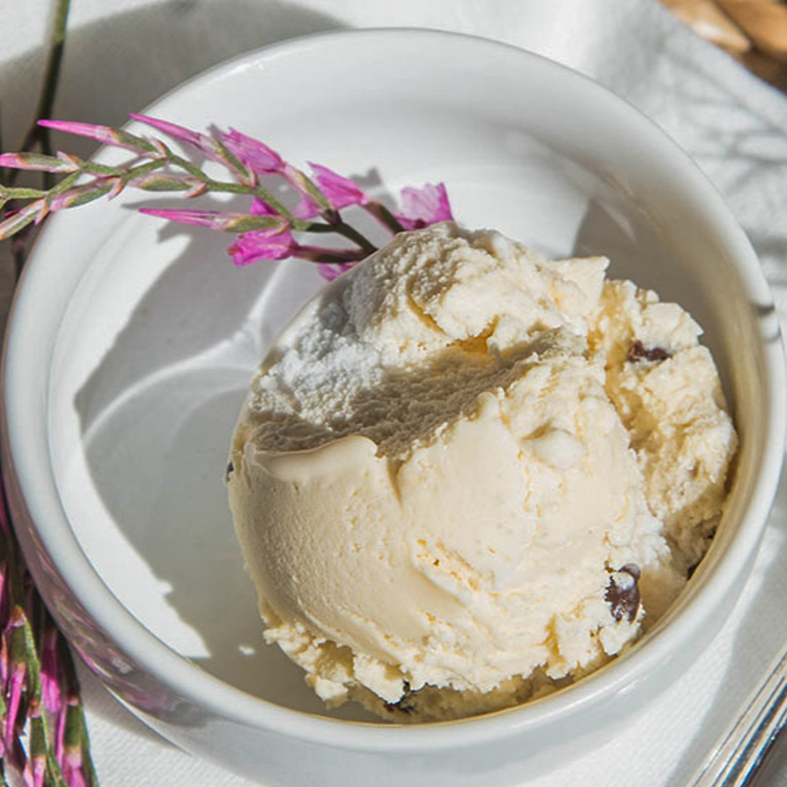
This week, we're covering ice cream, a perennial warm-weather delicacy. Now that summer's in full swing, we figured there was no better time to dig into the dessert's history and sustained social significance.
First time reading? Sign up here to join us every week. Feel free to send any feedback, questions, or suggestions to [email protected]. We look forward to hearing from you!
—Kevin Kearney, 1440 Society & Culture Section Editor |
|
|
Background
Whether it’s in a sundae, a cone, or blended into a shake, ice cream is one of the United States’ favorite indulgences—97% of Americans say they like or love the chilly treat.
Made by churning milk or cream (along with sweeteners and flavoring agents like vanilla) at low temperatures until producing a rich frozen foam, US ice cream production hit 1.31 billion gallons in 2024, with the average American eating a whopping 19 pounds.
An Ancient Treat
While ice cream’s exact origins are hard to pin down, frozen dairy desserts have a history dating back to ancient China: Seventh-century documents refer to a frozen milk dish, which eventually evolved into a soft blend of buffalo milk, flour, and fragrant camphor oil that many consider the earliest version of ice cream.
Around 800 CE, Arab conquerors of the Persian Empire began mixing dairy into the syrup-infused cold treat sharbat, as well as rock salt and ice. Historians believe trade along the Silk Road spread an appreciation for the cold treat. In the 16th century, the Italians concocted their take on the dessert, leading to sorbetto. Around the same time, the royal court in India began freezing condensed milk, pistachios, and saffron in conical molds to create kulfi.
European colonists are credited with bringing a love of frozen desserts to the Americas. In fact, one summer, George Washington spent the equivalent of $6,300 on ice cream.
Over the next century, America was the center of ice cream innovation, inventing both the sundae and the cone. When home freezers became globally available post-World War II, people could easily store their favorite treat, cementing its worldwide popularity.
Delectable Science
Ice cream is the final result of a complex process that blends several ingredients. As it’s being made, the ingredients change significantly throughout the production process, ultimately giving the dish its signature “scoopable” texture.
The first stage is emulsion, where one liquid is dispersed evenly throughout another. Milk or cream is mixed with a sugary, water-based solution, and fat molecules are suspended throughout the mixture, stabilizing it. Other ingredients, like flavoring agents, might also be added at this stage.
The emulsion of milk and sugar is then “foamed.” As the emulsion churns, tiny air bubbles are generated and trapped in the liquid, increasing its volume and lightening the texture. Ice cream is roughly 50% air bubbles in a frozen tub.
During the foaming phase, the mixture is cooled until it hits a freezing point. It continues churning as the water forms microscopic ice crystals. The dissolved sugar prevents all the water from freezing, allowing the ice cream to remain semisoft and ready for serving.
Despite the complex production, ice cream can still be ruined after it’s been made ready for consumption through the dreaded (but familiar) scenario called freezer burn. That’s when those ice crystals sublimate out of the emulsion and refreeze upon hitting the cold air, forming a layer of gummy ice on the surface.
Ice Cream Social
Ice cream’s celebratory nature brings people together, especially in the days before widespread home refrigeration. In the late 1600s, Paris’s Café Procope first began serving the sweet treat to the public; the trend quickly spread, particularly in Italy, where some parlors have been open since the 1700s.
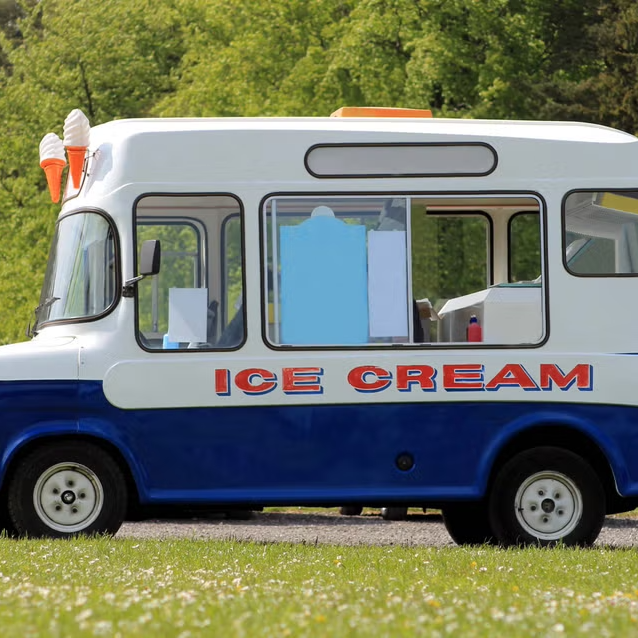
Ice cream trucks, now a staple of summer gatherings, were invented in the US in the early 1900s. And they’re making a comeback—the ice cream truck market is expected to grow significantly through 2030. |
|
|
|
In partnership with CardCritics |
|
Score A Bonus Worth $250 With These Cards |
|
Please support our sponsors! |
|
|
|
|
|
|
|
The fighter squadron that became an ice cream parlor |
To boost his squad’s morale during World War II, squadron commander J. Hunter Reinburg developed a method for making ice cream on the fly: Empty ammo cans filled with ingredients were flown at altitudes high enough for them to freeze. It's a stranger-than-fiction story about the lengths people will go to score a tasty treat. Read it here. |
|
|
|
|
Why the CIA tried to poison Castro's milkshake |
During the Cold War, the CIA engaged in a series of … creative attempts to assassinate Cuban leader Fidel Castro. One alleged plan was to poison his daily chocolate milkshake with botulism. Wait, what? (Castro drank a daily milkshake?) This short documentary explores the purported plot and how it went wrong. Watch it here. |
|
|
|
|
America's ice cream obsession and Prohibition |
While ice cream's history in the US goes back to its founding, the deep emotional attachment the country has with the sweet treat began during Prohibition, when many brewers started churning out ice cream instead of alcohol. Eventually, it symbolized joy during wartime and the Great Depression. We can see why. Learn more of the history here. |
|
|
|
|
The humble (and sometimes shadowy) history of the ice cream truck |
Ice cream trucks are classic Americana, though the story of the vehicle is more fascinating than you might imagine. This article details the first Good Humor truck in Youngstown, Ohio, explores some alleged underworld shakedowns in Chicago, and documents the rise of Mister Softee on St. Patrick's Day in Philadelphia. Check it out here. |
|
|
|
|
Visualizing Ben & Jerry's 98 flavors |
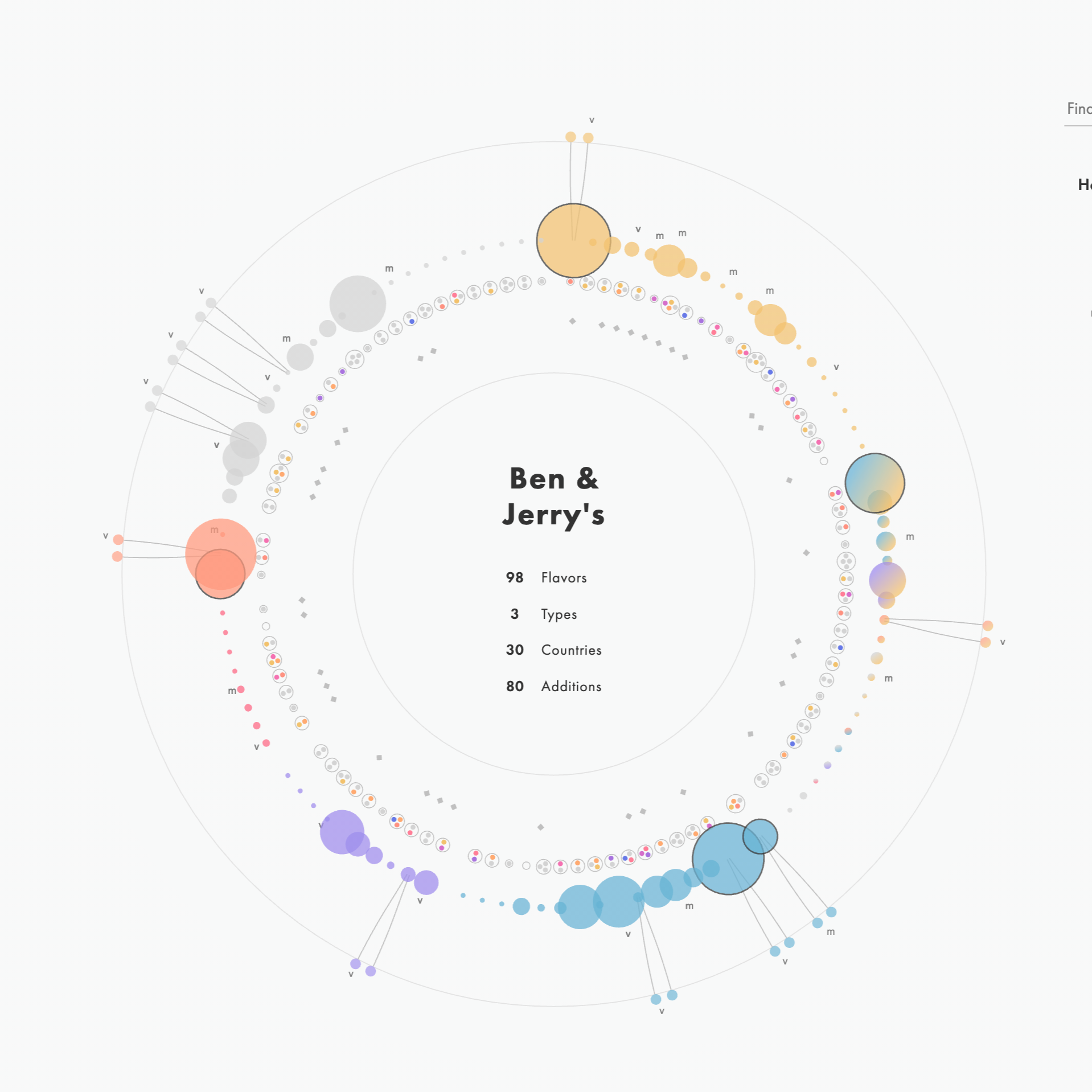
This delightful data visualization breaks down all the flavors of Ben & Jerry’s across the globe, listing every possible combination of base flavors and mix-ins. The resource also includes some interesting statistics about flavor popularity and how vegan-flavor preferences compare to their dairy counterparts. Browse the data here. |
|
|
|
|
The secret to vegan ice cream |
Making delicious ice cream without dairy is a challenge because most nondairy milks have more water than fat, which creates tasteless ice crystals when frozen. The key is finding a base with enough fat to give the finished product its signature creamy mouthfeel. This explainer from NPR breaks down the sweet science. Read it here. |
|
|
|
|
|
|
|
|
|
Beyond our weekly deep dives, we love finding great takes on the culture currently shaping our lives. Here are some of the best reactions, profiles, and think pieces we encountered this week.
> A Gallagher Reunion and a Great British Fantasy
Pitchfork | Jazz Monroe. The Oasis reunion tour is the summer’s hottest ticket, though some weren’t sure if the infamously belligerent Gallagher brothers could deliver the goods. This review of the tour’s first date, though, makes it clear that the band is offering their devoted fanbase an unbelievable spectacle. (Read)
> The NFL Player Who Turned to Psychedelics for OCD
CNN | Ben Morse. The Indianapolis Colts’ Braden Smith struggled with OCD so badly that he seriously considered a premature retirement. Things changed for the better, though, after he traveled to Mexico to undergo a psychedelic drug treatment proven to combat various mental illnesses. (Read)
> The Making of Kurt Vonnegut's 'Cat's Cradle'
The Atlantic | Noah Hawley. Vonnegut’s life and the events of World War II informed his strangely prescient 1963 science-fiction novel. Hawley, who created and wrote TV’s “Fargo,” does his best Vonnegut impression in this lyrical history of the book, making for both a fitting homage and an engaging read. (Read)
> Audiobook Actors Grapple With the Rise of Robot Narrators
The Guardian | Elsie Lange. Audiobook platform Audible recently announced it would begin offering AI-narrated titles to allow for more content in more languages, assuring listeners it would not be eliminating human narrators. Voice actors, though, are convinced a more sinister plan is afoot. (Read)
> These 15-Year-Old Twins Opened a Viral Hot Dog Stand
Eater | Mona Holmes. It started as an alternative to a more typical summer job: Why work for someone else when you can set up shop outside your parents' gas station? After a $400 investment and a single Instagram video, these twins' small business took off, attracting customers from over two hours away. (Read) |
|
|
|
In partnership with CardCritics |
|
The Best Travel Cards of 2025 |
|
If you’re traveling this summer, do yourself a big favor and pick up a travel-oriented credit card. Trust us—when you get back from your trip to Europe (we’re fans of Lake Como) only to realize how much you dropped on foreign transaction fees with your everyday card, you’ll regret it.
CardCritics has pulled together a list of the Best Travel Cards to help you make the right decision. Whether you’re in it for 0% intro APR for over a year, no annual or foreign transaction fees, or simply the many cards with bonuses worth up to $250, it’s one money move you should make this summer. |
|
Please support our sponsors! |
|
|
|
New in 1440 Society & Culture |
|
|
|
Mister Softee began by selling green-hued ice cream on St. Patrick's Day in 1956. |
|
|
Why 1440? The printing press was invented around the year 1440, spreading knowledge to the masses and changing the course of history. More facts: In every day, there are 1,440 minutes. We’re here to make each one count. |
|
1440 Media 222 W Merchandise Mart Plaza, Suite 1212 Chicago, IL 60654
Copyright © 2025, 1440 Media, All rights reserved. |
|
|
|
|
|
|
|
.png)