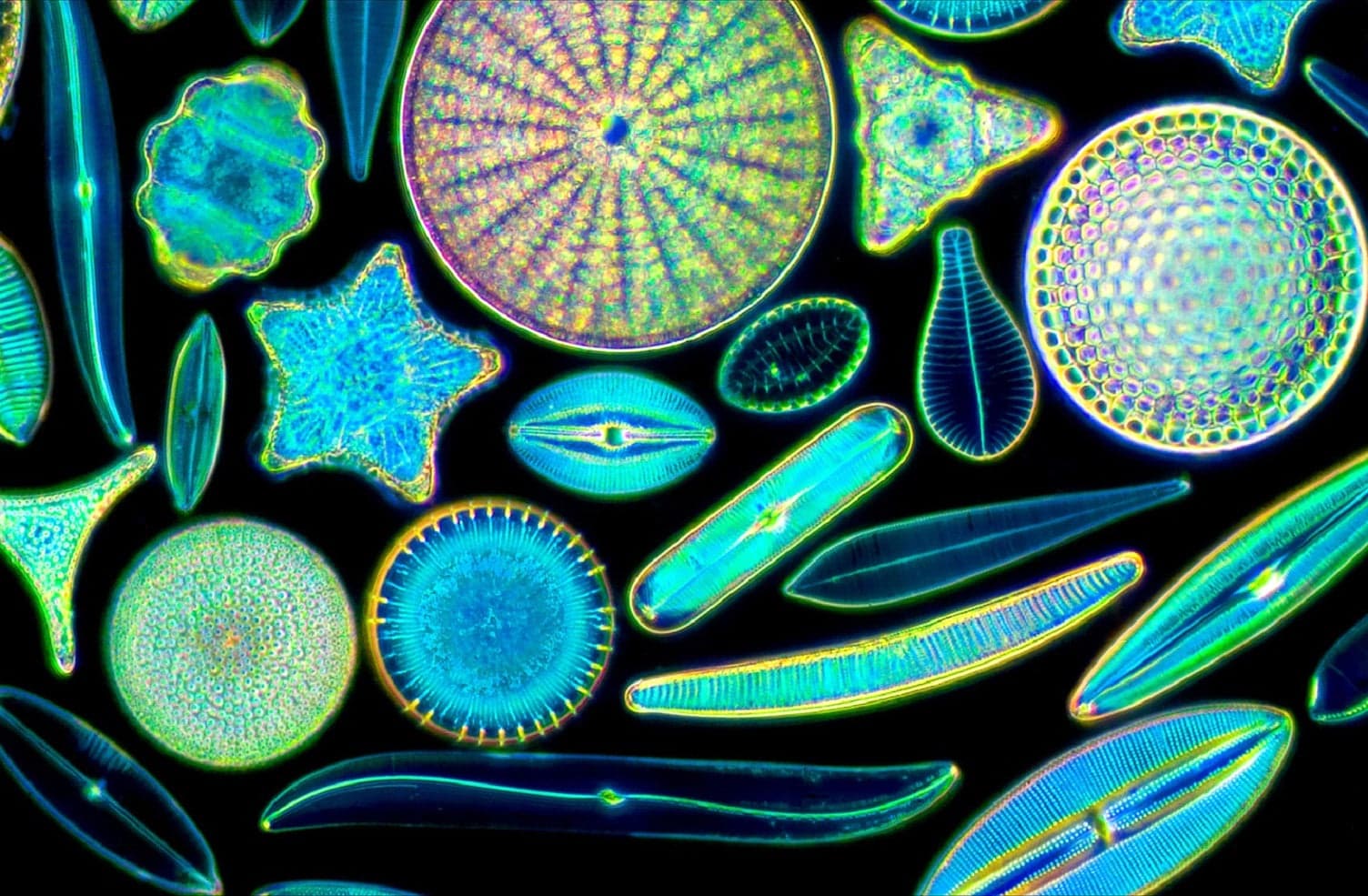
Posted by Marco Daniel MachadoJun 24View a gallery of diatoms—algae surrounded by glass-like shells—captured via microscope.Show 1 more finding ZoomDiatoms - Nature’s Jewels viewed with a MicroscopeMotic Microscopeshttps://moticmicroscopes.com/blogs/articles/diatoms-nature-s-jewels-viewed-with-a-microscope
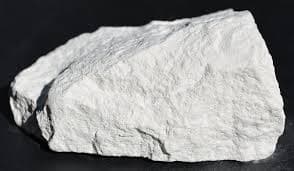
Posted by Marco Daniel MachadoJun 24Diatomite, a sedimentary rock used as a filtration material in beer, wine, swimming pool water, motor oil, and pharmaceuticals, is formed from the fossilized shells of diatoms, a type of algae.Show 2 more findings ZoomDiatomite - Essential Minerals AssociationEssential Minerals Associationhttps://www.essentialminerals.org/mineral/diatomites/
Posted by Teddy BurkhardtMar 3Some organisms are composed of a single cell visible to the naked eyeBy incorporating tough, cellulose-rich cell walls, rapid movement of molecules via cytoplasmic streaming, and other biological techniques, some unicellular organisms can bypass the physical limitations that restrict the size of cells. Organisms such as the Stentor coeruleus and Acetabularia can be seen without microscopes. 10:38The 6 Largest Single Cell OrganismsSciShowhttps://www.youtube.com/watch?v=9SLYdENgsog
Posted by Marco Daniel MachadoMay 25Massive blooms of microscopic algae called dinoflagellates produce the neon blue light seen in glowing tides.Show 1 more finding 6:39This is Why Waves Glow | Bioluminescence | Wild to Knowhttps://www.youtube.com/watch?v=KX5YRXTNWIE
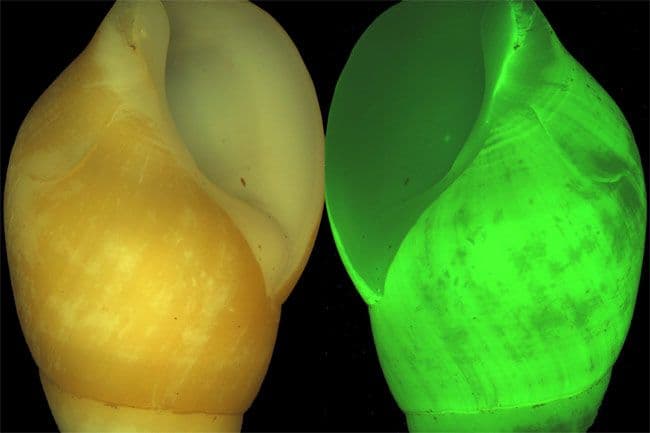
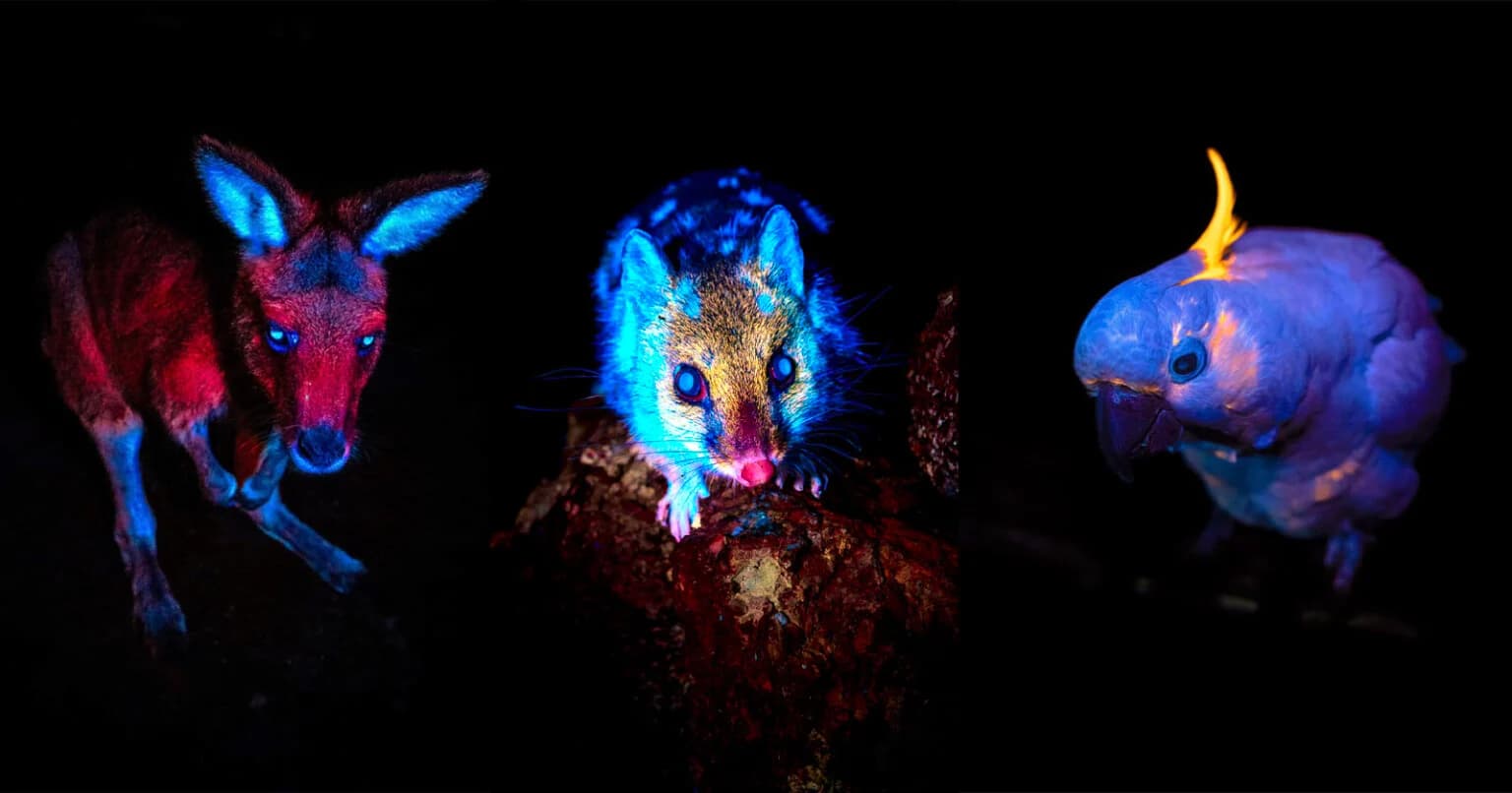
Posted by Marco Daniel MachadoFeb 6View a gallery of bioluminescent organisms, including jellyfish and mushroomsSome species produce a quick flash of light, while others glow steadily with an eerie glow, often to seek attention or in response to being disturbed. Snails, worms, fungi, and other organisms highlight that this ability evolved independently, rather than from one common ancestor. ZoomGallery: Eye-Catching Bioluminescent WondersLive Sciencehttps://www.livescience.com/14865-bioluminescent-creatures-gallery.html
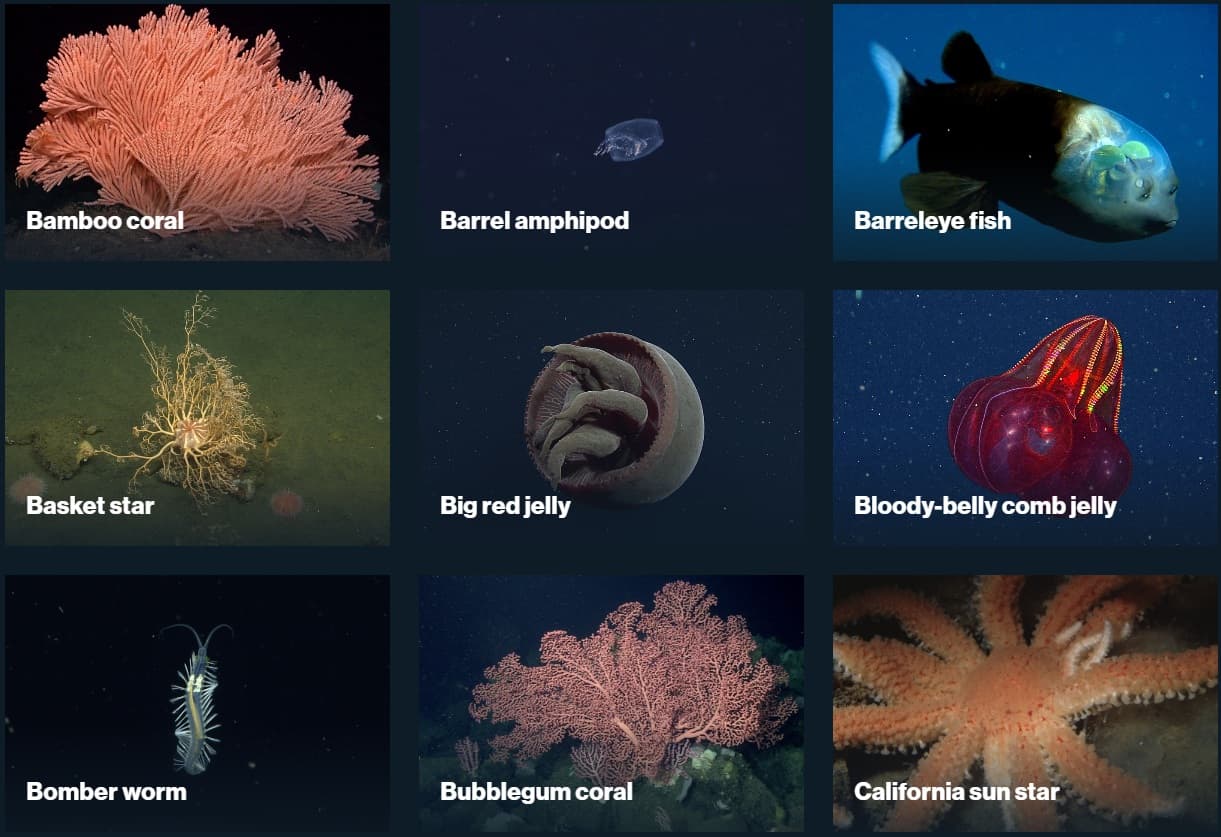
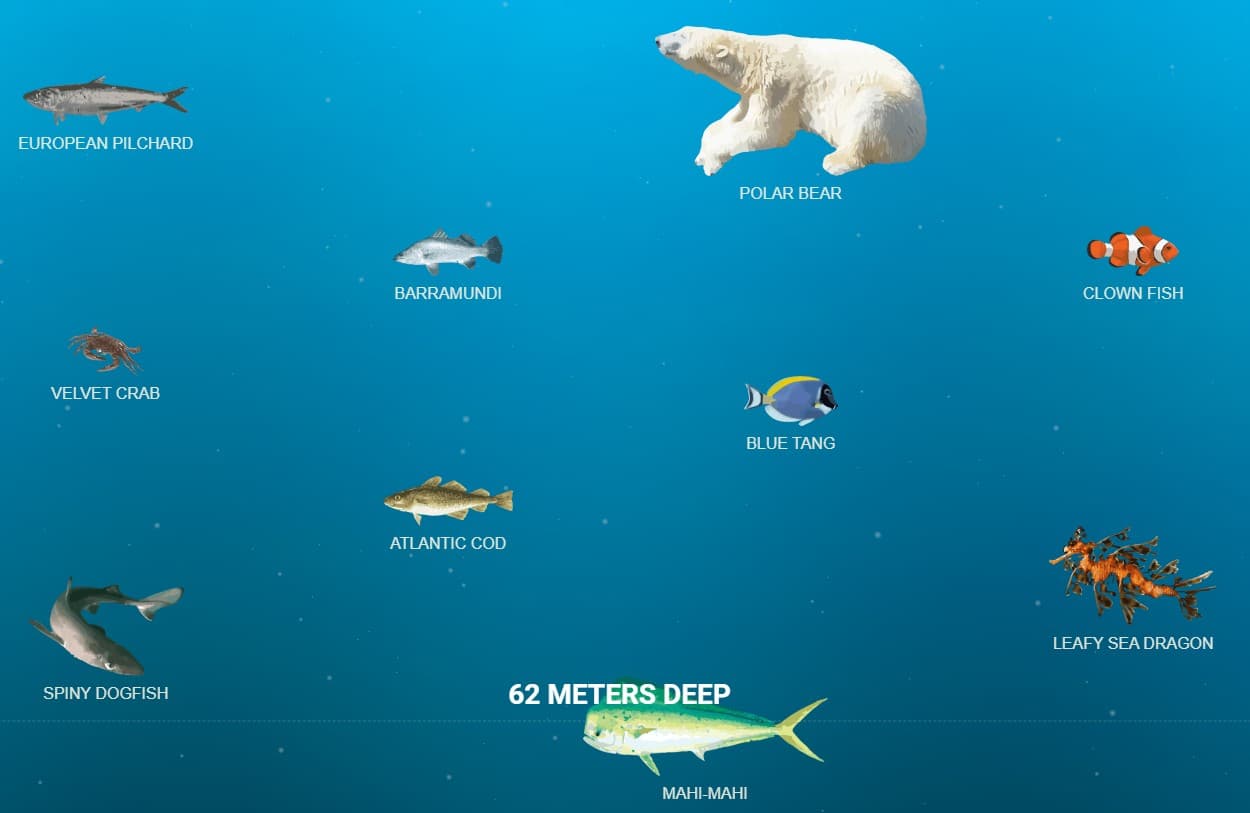
Posted by Marco Daniel MachadoJun 11View a gallery of animals found on abyssal plains, hydrothermal vents, seamounts, and other deep-sea habitats.Show 2 more findings ZoomAnimals of the Deep • MBARIMonterey Bay Aquarium Research Institutehttps://www.mbari.org/education/animals-of-the-deep/
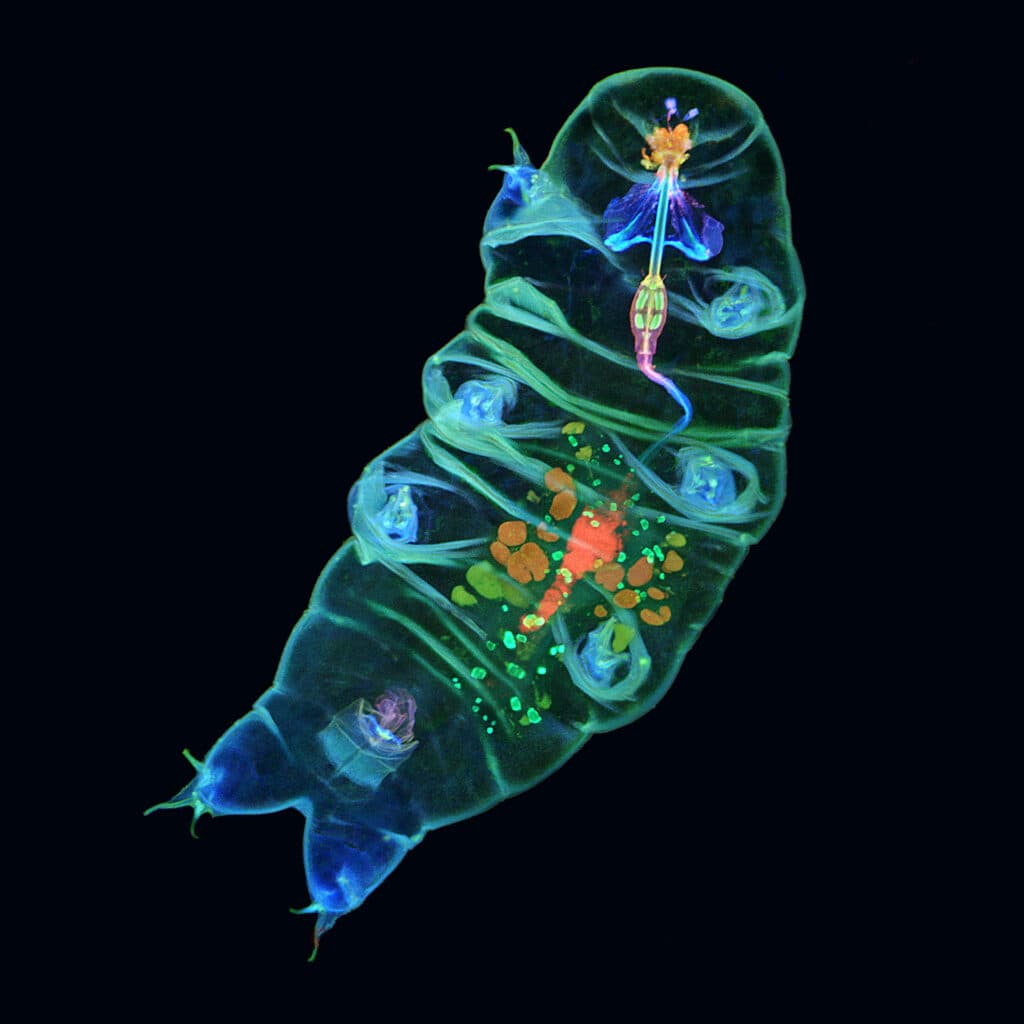
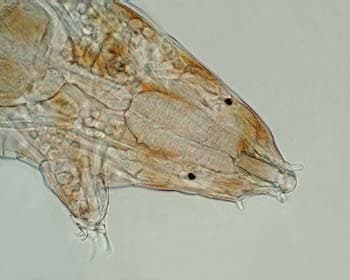
Posted by Marco Daniel MachadoOct 29, 2025View the fluorescently stained internal structures of a tardigradeThe photograph won the Olympus Global Life Science Light Microscopy Americas regional award in 2019. Using chemicals from biofluorescent organisms, the image illuminates internal structures with multiple hues in an otherwise mostly colorless organism. ZoomView the fluorescently stained internal structures of a tardigradeSmithsonian Magazinehttps://www.smithsonianmag.com/smart-news/colorful-image-microscopic-water-bear-wins-olympus-photo-contest-180974658/
Posted by Marco Daniel MachadoApr 8Watch underwater photosynthesis make water look like champagneIn shallow waters where sunlight can reach, photosynthetic reactions absorb water and dissolved carbon dioxide, producing bubbles of oxygen at the surface of plants. As these bubbles rise to the water's surface, a fizzy appearance is created. 2:44PBShttps://www.youtube.com/watch?v=J8DsCzHzG8o
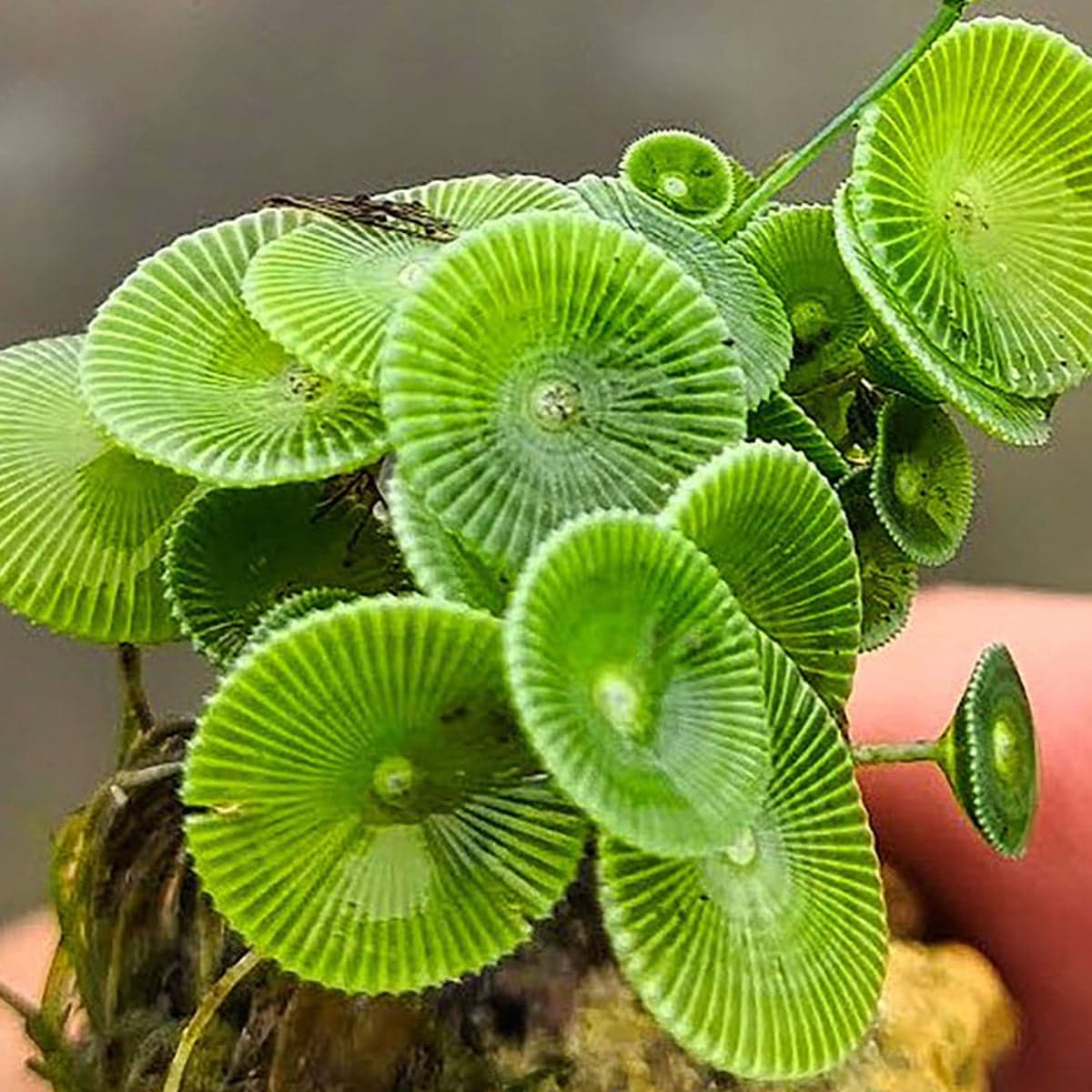
Posted by Marco Daniel MachadoJun 24Acetabularia jalakanyakae is one of the largest known single-celled organisms and is nicknamed the 'mermaid's wineglass' for its umbrella-shaped cap.Show 2 more findings ZoomDiscovered in the deep: the ‘mermaid’s wineglass’ made up of one giant cellThe Guardianhttps://www.theguardian.com/environment/2022/oct/31/discovered-in-the-deep-the-mermaids-wineglass-algae-acetabularia-jalakanyakae
Posted by Teddy BurkhardtJun 30Meet siphonophores, breathtaking jellyfish-like organismsSiphonophores are colonial jelly-like creatures made up of specialized segments that work together as one. They're fairly unknown despite being a significant sea predator. Sink into their strange beauty with this video. 6:16Jelly-like siphonophores astound with their breathtaking beautyhttps://www.youtube.com/watch?v=-iuLe5inW84
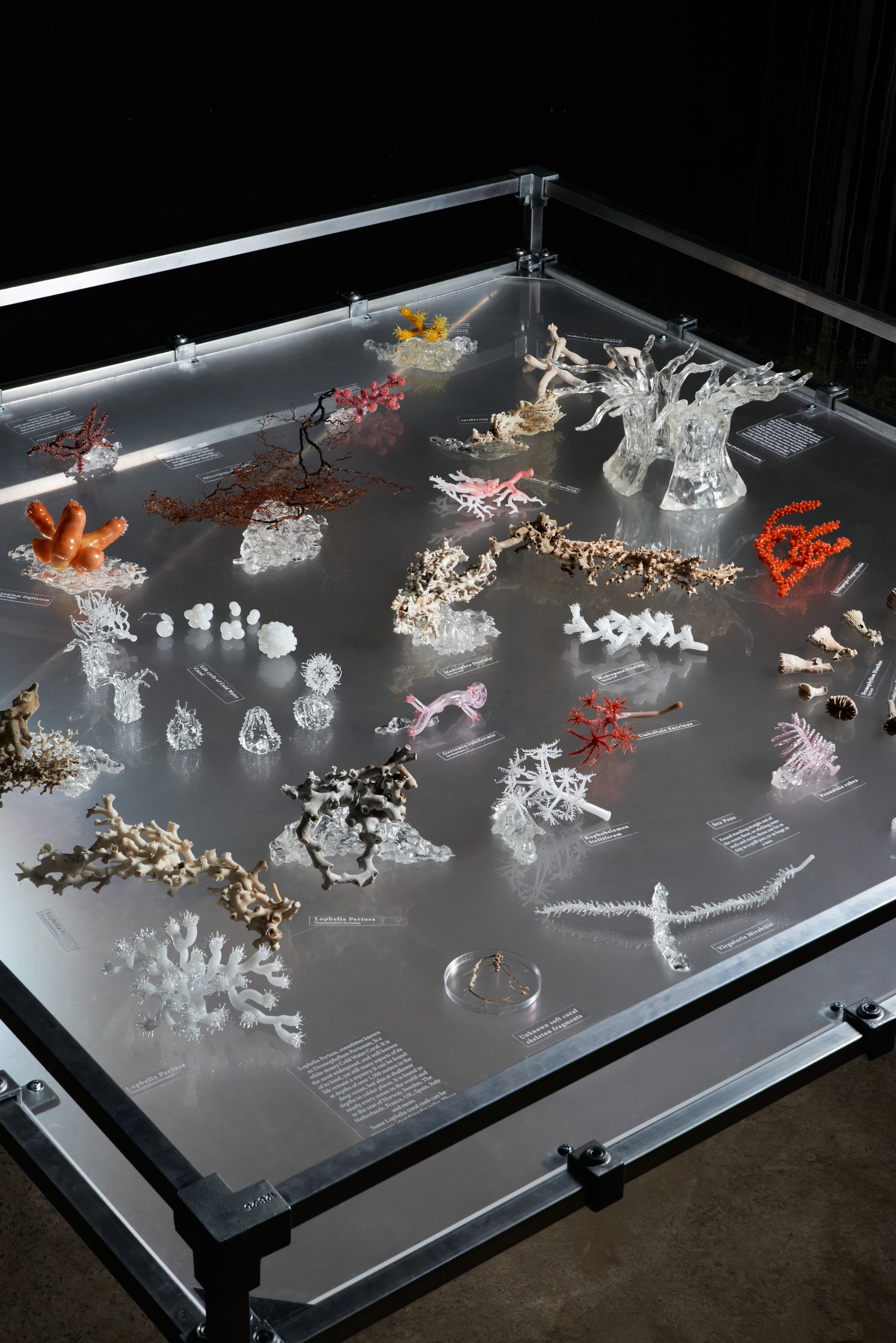
Posted by Marco Daniel MachadoFeb 11View a collection of glass sculptures of corals threatened by fishing and deep-sea mining.Show 2 more findings ZoomThe Hidden World of Cold-Water Corals Rises to the Surface With These Glass Sculptures That Are Resurrecting a Lost CraftSmithsonian Magazinehttps://www.smithsonianmag.com/science-nature/the-hidden-world-of-cold-water-corals-rises-to-the-surface-with-these-glass-sculptures-that-are-resurrecting-a-lost-craft-180988011/
Posted by Teddy BurkhardtMar 16, 2023A visual database of pollensPollen is a powdery substance made up of small grains involved in the fertilization process of plants. There are thousands of types of pollens across the world, and you can see real images of them in this visual database. ZoomMaster Reference Collection - Global Pollen Project - Global Pollen Projecthttps://globalpollenproject.org/Taxon
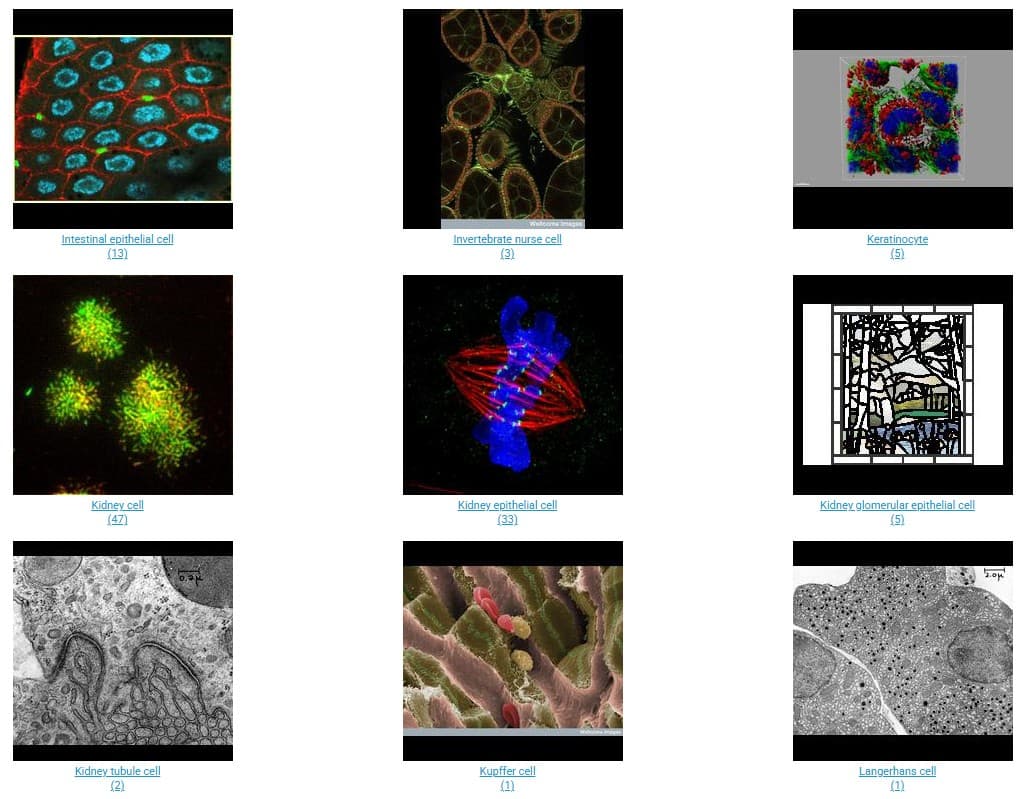
Posted by Marco Daniel MachadoMar 3View a gallery of images and videos of over 200 types of cellsFunded by the National Institute of General Medical Sciences of the National Institutes of Health, the Cell Image Library houses over 60,000 pieces of media, including microscopic photographs, time-lapse videos of cellular activity, and 3D reconstructions of organic processes. Zoomhttps://www.cellimagelibrary.org/browse/celltype?direction=desc&sort=name&view_type=column
Posted by Marco Daniel MachadoJun 24Scientists have collected critical minerals from ocean water using seaweed, a type of algae that leaves behind a mineral-rich powder called bio-ore after being processed into biofuels.Show 1 more finding 7:25The future of mining might not be on landGristhttps://www.youtube.com/watch?v=xz1fFYTMACU
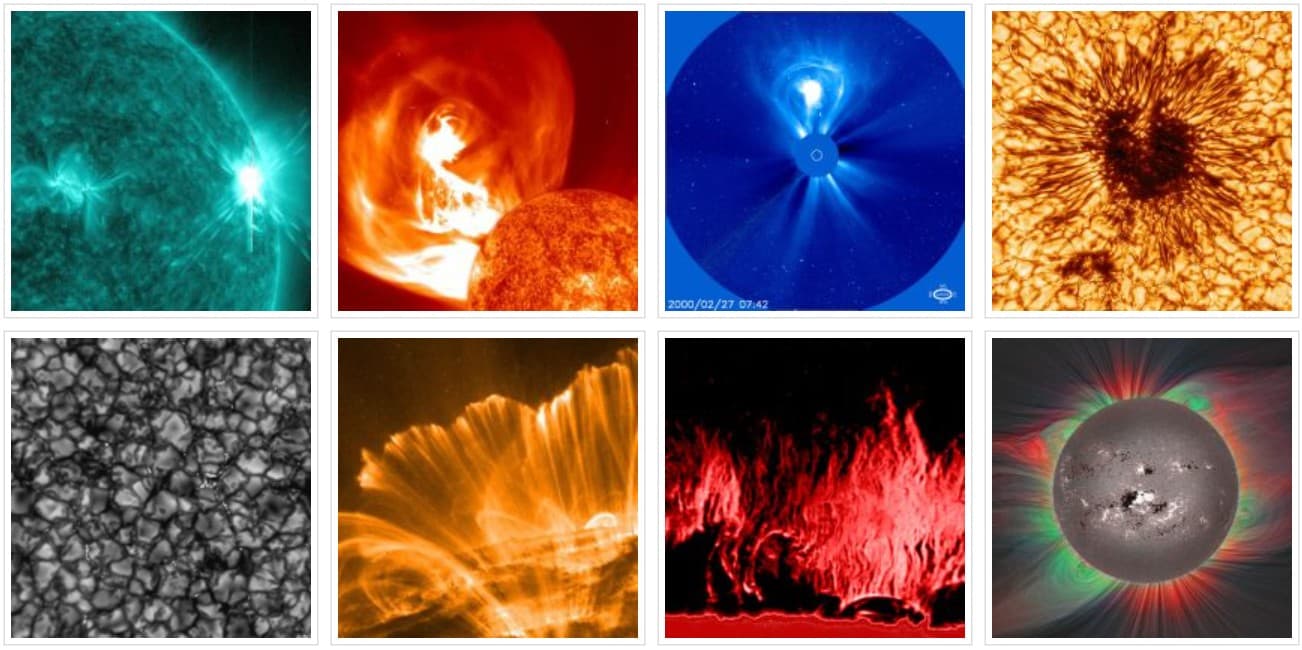
Posted by Marco Daniel MachadoMay 13View a colorful gallery of solar features, including coronal loops and filamentary prominences, curated by the National Solar Observatory.Show 2 more findings ZoomNational Solar Observatoryhttps://nso.edu/gallery/gallery-solar-features/
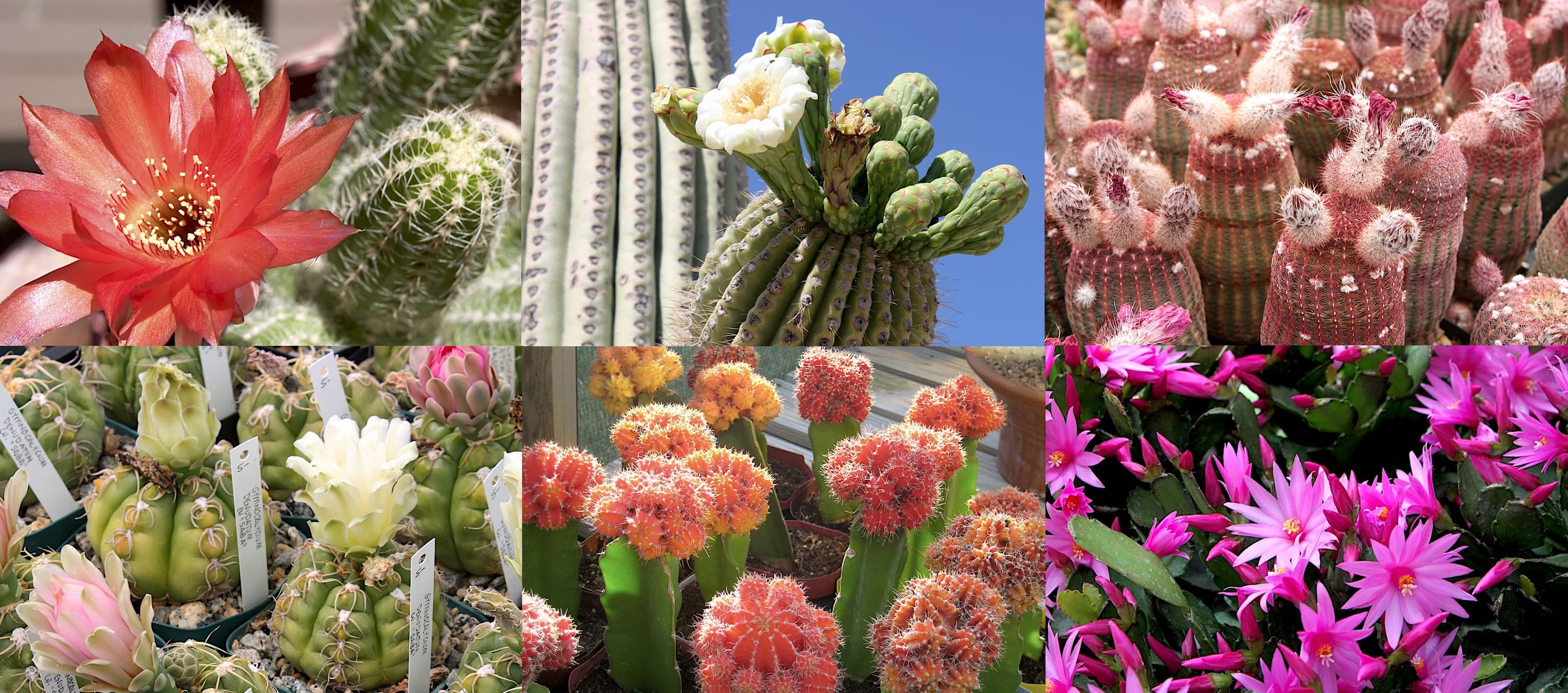
Posted by Marco Daniel MachadoApr 14View colorful flowers that grow on cacti and succulents, popular xerophilic organismsThese dry-loving organisms are able to retain the water they need to grow and reproduce in deserts and arid grasslands through a suite of adaptations, including thick, fleshy stems that store abundant water, a waxy coating that helps prevent water loss, and an uncommon form of photosynthesis that loses less water. Zoomhttps://debraleebaldwin.com/cactus-photos-and-ids/
Posted by Marco Daniel MachadoJun 24The cells of spotted salamander embryos and early-stage larvae harbor algae that support embryonic development by increasing oxygen levels and removing waste.Show 1 more finding ZoomThe Symbiotic Relationship of Algae and Spotted SalamandersFinger Lakes Land Trusthttps://www.fllt.org/the-symbiotic-relationship-of-algae-and-spotted-salamanders/
Posted by Teddy BurkhardtJul 10, 2023The secret lives of cellsCutting-edge microscopy has revealed previously unseen interactions of biological molecules within their cellular environment, enabling scientists to observe and analyze the molecules in a holistic view. This podcast explains the minute advancements made over the last few decades in observing cells, revealing how scientists have come and what the future holds for the field. ZoomAudio long-read: The secret lives of cells — as never seen beforeNaturehttps://www.nature.com/articles/d41586-021-03699-6
Posted by Marco Daniel MachadoJun 24Despite being multicellular and photosynthetic, organisms such as kelp and sea moss are macroalgae, not plants, because they lack specialized roots and stems to pump water.Show 2 more findings 8:49What Is Algae? | What are the uses of algae? | Learn about the different types of algae for kidsLearn Brighthttps://www.youtube.com/watch?v=VHoNVuh24hc
Posted by Marco Daniel MachadoJul 28Pearls form when a saltwater oyster or a freshwater mussel coats a parasite or other irritant that has entered its shell with concentric layers of calcium carbonate and organic protein.Show 3 more findings 5:23How do oysters make pearls? - Rob UlrichTED-Edhttps://www.youtube.com/watch?v=TGxKkBC6L2k
Posted by Marco Daniel MachadoOct 29, 2025Explore a gallery of tardigradesAlthough sometimes called moss piglets, tardigrades are most often white or clear with some dark pigments. Tardigrades only move by crawling, not swimming, and depictions of organisms with caved-in heads or other coloration result from sample preparation for microscopes. ZoomExplore a gallery of tardigradeshttps://baertierchen.de/wb_c_images.html
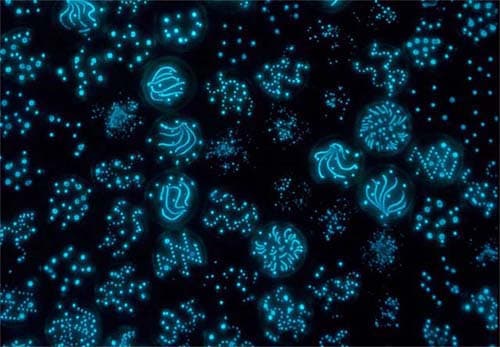
Posted by Marco Daniel MachadoMar 12Solutions of bioluminescent bacteria can create FOMO-inducing living artA 2002 exhibition at Montana State University-Bozeman placed the bacteria onto petri dishes that served as macroscopic pixels to create images. Once the bacteria finished eating all the food in the sealed dishes, the light slowly faded away, ending the exhibit. ZoomWelcome To The Dark Side: Bioluminescent Art - The Yellow Sparrowhttps://www.theyellowsparrow.com/bioluminescent-art/
Posted by Marco Daniel MachadoOct 29, 2025Watch tardigrade samples under an optical microscopeTardigrade samples can be collected by gathering moss and submerging it in tap water for 24 hours. The moss should then be cut and drained with a mesh sieve, and the water should be collected. Samples are observable in the water between 10x and 40x magnifications. 2:11Motic | Water bears under microscope - Part 1 | BA310https://www.youtube.com/watch?v=fR__pDyXjkk
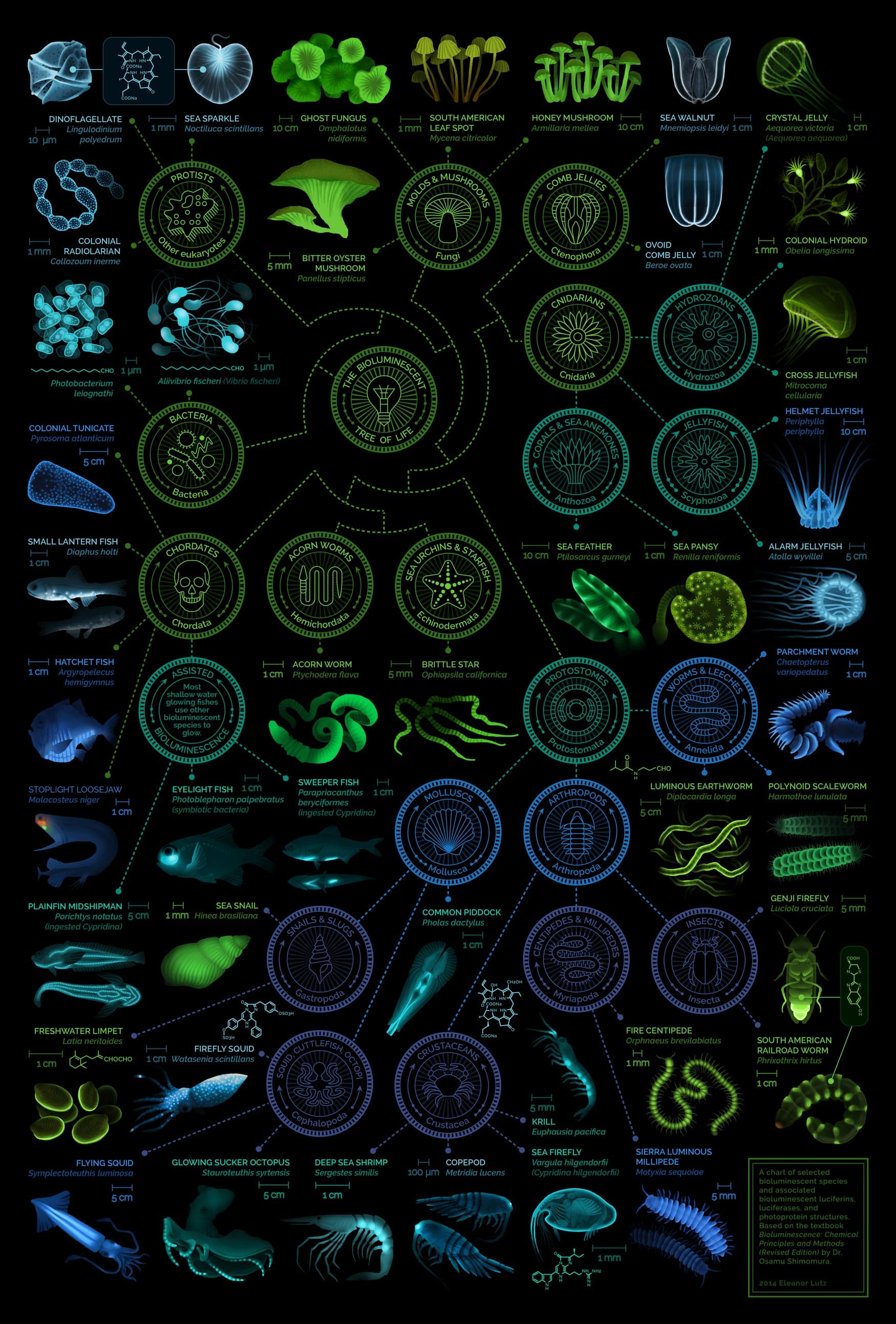
Posted by Marco Daniel MachadoFeb 20View a sample of the bioluminescent tree of lifeThis diagram shows 42 different light-producing organisms, from bacteria and fungi to worms, fish, and crustaceans. It illustrates how the ability to produce light has appeared multiple times across the tree of life, rather than stemming from a single ancestor. ZoomA visual compendium of glowing creatureshttps://tabletopwhale.com/2014/07/21/a-visual-compendium-of-glowing-creatures.html
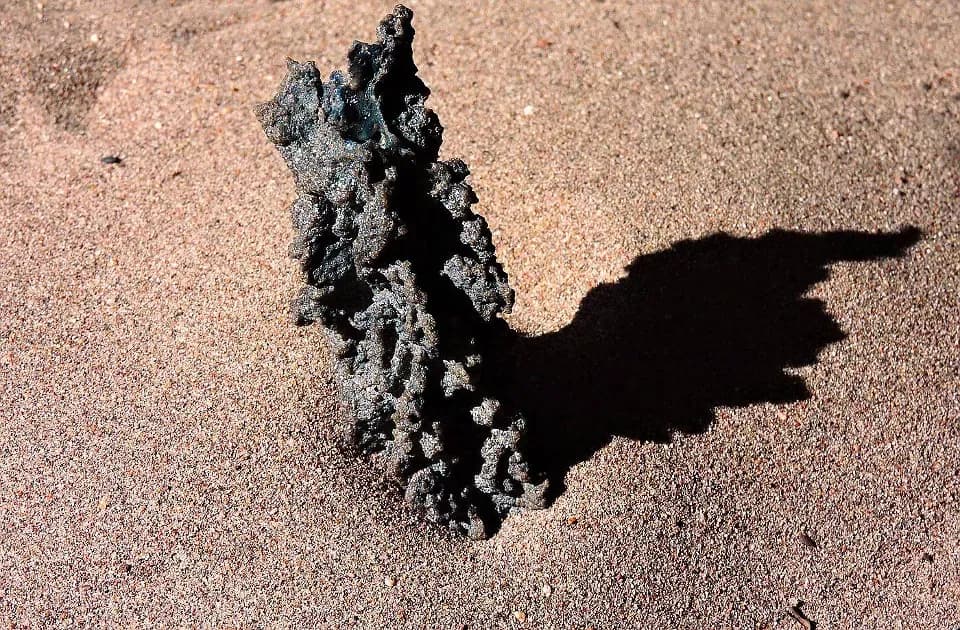
Posted by Marco Daniel MachadoJan 9Fulgurites are glass sculptures made by lightning vaporizing sandSometimes referred to as fossilized lightning, these tube-like structures are formed when high-temperature electrical currents fuse mineral grains into crystals, which can feature branching patterns resembling filaments of current. Their name derives from "fulgur," the Latin word for lightning. ZoomNational Park Servicehttps://www.nps.gov/articles/grsa-fulgurites.htm
Posted by Marco Daniel MachadoNov 12, 2025Geode formation begins with trapped gas bubbles in igneous or sedimentary rockOver thousands or millions of years, water seeps into the cavity created by the bubble and deposits minerals, which slowly build and crystallize into quartz, agate, amethyst or other crystals. 4:47All About Geodes and How They Are Formedhttps://www.youtube.com/watch?v=KBDklsqpl5A
Posted by Teddy BurkhardtSep 11, 2025Where does your glass come from?Glass is created from silica sand, soda ash, and limestone. The more transparent you want your glass to be, the higher the purity you need from your silica—a rarity. Colorless, low-iron glass featured in skyscraper windows and Apple's cube-shaped showrooms has increased demand for such pure silica. ZoomWhere does your glass come from?The Conversationhttps://theconversation.com/where-does-your-glass-come-from-263421
Posted by Teddy BurkhardtJun 30Watch a salamander grow from fertilization to hatchingNew microscopy techniques have allowed scientists to image the development of animal embryos with unprecedented detail. This six-minute time-lapse reveals the development of a salamander from initial fertilization to hatching from an egg. 6:43See a Salamander Grow From a Single Cell in this Incredible Time-lapse | Short Film ShowcaseNational Geographichttps://www.youtube.com/watch?v=SEejivHRIbE
Posted by Marco Daniel MachadoMay 6How chefs suspend liquid in edible pearls resembling caviar to introduce a new texture to fluidsThrough spherification, drops of a solution of sodium alginate and a flavored liquid are placed in a calcium lactate solution, which forms a chemical skin around them. This is because calcium replaces the sodium in the alginate chains, forming a gel around each drop's liquid interior. 6:07SciShowhttps://www.youtube.com/watch?v=LJBNe6AGM_E
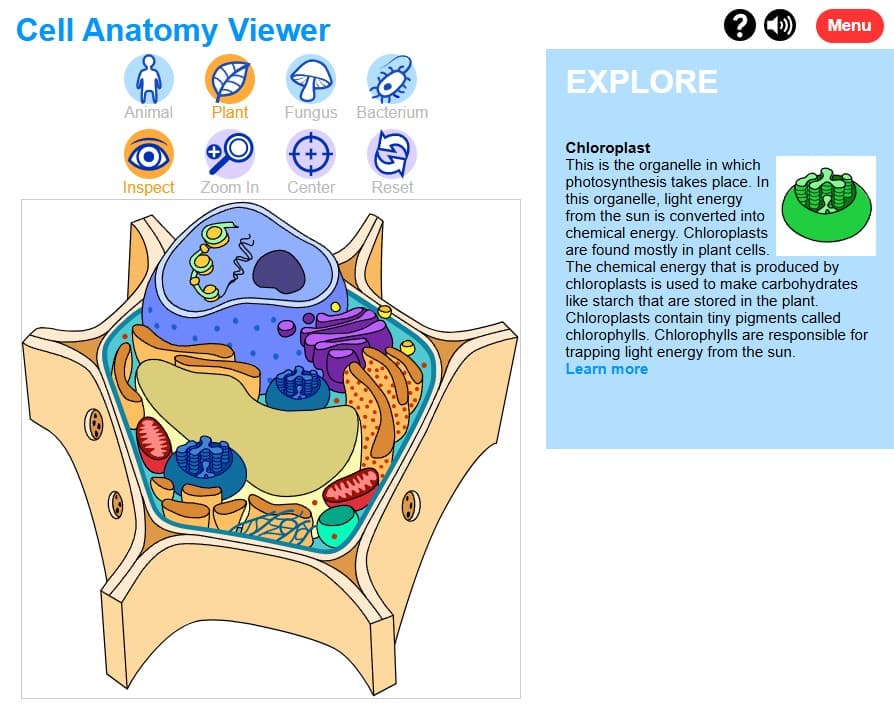
Posted by Marco Daniel MachadoMar 3Explore what each organelle does within various types of cellsIn "Cell Anatomy Viewer," users can explore interactive illustrations of animal, plant, fungal, and bacterial cells. Clicking on an organelle, such as a lysosome, the nucleolus, or the Golgi complex, provides descriptions of its characteristics and functions. ZoomAsk a Biologist - Arizona State Universityhttps://askabiologist.asu.edu/games-sims/cell-viewer-game/play.html
Posted by Marco Daniel MachadoSep 5, 2025Watch a tour of an integrated circuit fabrication plantExplore the protocols in place to ensure clean rooms have no dust to jeopardize the integrity of silicon wafers as they are transformed into working microchips. Layering, photolithography, etching, and chemical vapor deposition are shown alongside digital visualizations. 17:10Inside the cleanroom - How computer chips get made!https://www.youtube.com/watch?v=aBDJQ9NYTEU
Posted by Marco Daniel MachadoApr 21Some algae have helped remove microplastics from water after being bioengineered to clump together with these contaminants, forming an easily collectible microplastic-algae sludge.Show 2 more findingsCan algae help pull microplastics out of our water supply?Science Fridayhttps://open.spotify.com/episode/4tu7n0wbR2iu5dHoe0pcKv
Posted by Marco Daniel MachadoApr 1An analysis of fossilized reefs from northern Africa and Germany suggests that shallow water corals and photosynthetic algae formed the mutualistic partnership seen today between 419 and 359 million years ago.Show 1 more finding ZoomNatural History Museumhttps://www.nhm.ac.uk/discover/news/2024/october/date-first-coral-algae-symbiosis-pushed-back-170-million-years.html
Posted by Marco Daniel MachadoApr 14Learn about endoliths, the polyextremophiles that thrive inside rocksThese organisms include species that live in Antarctica, where they perform photosynthesis using light and water that makes it through pores in sandstone. Others residing in Earth's crust can survive temperatures reaching 60 degrees Celsius (140 degrees Fahrenheit) while generating energy through chemical reactions involving nutrients and gases trapped in rocks. 4:01SciShowhttps://www.youtube.com/watch?v=U9YoHJJLsbE
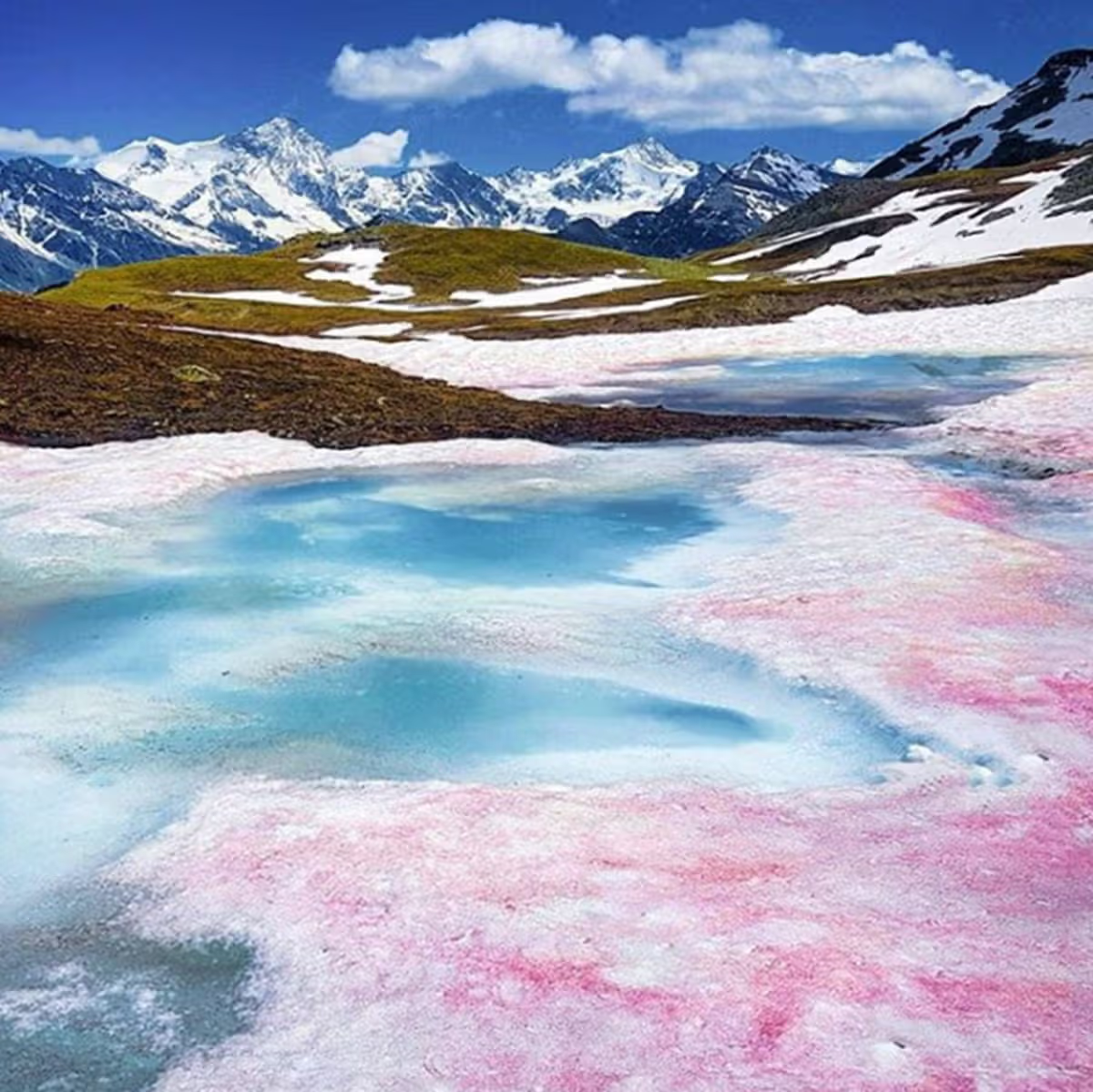
Posted by Marco Daniel MachadoApr 14'Watermelon snow'—patches of pink, orange, and red in snow—is the result of extremophilic green algae that thrive in extremely frigid conditions and take the shape of red spheres in winter.Show 3 more findings ZoomGet to Know Watermelon Snow - ArcticNethttps://arcticnet.ca/get-to-know-watermelon-snow/
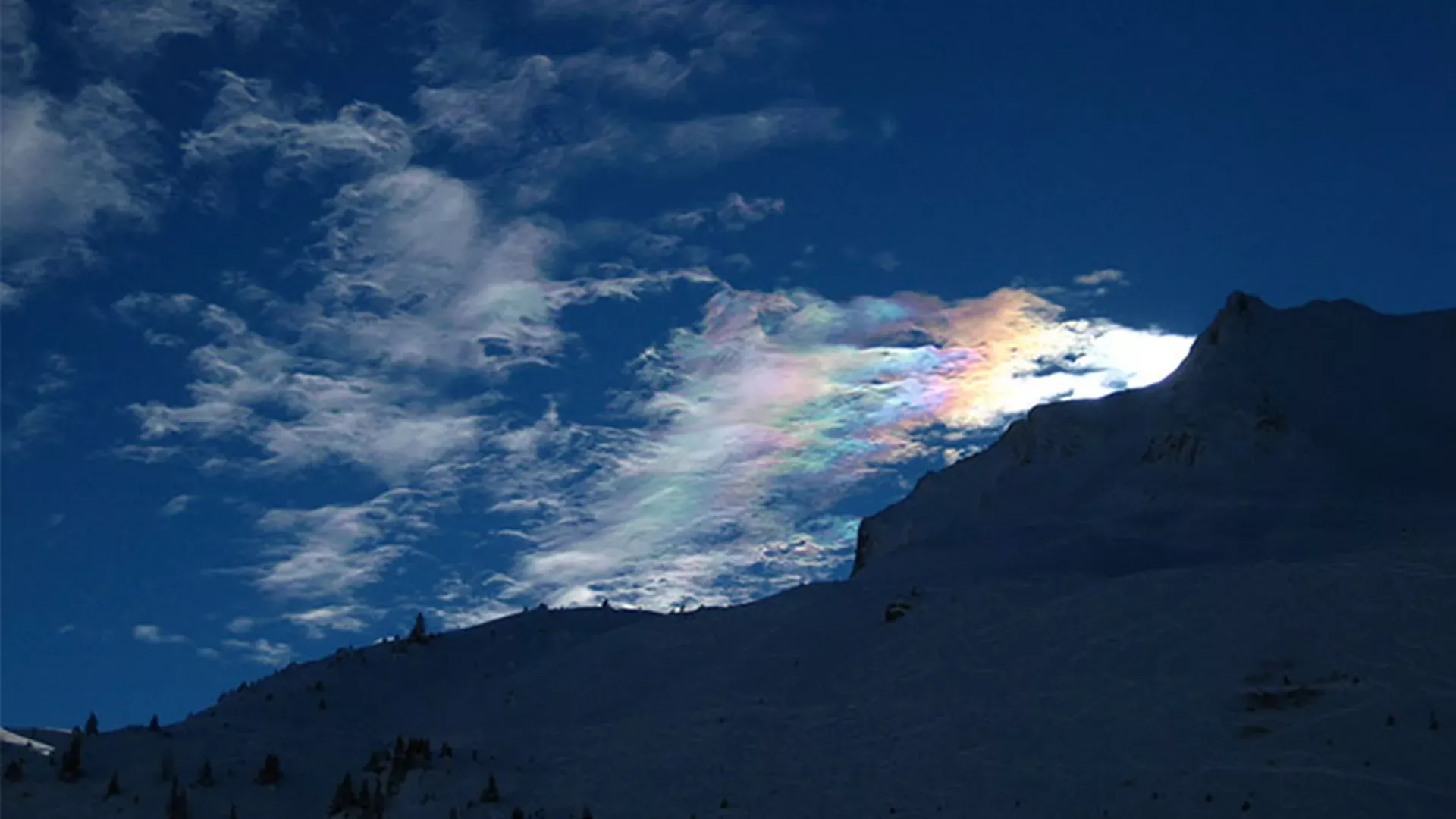
Posted by Marco Daniel MachadoMay 21View the rainbow effect on the waters at First Landing State ParkThe phenomenon results from light interacting with a thin film of natural oils on the surface of swamps and marshes at the site, not unlike the coloration seen in soap bubbles. The oils originate from decaying vegetation or from anaerobic bacteria reducing iron in soil. (Some readers may experience a paywall.) ZoomWhy this rainbow swamp has got people talkingBBChttps://www.bbc.com/news/blogs-trending-46346026
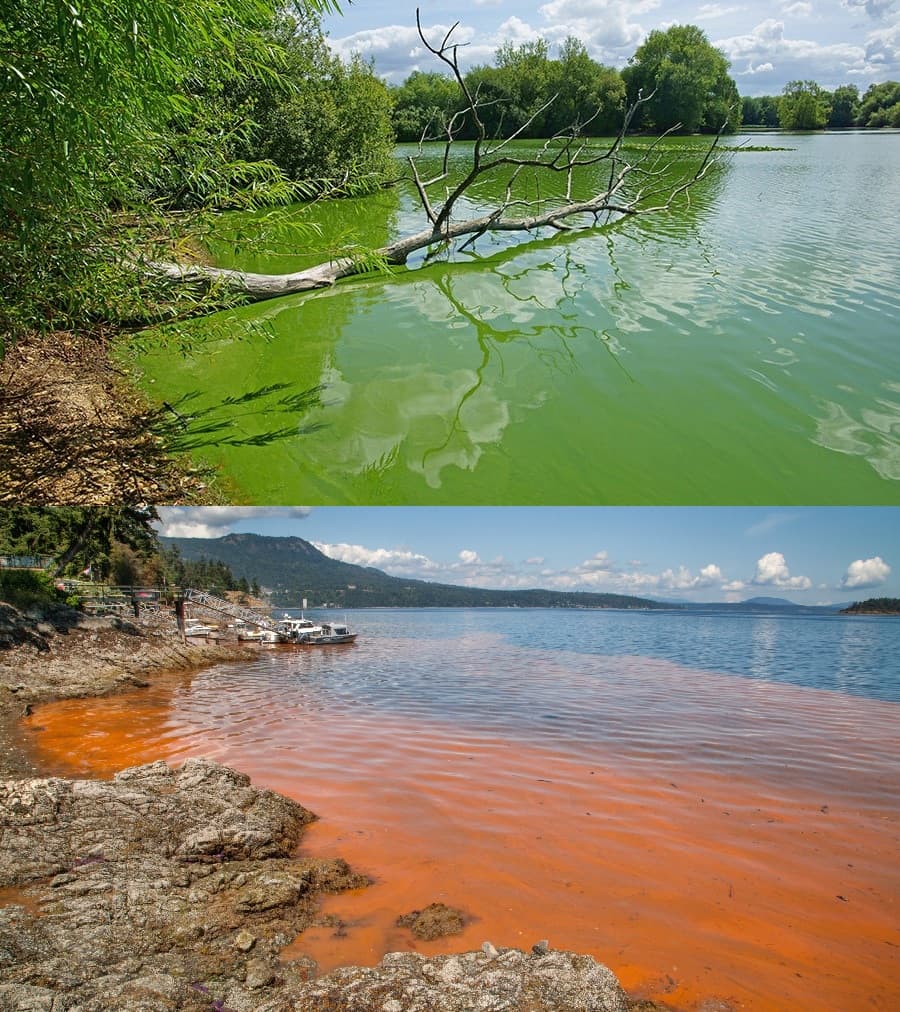
Posted by Marco Daniel MachadoJun 24Harmful algal blooms can occur in warm, nutrient-rich, stagnant waters and are often associated with the rapid reproduction of blue-green algae—a misnomer for cyanobacteria, not algae.Show 3 more findings ZoomHarmful Algal Blooms and Your HealthUS Centers for Disease Control and Preventionhttps://www.cdc.gov/harmful-algal-blooms/about/index.html
Posted by Teddy BurkhardtFeb 13, 2025Meet Cystisoma, the 7-inch crustacean with eyes for a headIn deep midwater, roughly 1,000 feet below the water's surface, completely transparent Cystisoma hide in plain sight from predators. Their retinas are splayed out thin across their disproportionately large eyes to avoid detection, and their entire bodies are transparent, difficult to see even as they are held in the palm of your hand. Learn more about the creatures here. ZoomDiscovered in the deep: the crustacean with eyes for a headThe Guardianhttps://www.theguardian.com/environment/2022/sep/14/discovered-in-the-deep-the-transparent-crustacean-with-enormous-eyes-cystisoma
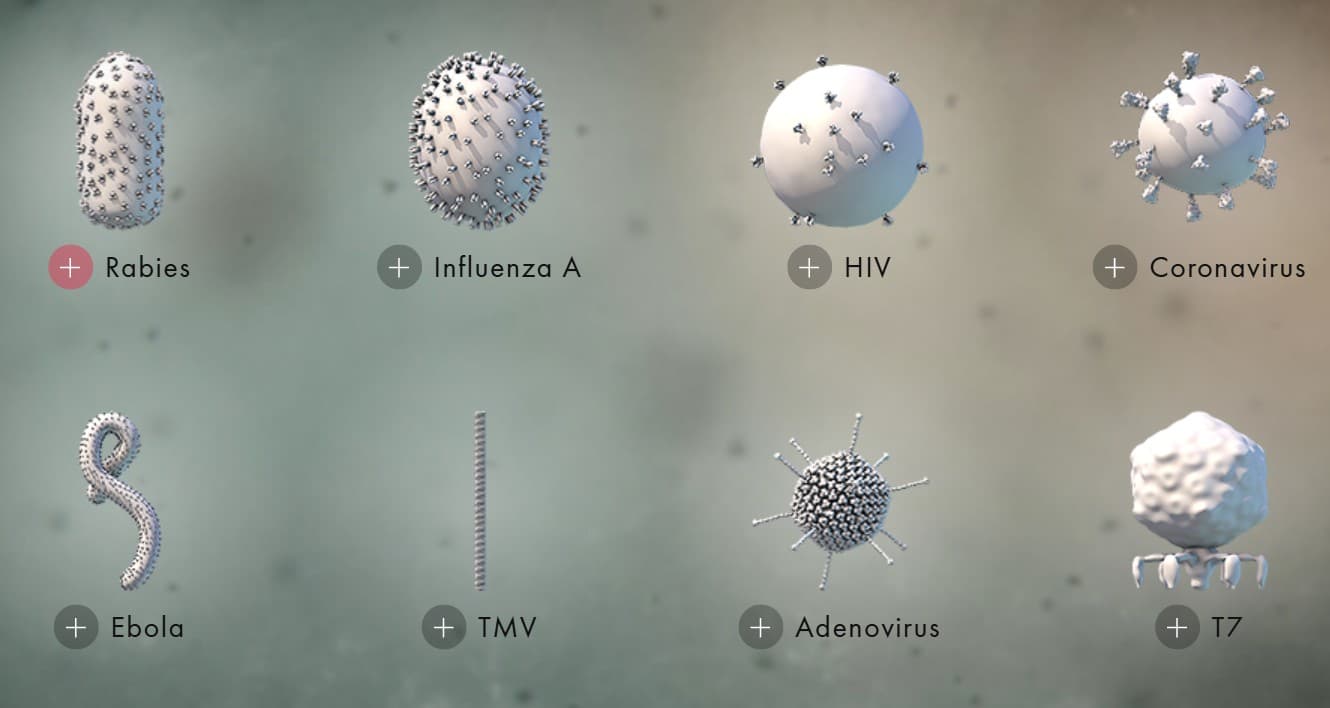
Posted by Dina Fine MaronMar 9Explore 3D models of some of the most dangerous viruses, allowing us to understand these and other pathogens in new ways.Show 1 more finding ZoomVirus ExplorerHHMI BioInteractivehttps://media.hhmi.org/biointeractive/click/virus-explorer/
Posted by Marco Daniel MachadoMar 3Cell theory originated from microscopic observations of cork and dental plaqueIn the mid-1600s, Robert Hooke identified compartment-like structures—which he called cells—in cork, and Anton van Leeuwenhoek discovered bacteria in samples of his dental scrapings. Almost 200 years later, Matthias Schleiden and Theodor Schwann showed that plants and animals, respectively, are composed of cells, proving that cells are the foundation of all living things. 6:12TED-Edhttps://www.youtube.com/watch?v=4OpBylwH9DU