Posted by Dina Fine MaronApr 6Grief can trigger broken heart syndrome, a painful condition that is often mistaken for a heart attack.Show 3 more findings 4:56- YouTubeBBC Earth Sciencehttps://www.youtube.com/watch?v=yzMfEZTqVHo
Posted by Dina Fine MaronApr 6Yes, you can die from a broken heartResearchers reviewed the health records of about 200,000 people diagnosed with broken heart syndrome from 2016 to 2020 and the death rate was 6.5%—with men's deaths roughly doubling that of women.https://newsroom.heart.org/news/the-risk-of-death-or-complications-from-broken-heart-syndrome-was-high-from-2016-to-2020
Posted by Dina Fine MaronApr 6Heart attack risk jumps to 21 times its norm on the day of a loved one's deathResearch published in 2012 suggests that the intense emotional burden of suffering a loved one's death can escalate heart rate, blood pressure, and clot risks—culminating in elevated heart attack risk. The increased heart attack risk remains after that first day, remaining eight times above normal during the first week, and then dropping down over the course of a month. (Some users may encounter a paywall.)Harvard Universityhttps://www.health.harvard.edu/heart-health/heart-attack-risk-soars-soon-after-losing-a-loved-one
Posted by Dina Fine MaronApr 6Extreme grief elevates cardiovascular risk and lowers immune system functionA 2014 analysis of cardiovascular risk and bereavement after a lost partner found that grief elevates the risk of stroke and heart attack for the 30 days following death of a partner and the risk then attenuates after that.https://www.nebraskamed.com/health/healthy-lifestyle/behavioral-health/how-grief-takes-a-physical-toll-on-the-body
Posted by Marco Daniel MachadoOct 24, 2025Love and heartbreak trigger powerful, neurochemical-driven changes in the bodyThe feeling of falling in love floods the brain with dopamine, oxytocin and serotonin, which collectively dull pain and boost immunity. However, the loss of these chemicals during a break-up produces withdrawal-like symptoms and heart issues, such as high blood pressure. 8:49Is Love Really A Drug? | What Does Love & Heartbreak Do To My Body | National GeographicNational Geographichttps://www.youtube.com/watch?v=JDIAcRSPbnk
Posted by Marco Daniel MachadoJul 7, 2025Panic attacks are intense fear episodes that often occur without a clear triggerUnlike typical fear responses to real danger, panic attacks can mimic serious health problems, such as heart attacks. Sweating during a panic attack may seem random, but it's a leftover survival mechanism that made it easier for our ancestors to escape by slipping out of an attacker’s grasp.6 signs of a panic attack & how to managehttps://www.uhc.com/news-articles/healthy-living/6-signs-of-a-panic-attack
Posted by Dina Fine MaronAug 21, 2023Chronic stress affects nearly all parts of the body Stress is our body’s internal mechanism to deal with changes in our internal balance. As such, the stress response affects nearly every organ system through a cascade of both fast and slow hormonal changes. While short-term stress can be adaptive, long-term stress may cause serious health issues. Zoomhttps://www.apa.org/topics/stress/body
Posted by Dina Fine MaronMay 5Stress can be contagious—and scientists want to learn more about itResearchers have shown that being around someone who is stressed can trigger a stress response in your body, such as elevated cortisol levels and elevated heart rate. One way this was recently studied was by having people watch stressful activities, like a recorded job interview or solving challenging math problems, and then sampling hormones in observers' spit. ZoomStress Contagion: Does Observing Others’ Anxiety Affect You?Psychology Todayhttps://www.psychologytoday.com/us/blog/best-practices-in-health/202404/stress-contagion-does-observing-others-anxiety-impact-you
Posted by Teddy BurkhardtDec 13, 2024The neuroscience of heartbreakAn analysis of functional MRIs revealed a difficult fact: the active brain areas of people experiencing heartbreak were very similar to those actively in love. This is a major reason why people in the middle of rejection can't accept the reality of their loss. This article breaks down the various changes in neurotransmitters and neural pathways for those enduring that universal experience, heartbreak. ZoomI hate that I love you: The neuroscience of heartbreakhttps://mappingignorance.org/2024/11/20/i-hate-that-i-love-you-the-neuroscience-of-heartbreak/
Posted by Dina Fine MaronApr 6Prolonged Grief Disorder has certain recognizable risk factorsThis official diagnosis is characterized by intense, daily symptoms of grief a year after the loss of a loved one among adults and faster—around at least six months—for kids and teens. Factors that put people at increased risk of this disorder include being single, attachment anxiety, violent or unnatural death, low education, low income, and multiple losses, among others.https://www.sciencedirect.com/science/article/pii/S0272735823001332#ab0010
Posted by Dina Fine MaronAug 17The body's response to cardiac arrest has been linked to near-death experiences.Show 4 more findings ZoomWhat really happens during a near-death experiencePopular Sciencehttps://www.popsci.com/health/near-death-experience/
Posted by Dina Fine MaronApr 6Grief rewires the human brainThe human brain handles stress and emotional traumas similarly. In response to the emotional stress of a situation like the death of a loved one, divorce, or abuse, the brain may strengthen or weaken connections between nerves to form new neural connections. Over time, chronic stress can diminish brainpower, reducing overall nerve growth and memory to shift resources to enable elevated fear responses and enable humans to survive.https://www.americanbrainfoundation.org/how-tragedy-affects-the-brain/
Posted by August MoonAug 24Stress activates the "fight-or-flight" response when we face threats, a reaction that can help keep us alive.Show 2 more findings 4:11Stress Explained1440 Originalshttps://www.youtube.com/watch?v=d_PGoQL-K14
Posted by Drew SteigerwaldSep 24, 2025Fear (and stress) can be contagious via pheromones secreted by the bodyWhile seeing someone else in a panicked state may induce a stress response, researchers have found stress can be literally contagious—chemicals contained in sweat and other secretions can trigger stress hormone release in others. Theories suggest this feature is an evolutionary adaptation to protect groups from danger. 5:25Is Fear Contagious? | Gross Sciencehttps://www.youtube.com/watch?v=dmP52MKFY9w
Posted by Teddy BurkhardtSep 15, 2023How to repair a baby’s broken heartA rare disorder that prevents some babies from getting enough oxygen to their organs can be repaired through a series of three intricate surgeries. This article and graphic explain the process behind correcting single-ventricle defects, also known as SVDs.This disorder happens when one of the heart's lower chambers doesn't work correctly, resulting in deoxygenated and oxygenated blood circulating the body rather than just the latter. ZoomHow to repair a baby’s broken heartNaturehttps://www.nature.com/articles/d41586-021-03518-y
Posted by Dina Fine MaronMay 5Too little stress can be as problematic for our health as too much stress, because mild or moderate stress—followed by recovery—helps make us resilient. Show 2 more findings ZoomWhy We Need to Embrace Stress - Chasing Life with Dr. Sanjay Gupta - Podcast on CNN PodcastsChasing Life with Dr. Sanjay Guptahttps://www.cnn.com/audio/podcasts/chasing-life/episodes/b17cd6e4-37bb-11ef-8219-130321484913
Posted by Drew SteigerwaldOct 30, 2024Stress-induced adrenaline can trigger a 'hysterical strength' responseThe stress response is a powerful ancient mechanism designed to maximize human survival—it can even result in superhuman strength. The adrenal glands are located just above the kidneys, and stress-induced adrenaline release causes more blood (and therefore more oxygen) to flow to your muscles, increasing performance. ZoomHow can adrenaline help you lift a 3,500-pound car?HowStuffWorkshttps://entertainment.howstuffworks.com/arts/circus-arts/adrenaline-strength.htm
Posted by Dina Fine MaronApr 6Grief is defined as the anguish and physiological distress experienced after significant lossIt usually occurs following the death of a loved one, and symptoms may include confusion, apprehension about the future, separation anxiety, and ruminating on the past.https://www.apa.org/topics/grief
Posted by Drew SteigerwaldOct 30, 2024Stress and the brainWhile an acute stress response is a normal bodily function, the effects of chronic stress can be extremely damaging to the human body. This is particularly true with regard to the brain. This article explores the effects of stress on the human brain, including how chronic stress may lead to psychological conditions such as depression and memory loss. Zoomhttps://letstalkscience.ca/educational-resources/backgrounders/stress-and-brain
Posted by Kevin KearneyApr 29Consuming true crime media can increase stress and anxiety and create a false sense of danger.Show 3 more findingsYour True Crime Obsession Could Be Hurting Your Mental HealthVICEhttps://www.vice.com/en/article/v7e4b9/true-crime-and-mental-health
Posted by Dina Fine MaronJan 16Heart attacks are less harmful at nightWhen heart attacks occur during the day they typically do more harm to the heart tissue than if they occur at night. A 2025 study suggests that daytime heart attacks have higher levels of immune cells called neutrophils to contend with and they appear to worsen the injury. Scientists confirmed this same pattern in experiments with mice. (Some readers may experience a paywall.)Live Sciencehttps://www.livescience.com/health/heart-circulation/heart-attacks-are-less-harmful-at-night-and-that-might-be-key-to-treating-them
Posted by Drew SteigerwaldOct 30, 2024The biology of stress in your bodyStress is a normal human response that has evolved over millions of years to handle changes or threats in our environment. This article is a helpful overview of the biological basics of this response. While it is not harmful to our physiology in the acute setting, chronic stress can lead to damaging changes in the human body over many years. ZoomThe Biology of Stress in Your BodyDiscover Magazinehttps://www.discovermagazine.com/mind/the-biology-of-stress-in-your-body
Posted by Dina Fine MaronMay 19Heatstroke is sometimes missed because the patient is really sweatySince the condition involves losing the ability to cool oneself, clinicians sometimes see someone who has exertional heatstroke—like a high school athlete who is really sweaty—and don't realize the heat-related illness has already progressed to heatstroke. Classic heatstroke typically occurs among the very young or the elderly. (Some users may encounter a paywall.) ZoomHeat StrokeEMRAPhttps://www.emrap.org/episode/emrap2019june/heatstroke
Posted by Teddy BurkhardtAug 22, 2023How do anxiety and stress differ?This article explains that though “stress” and “anxiety” are often used interchangeably, there are distinct differences between the two. Stress is defined as the body's response to an external trigger and can be classified as acute or chronic. Anxiety, however, tends to be triggered internally by excessive thoughts and judgement. Whereas stress disappears when the trigger is gone, anxiety tends to stick around. If left unchecked, both can escalate into more severe mental health conditions. ZoomAm I Anxious or Just Stressed?Harvard Business Reviewhttps://hbr.org/2021/01/am-i-anxious-or-just-stressed
Posted by Meher QazilbashDec 16, 2024Key symptoms of burnout can be both mental and physicalBurnout can be accompanied by several symptoms, including low energy and chronic fatigue, trouble concentrating, difficulty sleeping, and depression. It may even manifest physically as musculoskeletal pain, headaches, stomach and intestinal pain, and more. More intense cases have been linked to cardiovascular and mental health disorders. ZoomUnderstanding the burnout experience: recent research and its implications for psychiatry - PMCNational Institutes of Healthhttps://pmc.ncbi.nlm.nih.gov/articles/PMC4911781/
Posted by Dina Fine MaronMay 5Mental health symptoms may manifest differently across culturesMental health, like physical health, is imbued with values, beliefs, and traditions. Symptoms of distress are not universal and may differ based on racial, ethnic, and cultural contexts. Because mental health may be stigmatized or communities may have varying belief systems about causes of mental health challenges and how to fix them, it may affect how symptoms manifest. Chest pain, for example, may be a sign of mental distress—not the need for a doctor.Looking at the Cultural Aspects of Mental HealthUniversity of Chicagohttps://crownschool.uchicago.edu/news-events/magazine/looking-cultural-aspects-mental-health
Posted by Dina Fine MaronAug 24Anxiety is one of the world's most common mental health disorders, causing persistent excessive fear and worry that interferes with daily activities.Show 4 more findings 5:02Understanding Anxiety: Symptoms, Causes and TreatmentsMayo Clinichttps://www.youtube.com/watch?v=UR6ZUJsnV1E
Posted by Dina Fine MaronJun 30What does a beating human heart look like?Tucked behind your rib cage and between your lungs sits your heart. This knot of cardiac muscle will (typically) beat billions of times throughout your lifetime, sending oxygenated and nutrient-rich blood throughout the body, powering countless biological processes that have enabled you to read this very paragraph. This two-minute video provides a glimpse of the mechanics happening inside your chest via an animated anatomical model. 1:11Human Heart Anatomy (3D Medical Animation)https://www.youtube.com/watch?v=ebzbKa32kuk
Posted by Dina Fine MaronAug 22, 2023Stress affects different animals in different, but useful, waysAnimals feel stress when they experience actual dangers—such as a zebra chased by a lion. Humans often feel stress from worries, memories, or even thoughts about problems that may occur in the future. For this reason, animals tend to experience stress in short, intense bursts. Conversely, people can feel stressed for long periods, which can eventually be harmful to their health. 3:19Robert Sapolsky: The Psychology of Stresshttps://www.youtube.com/watch?v=bEcdGK4DQSg
Posted by August MoonApr 13Prolonged stress impairs the prefrontal cortexBurnout isn't just a feeling—it physically affects the brain. Prolonged stress impairs regions of the brain responsible for decision-making, emotional control, memory, and more. It can also lead to chemical imbalances, like reduced dopamine and norepinephrine levels, that worsen these effects.Show 2 more findings 1:22How Our Brains React to Burnout1440 Originalshttps://youtube.com/shorts/kIF0wYhRpq8
Posted by Dina Fine MaronFeb 24Pulsatile tinnitus is when you hear thumping synchronized with your heartbeatThis rare type of tinnitus, which sounds like rhythmic thumping or whooshing, is often linked to blood vessel conditions or high blood pressure. Lowering blood pressure through exercise and food choices can help reduce the severity of this condition.https://www.miracle-ear.com/hearing-diseases/tinnitus-ringing-ears/questions-about-tinnitus
Posted by Dina Fine MaronFeb 9The Lazarus Effect is when a heart begins beating on its own after declared deathFormally called autoresuscitation, this rare phenomenon occurs when someone is declared dead following a cardiac arrest but their heart beats again without help—making it seem like the person came back to life. Doctors don't know the exact cause.Cleveland Clinichttps://my.clevelandclinic.org/health/articles/24876-lazarus-effect
Posted by Dina Fine MaronMay 19Exertional heatstroke is a top killer of athletes and soldiers-in-trainingOften characterized by collapsing while exercising in the heat with intense sweating, this type of heatstroke among otherwise healthy people occurs when the body loses the ability to cool itself during intense exercise and the body's core temperature has risen to 104 degrees Fahrenheit or higher and cannot cool itself. If treated quickly, it's often survivable, though it can cause lasting damage. 3:07How to protect student athletes amid dangerous heat across the countryCBS Morningshttps://www.youtube.com/watch?v=R4FqSG9ev6Q
Posted by Dina Fine MaronJul 29Humans can have brain damage after four minutes without blood flow.Show 3 more findings 9:26The Circulatory System Part 1: The HeartProfessor Dave Explainshttps://www.youtube.com/watch?v=R1kfeURl9Rk&list=PLybg94GvOJ9HVbNobTmFnOxXRn1dIpffc
Posted by Marco Daniel MachadoSep 13, 2025Low cell division rates in heart cells make heart cancer particularly rareThe heart's location in the chest also offers protection from external cancer-causing factors. The disease affects about 3 in every 10,000 people, though most cases arise from metastasis from other body parts. ZoomWhy is heart cancer so rare? A biologist explainsThe Conversationhttps://theconversation.com/why-is-heart-cancer-so-rare-a-biologist-explains-256055
Posted by Drew SteigerwaldOct 30, 2024The two phases of stress: fast and slowThe physiological response to acute stress generally involves two phases—the "fast" response in which adrenaline is released, and a second "slow" response in which cortisol is released. This technical resource reviews what happens in the body during each phase. ZoomPhysiology, Stress Reaction - StatPearls - NCBI BookshelfNational Institutes of Healthhttps://www.ncbi.nlm.nih.gov/books/NBK541120/?report=reader
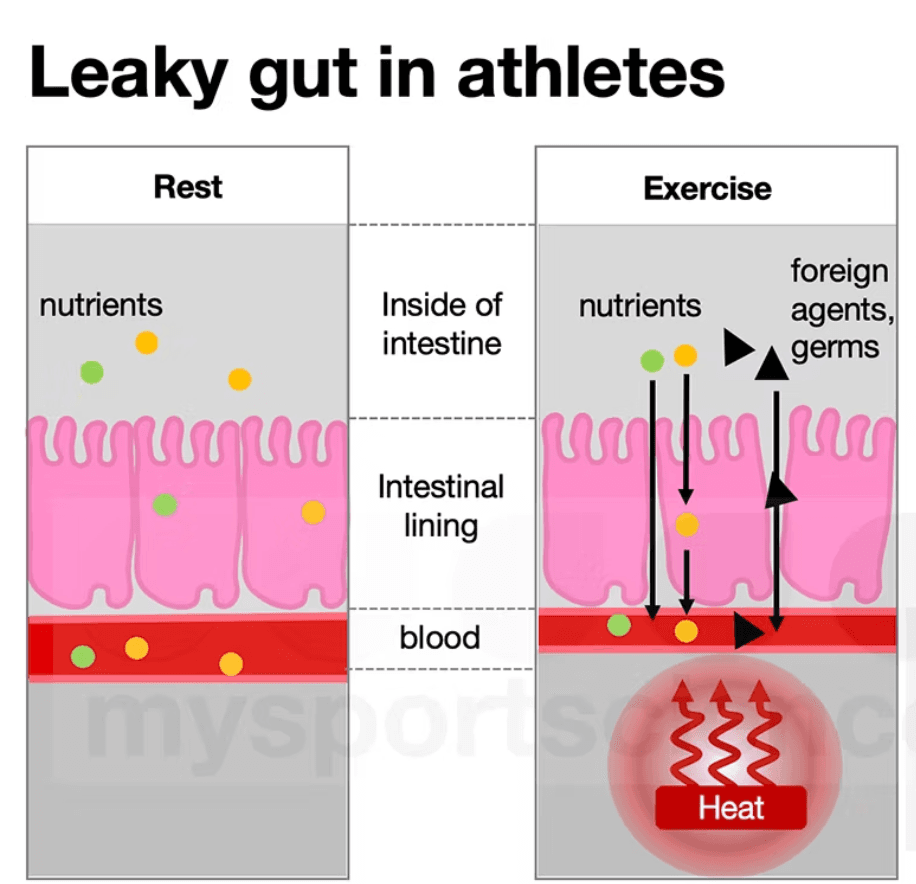
Posted by Dina Fine MaronMay 19Some research suggests that the gut microbiome influences our risk of heatstroke, with elevated exercise levels raising body temperature to unsafe levels and increasing gut permeability—causing a "leaky" gut. Show 2 more findings ZoomWhat causes an athlete’s leaky gut?Mysportsciencehttps://www.mysportscience.com/post/what-causes-an-athlete-s-leaky-gut
Posted by Dina Fine MaronApr 6Anticipatory grief describes experiencing sorrow ahead of a lossAll-consuming anticipatory grief—like if you know a loved one will soon die from a chronic illness—can be disabling. Seeking exercise, healthy food, hobbies, and trying to toggle between thinking about an upcoming loss and focusing on other matters is important for promoting health. https://extension.umn.edu/stress-and-change/anticipatory-grief
Posted by Dina Fine MaronAug 24Stress and anxiety may lead to similar symptoms, but stress is a response to external triggers, while anxiety is persistent, and its symptoms won't disappear once an immediate stressor is gone. Show 3 more findings ZoomWhat’s the difference between stress and anxiety?American Psychological Associationhttps://www.apa.org/topics/stress/anxiety-difference
Posted by Drew SteigerwaldJun 30Our ancient fight-or-flight response may contribute to modern ailmentsMany common modern diseases humans struggle with may in fact have their origins in our ancient fight-or-flight stress response. Long-term effects of the stress hormones cortisol and adrenaline—in this case, triggered by things like workplace stressors—can wreak havoc on the delicate internal balance of our organ systems. 4:43How stress affects your bodyTED-Edhttps://www.youtube.com/watch?v=v-t1Z5-oPtU