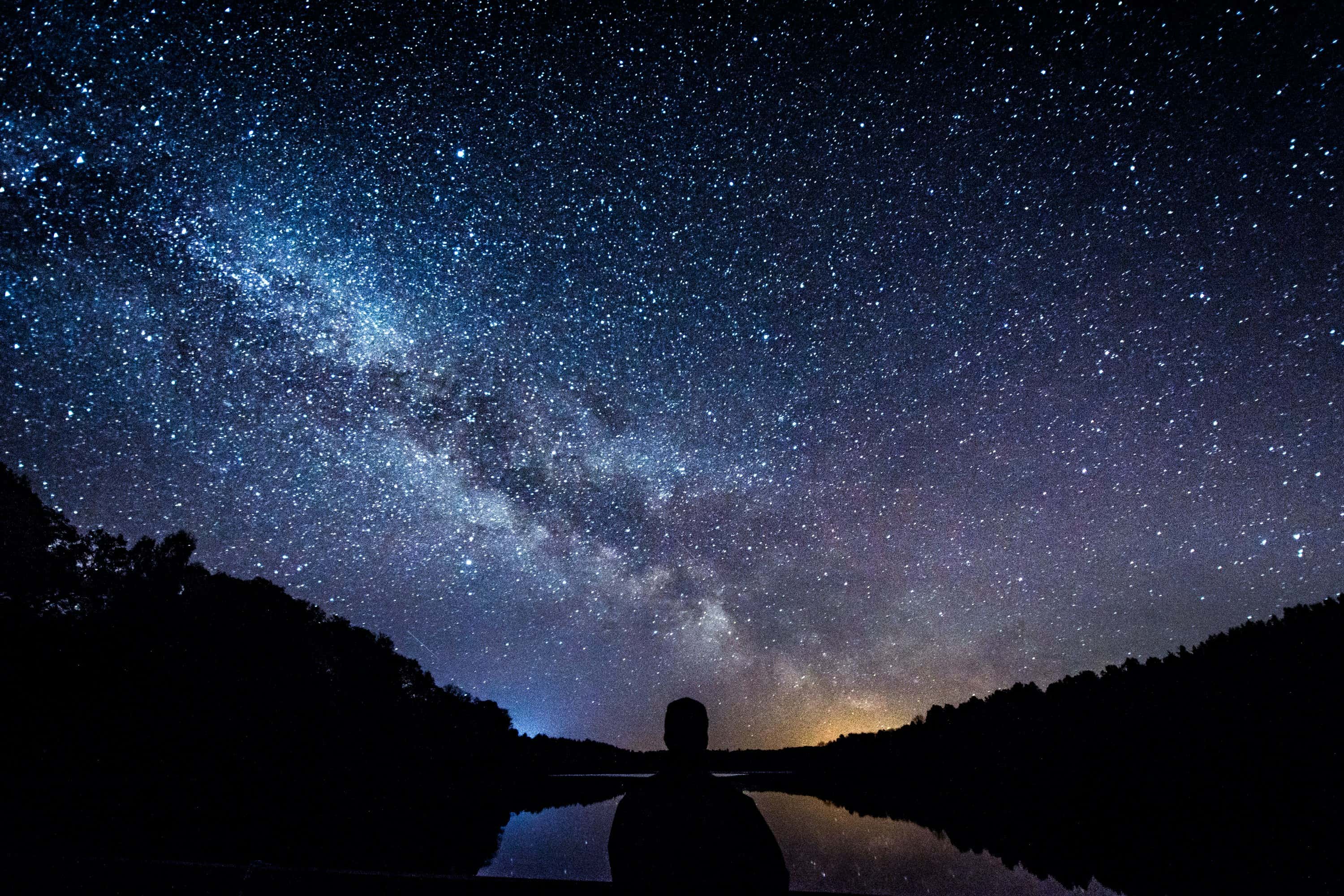
Person silhouetted against starry night sky above a calm lake surrounded by hills.

Science & Technology

Edited by Marco Daniel Machado

Dive into the dynamic world of science and technology, where curiosity has brought about extraordinary understandings of the universe and creativity has led to the breakthroughs and innovations that have transformed our world. Explore a wide range of topics, from the natural and physical sciences to cutting-edge technologies and the people who shaped them, each of which is accompanied by carefully curated resources meant to inform, engage, and inspire those eager to uncover the nature of reality.

Content on 1440 is curated and distilled by our team of human editors.
Read our use of AI for more details.

Human teleportation would destroy your original self and reconstruct your body elsewhere if done through quantum principles.

An 18-year-old's accidental discovery of the world's first synthetic dye was partly responsible for the beginnings of the pharmaceutical industry.

An open refrigerator or freezer cannot cool a room because its rear coils release all the thermal energy they extract from their interiors.

Scientists who ate radioactive food and drank harmful bacteria are among those who won a Nobel Prize after experimenting on themselves.

A Manhattan skyscraper doomed to collapse was saved by a secret structural reinforcement operation—Project SERENE—in 1978.

Snake venoms are repurposed proteins responsible for other bodily functions, such as digestion and blood clotting.

Airplanes do not fly in straight lines—they travel along the arcs of circles that slice through the planet's center.

AM radio signals travel farther than FM signals, but FM provides better audio quality thanks to a wider bandwidth and lower susceptibility to electrical interference.

You can hear your heartbeat within an anechoic chamber—a room whose surfaces are covered with specialized materials that prevent sound from reflecting.

Despite their name, millipedes have about 300 to 400 legs on average and gain additional legs as they age.

Tall clouds, dust, and smoke help create vibrant, colorful sunsets, but pollution near the ground can make them hard to see.

Changing magnetic fields can levitate some nonmagnetic objects and generate electricity.

Decommissioned oil rigs have been repurposed into artificial reefs that serve as nursery habitats for fish, corals, sponges, and other invertebrates decades after their installation.

AI-powered robot bees can recognize flowers and use Velcro on their bodies to collect and spread pollen.

Very few dead organisms ever become fossils because the process requires rapid burial before significant decay occurs.

Nearly all natural rubber comes from cloned trees in Southeast Asia, which makes the entire species vulnerable to collapse from a single disease.

Despite improving microphone technology, subtitle use has steadily increased, in part because sound mixing often quiets voices so that dramatic sounds stand out.

Only 9% of a dog's personality comes from its breed, and less than 25% is explained by its genetics.

Only one pixel is activated at a time on a CRT television, even when you watch an entire screen of video.

Violet is the rarest color in nature because it is the most energetically demanding visible light for pigments to reflect and for nanostructures to scatter.

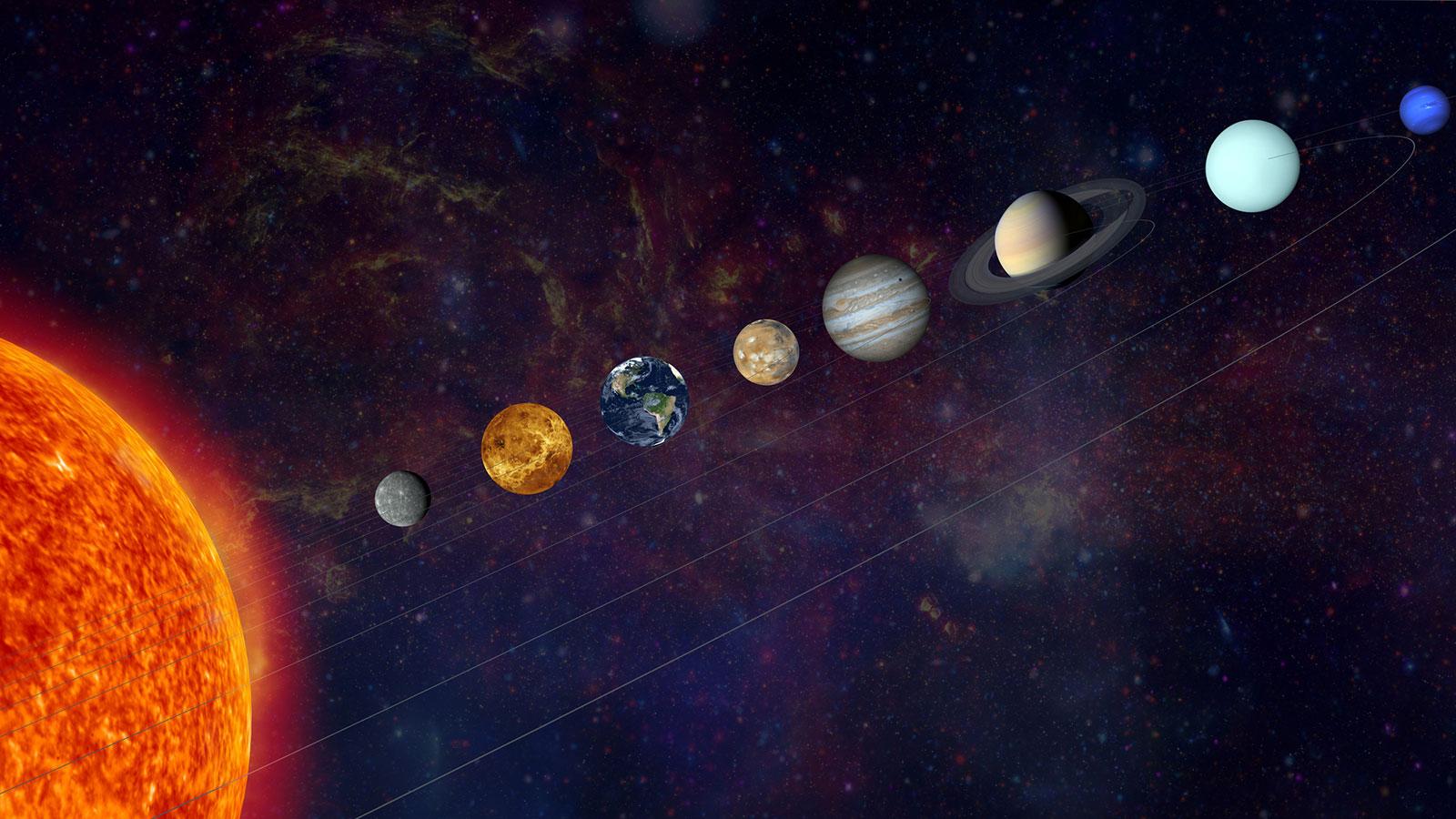
The 'Goldilocks zone' is the region around a star where liquid water can potentially exist, which scientists assume is necessary for life.

Magnetic fields can be visualized using ferrofluids—substances made of magnetic nanoparticles suspended in a carrier fluid.

Glass can theoretically be recycled indefinitely, without any loss in quality, strength, or clarity.

DNA acts as a flame retardant—it helps stop the spread of fires—and may be used to create fireproof fabrics.

Some bacteria speak a language unique to their species—chemical signals that enable them to coordinate for survival.

Most odor blockers do not destroy scent molecules—they instead use chemicals to surround and trap smelly molecules.

Metals spontaneously weld together in space when brought into direct contact, without exposing them to high temperatures.

Lead, arsenic, uranium, and other toxic elements were once used in pigments to produce vibrant colors.

Rainbows can turn into fuzzy white arcs called fogbows in conditions that cause the colored arcs to overlap and blur together.

The end of a gas nozzle has a small hole that helps cut off gas flow and prevent your tank from overflowing.